2026 Top Water Soluble Fish Fertilizer for Global Buyers?
As the agricultural landscape continues to evolve, the demand for efficient fertilizers grows. Among these, "Water Soluble Fish Fertilizer" stands out due to its unique benefits. It offers essential nutrients in a readily available form, making it ideal for modern farming practices.
Farmers globally seek sustainable options. Water Soluble Fish Fertilizer not only nourishes plants but also enhances soil health. Its rich organic composition can improve crop yields and support sustainable growth. However, finding the right product can be challenging. Quality varies significantly among suppliers.
Buyers must pay attention to the source and formulation of fertilizers. Many products claim to be the best, but not all deliver promising results. Researching suppliers and understanding their credentials is crucial. Ultimately, the goal is to make informed choices that support both agriculture and the environment.
Overview of Water Soluble Fish Fertilizers and Their Benefits
Water soluble fish fertilizers offer a unique solution for enhancing plant growth. These fertilizers, derived from fish byproducts, provide essential nutrients that aid in developing healthy, vigorous plants. The main components include nitrogen, phosphorus, and potassium, which are vital for robust growth. These nutrients are readily absorbed by plants, leading to quicker results.
Using water soluble fish fertilizers can improve soil quality. The organic matter in these fertilizers promotes microbial activity. Healthy soil fosters better water retention and nutrient availability. However, it’s essential to apply these fertilizers at the right rates. Over-application can lead to nutrient runoff, harming local ecosystems. Balance and moderation are key.
Farmers and gardeners increasingly recognize the benefits of fish fertilizers. They encourage natural growth and enhance crop yield. It's noteworthy that not all products are the same. Some may lack the expected nutrient content. Buyers must research and choose wisely. Engaging with community experiences can also provide valuable insights into effective usage and potential pitfalls.
Key Ingredients and Nutritional Profile of Top Water Soluble Fish Fertilizers
Water soluble fish fertilizers are gaining traction among global buyers, primarily due to their rich nutritional profiles and eco-friendly attributes. These fertilizers typically contain essential amino acids, vitamins, and minerals that promote robust plant growth. According to a recent report by the International Fertilizer Association, approximately 35% of fish fertilizers sold worldwide are water soluble, indicating a growing trend in sustainable agriculture.
The key ingredients often found in top water soluble fish fertilizers include fish hydrolysates, which are rich in natural growth hormones. These nutrients enhance soil health and improve plant resilience against pests and diseases. Amino acids, such as glycine and proline, are critical for various metabolic processes, boosting photosynthesis efficiency. Additionally, micro-nutrients like zinc and iron support chlorophyll formation, vital for plant vitality.
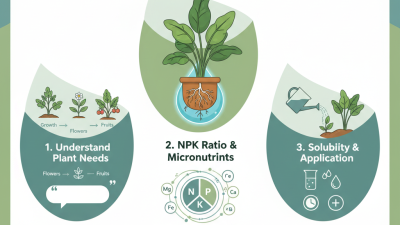
Tip: When selecting a fish fertilizer, consider the product's nutrient ratios. A balanced ratio can significantly impact growth rates.
Despite the benefits, challenges exist. Quality can vary widely among suppliers, and some products may not meet expected performance standards. Always check for third-party testing or certifications to ensure quality.
Tip: Keep an eye on the sourcing of the fish used; sustainable practices are increasingly important to consumers and the environment.
Market Trends and Demand for Water Soluble Fish Fertilizers in 2026
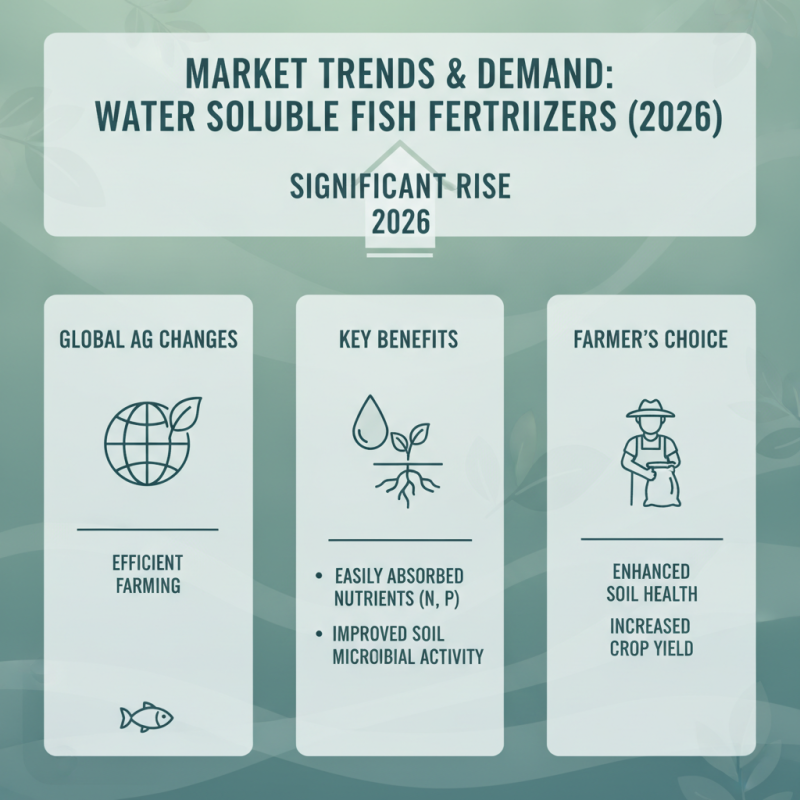
The demand for water-soluble fish fertilizers is expected to rise significantly by 2026. As the global agricultural landscape changes, farmers are seeking efficient ways to enhance soil health and crop yield. Water-soluble fish fertilizers provide essential nutrients, such as nitrogen and phosphorus, that are easily absorbed by plants. This method of fertilization can improve soil structure and foster beneficial microbial activity.
Market trends indicate a growing preference for organic and sustainable products. Consumers are becoming more environmentally conscious. Farmers are responding to this shift by adopting eco-friendly fertilizers. Water-soluble fish fertilizers fit this ethos well due to their natural origins. They not only nourish plants but also reduce the long-term environmental impact.
However, some challenges exist. The production of water-soluble fish fertilizers can be inconsistent. Quality control remains a concern for many suppliers. Additionally, education on proper usage is vital. Farmers may not fully understand the benefits or application methods. Addressing these gaps in knowledge is essential for maximizing the potential of these fertilizers in global markets.
Top Manufacturers and Brands of Water Soluble Fish Fertilizers Worldwide
Water soluble fish fertilizers are gaining attention from global buyers. These products provide essential nutrients to plants. They enhance growth and improve soil health. The market showcases various manufacturers and brands specializing in these fertilizers. Different formulations cater to diverse agricultural needs.
Top manufacturers focus on quality and performance. They test their products for effectiveness. These companies prioritize sustainable sourcing of fish materials. This ensures minimal environmental impact. However, not all brands maintain these standards. Some may compromise quality for costs. Buyers should research and verify the reputation of manufacturers.
Trustworthy brands typically provide transparent information about their products. They share details about sourcing and manufacturing processes. It’s crucial for buyers to consider these factors. While options abound, discerning the right choice can be challenging. Each brand offers unique strengths. Observing local preferences can guide buyers in their selections.
2026 Top Water Soluble Fish Fertilizer Usage by Region
Application Techniques and Best Practices for Using Fish Fertilizers
Using fish fertilizers effectively requires understanding their unique properties. These fertilizers provide essential nutrients such as nitrogen, phosphorus, and potassium. Their water-soluble nature aids rapid absorption in plants. Correct application techniques can lead to better crop yields.
One effective method is dilution. Mix the fish fertilizer with water before application. A common ratio is one part fertilizer to ten parts water. This ensures that plants receive nutrients without the risk of over-fertilization. Spray the solution directly onto the leaves in the early morning or late afternoon. This minimizes evaporation and maximizes nutrient uptake.
Timing also plays a crucial role. Apply fish fertilizer when plants are actively growing. Avoid application before heavy rain, as it can lead to nutrient runoff. Remember, soil testing can provide insights into nutrient needs. Regularly reviewing results helps refine application strategies. Balancing fertilizer use and crop health is essential for achieving the best outcomes.