Top 10 Benefits of Calcium Nitrate Boron Fertilizer for Your Plants
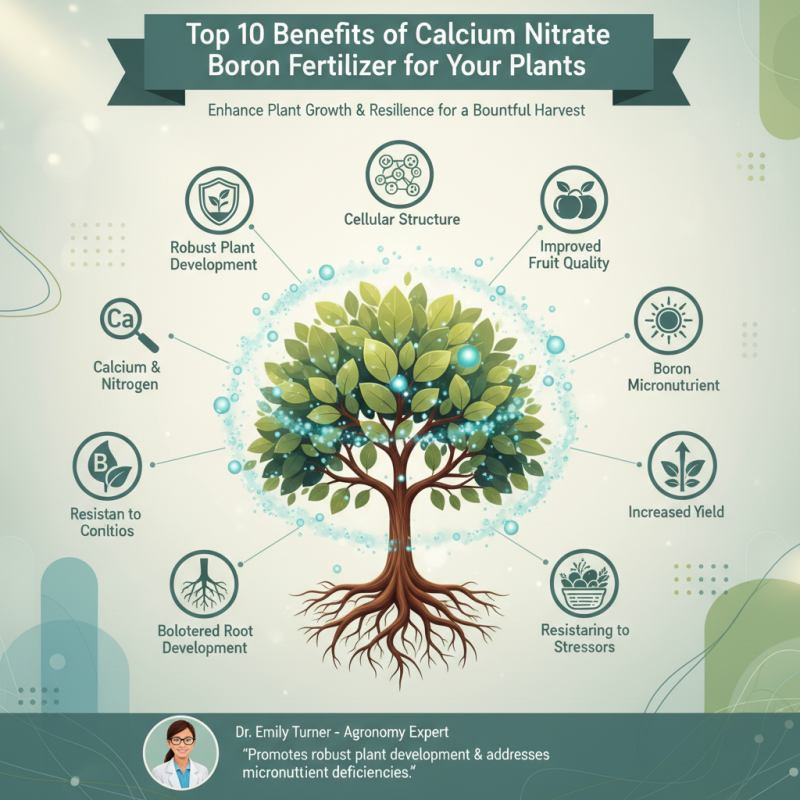
In the world of modern agriculture, understanding the specific needs of plants is crucial for maximizing yield and sustaining soil health. Calcium Nitrate Boron Fertilizer has emerged as a vital solution for farmers and gardeners looking to enhance plant growth and resilience. Dr. Emily Turner, an agronomy expert with over a decade of experience in plant nutrition, emphasizes, “Integrating Calcium Nitrate Boron Fertilizer into your feeding regimen not only promotes robust plant development but also addresses micronutrient deficiencies that can limit crop potential.” This powerful combination of nutrients plays a significant role in supporting cellular structure, improving fruit quality, and ensuring optimal growth conditions.
As we delve into the top ten benefits of Calcium Nitrate Boron Fertilizer, it becomes evident that its utility extends beyond mere nutrient supply. This fertilizer not only aids in calcium and nitrogen availability but also introduces boron, an essential micronutrient that enhances the overall health of various crops. From bolstering root development to increasing resistance to environmental stressors, the advantages of incorporating Calcium Nitrate Boron Fertilizer are compelling. Whether you are cultivating fruits, vegetables, or ornamental plants, understanding the transformative impact of this fertilizer can guide you toward better agricultural practices and flourishing gardens.
Understanding Calcium Nitrate Boron Fertilizer and Its Components
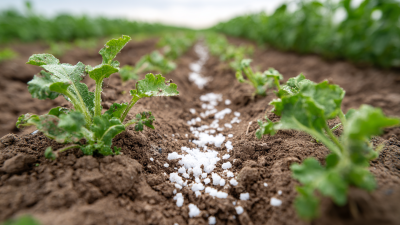
Calcium nitrate boron fertilizer is a unique blend that combines the benefits of calcium, nitrate nitrogen, and boron, which are essential for the growth and vitality of various plants, including popular holiday blooms like poinsettias. Calcium is crucial for cell wall structure and stability, while nitrate nitrogen is a readily available form of nitrogen that promotes healthy leaf and stem growth. Boron plays a vital role in reproductive development and the overall metabolic processes of plants, helping to improve fruit and flower quality.
With the approaching poinsettia season, understanding the specific nutritional needs of these plants is essential for optimal growth. Studies suggest that calcium nitrate boron fertilizers can significantly enhance the quality and longevity of poinsettias by addressing their nutritional deficiencies. Research indicates that applying nutrient-rich fertilizers not only improves plant health but can also lead to higher marketability due to enhanced color and bloom size. As such, incorporating calcium nitrate boron fertilizer into poinsettia care routines can ensure vibrant, lush plants that thrive throughout the holiday season.
Enhancing Plant Growth Through Calcium and Nitrogen Supply
Calcium nitrate boron fertilizer serves as an exceptional tool for enhancing plant growth through its dual supply of calcium and nitrogen. Calcium plays a crucial role in the structural integrity of plant cells, promoting strong cell walls and enabling efficient nutrient uptake. This foundational support is vital for plant stability and health, especially during periods of rapid growth. Meanwhile, nitrogen is essential for chlorophyll production, fostering vibrant green foliage and improving photosynthesis efficiency. Together, these elements boost overall plant vigor and resilience against environmental stresses.
For best results, consider applying calcium nitrate boron fertilizer during the early stages of plant growth. This not only ensures that young plants develop robust structures but also prepares them for nutrient absorption as they mature. In addition, maintaining optimal soil moisture levels can amplify the benefits of the fertilizer. When the soil retains adequate moisture, it facilitates nutrient availability, allowing plants to effectively utilize the supplied calcium and nitrogen.
Another tip is to monitor your plants closely after fertilization. Look for signs of nutrient deficiency or excess, as balance is crucial. Adjust your fertilization schedule based on your plants' response, ensuring they receive the right amount without overwhelming them. Implementing these strategies will help you maximize the advantages of calcium nitrate boron fertilizer, leading to thriving, healthy plants.
The Role of Boron in Plant Development and Health
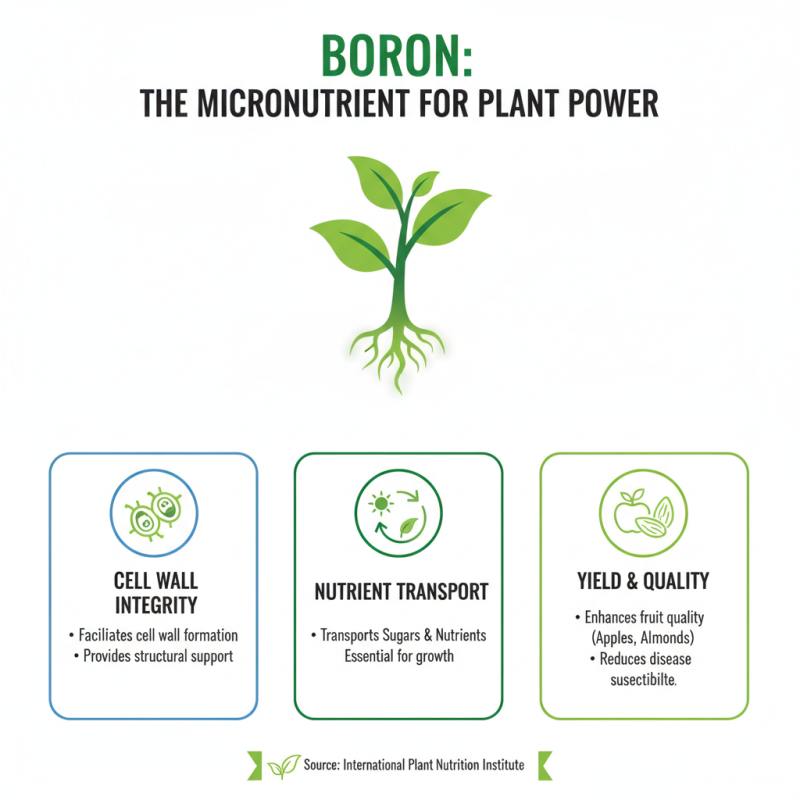
Boron is a micronutrient that plays a critical role in plant development and health, influencing various physiological processes essential for growth. Research indicates that boron facilitates the formation of cell walls and is pivotal in transporting carbohydrates and other nutrients within the plant. According to a report from the International Plant Nutrition Institute, adequate boron levels can enhance fruit quality in crops like apples and almonds, leading to improved yields and reduced susceptibility to diseases.
Incorporating calcium nitrate boron fertilizer can address boron deficiencies, which are prevalent in many soils, especially in arid and semi-arid regions. Studies have shown that when plants receive optimal boron levels, their flowering and seed set improve significantly. This micronutrient also aids in the synthesis of nucleic acids and proteins, which are crucial for cell division and overall plant vitality.
Tip: To ensure your plants receive sufficient boron, consider performing a soil test before planting. This will help you determine the existing nutrient levels and allow for the precise application of calcium nitrate boron fertilizers. Additionally, applying this fertilizer during periods of active growth can maximize its benefits, promoting healthier and more productive plants. Regular monitoring can help maintain balanced nutrition, leading to more robust crop yields.
Improving Nutrient Uptake and Soil Quality with Calcium Nitrate Boron
Calcium Nitrate Boron fertilizer is an excellent addition to your gardening routine, particularly when it comes to improving nutrient uptake and enhancing soil quality. This fertilizer not only provides essential calcium and boron but also facilitates better absorption of nutrients, which is crucial for healthy plant growth. Recent studies have shown that various nutrient management strategies, including co-application of essential elements, can significantly boost productivity and nutritional quality of crops. For instance, combining nitrogen and phosphorus has improved nutrient availability for plants grown in challenging soil conditions.
**Tips:** To maximize the benefits of Calcium Nitrate Boron fertilizer, consider applying it during critical growth stages of your plants, ensuring optimal uptake. Foliar applications can further enhance nutrient absorption, especially in crops like kale and peanuts, which have shown improved yields with supplemental treatments. Additionally, monitoring soil conditions and adjusting nutrient concentrations can significantly impact plant health and productivity.
Incorporating this fertilizer can not only improve the performance of your plants but also support soil health over time. By maintaining a well-balanced nutrient regimen, you create a thriving environment for your plants to flourish. Regularly testing soil composition and adjusting your fertilizer strategy accordingly will yield the best results for your garden's productivity.
Top 10 Benefits of Calcium Nitrate Boron Fertilizer for Your Plants
This chart illustrates the top benefits of using Calcium Nitrate Boron fertilizer, highlighting how it improves nutrient uptake and enhances soil quality.
Applications and Best Practices for Using Calcium Nitrate Boron Fertilizer
Calcium nitrate boron fertilizer is a powerful tool for enhancing plant health and productivity. It provides essential nutrients, particularly calcium and boron, which are crucial for plant growth and development. Applying this fertilizer can significantly improve root stability, enhance cell wall structure, and promote flowering and fruit set. To achieve the best results, understanding the application rates and timing according to specific crop needs is vital.
In Western Oregon and Washington, nutrient management practices for pastures highlight the importance of correctly balancing calcium and boron levels to optimize forage production for livestock. The regular assessment of soil health can inform appropriate fertilizer application, ensuring that pastures remain productive throughout the grazing season. For field crops in Michigan, it’s equally important to adjust nutrient applications according to crop stages, which can lead to improved yields and overall plant health.
Tips for using calcium nitrate boron fertilizer include applying it during early growth stages to maximize root absorption. Additionally, alternating this fertilizer with organic options can help maintain soil health. Monitoring plant response after application will guide future fertilization practices, ensuring that your plants receive the necessary nutrients for robust growth.
Top 10 Benefits of Calcium Nitrate Boron Fertilizer for Your Plants
| Benefit |
Description |
Application |
| Improves Calcium Uptake |
Enhances the ability of plants to absorb calcium, vital for cell wall structure. |
Use during active growth phases. |
| Enhances Nutrient Absorption |
Increases the uptake of other essential nutrients, leading to better overall plant health. |
Apply as a foliar spray or soil drench. |
| Prevents Blossom End Rot |
Reduces the occurrence of blossom end rot in tomatoes and peppers, a common calcium deficiency disorder. |
Regular applications during the flowering stage. |
| Boosts Plant Growth |
Stimulates rapid growth due to enhanced nutrient availability. |
Use in combination with regular fertilization plans. |
| Increases Yield |
Higher nutrient levels lead to increased crop yields. |
Apply before and during the growing season. |
| Improves Fruit Quality |
Enhances fruit size, flavor, and shelf life. |
Use during fruit development stages. |
| Strengthens Plant Resilience |
Improves resistance to diseases and environmental stress. |
Regular use throughout the growing season. |
| Enhances Soil Structure |
Improves soil aeration and drainage, promoting healthy root development. |
Incorporate into soil before planting. |
| Economical Fertilization |
Cost-effective source of essential nutrients. |
Use strategically to optimize budget. |
| Easy to Apply |
Can be applied as a granular or liquid fertilizer. |
Follow manufacturer’s application guidelines. |