Calcium Nitrate Fertilizer plays a crucial role in modern agriculture. Many farmers rely on it to enhance crop growth. This fertilizer is rich in calcium and nitrate, vital nutrients for plants. It promotes healthy root development and boosts nutrient uptake. By using Calcium Nitrate, farmers can improve crop yields significantly.
Farmers often face challenges such as poor soil quality and nutrient deficiencies. This fertilizer addresses these issues effectively. It dissolves quickly in water, making it easily accessible to plants. Moreover, it helps prevent blossom end rot in tomatoes and other calcium-deficient crops. Farmers who adopt this fertilizer can see noticeable improvements in their harvest.
However, it is essential to apply Calcium Nitrate Fertilizer correctly. Over-application can lead to soil acidity. Farmers need to monitor nutrient levels carefully. This proactive approach ensures they maximize the benefits while avoiding potential drawbacks. Understanding the proper use of Calcium Nitrate is key to its effectiveness in agriculture.

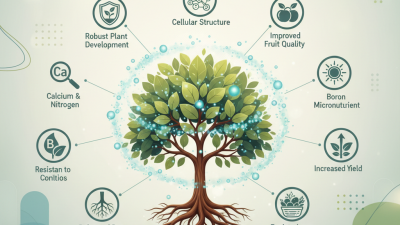
Calcium nitrate fertilizer is a powerful tool for farmers aiming to enhance plant growth. It provides vital nutrients, particularly calcium and nitrogen. These elements are essential for plant health. Calcium strengthens plant cell walls, reducing the risk of diseases. Nitrogen promotes vibrant green foliage and robust growth.
Using calcium nitrate can lead to better yields. Plants treated with this fertilizer often produce more flowers and fruits. It also improves nutrient uptake, making it easier for plants to access essential minerals. This fertilizer dissolves easily in water, making it suitable for both soil and foliar applications.
Tips: When applying calcium nitrate, ensure it’s done during the early growth stage for maximum benefit. Over application can lead to nutrient imbalances in the soil. Regular soil testing helps in understanding specific nutrient needs.
Farmers should consider the local soil conditions. Calcium and nitrogen levels vary across regions. Adjustments may be necessary to achieve desired plant growth. Understanding these factors can lead to better crop management and healthier plants.

Calcium nitrate fertilizer is vital for modern agriculture. One of its key benefits is improved nutrient absorption. This fertilization method enhances both calcium and nitrogen levels in the soil, which is essential for plant health. Calcium strengthens cell walls, improving plant structure and resilience. Studies indicate that using calcium nitrate can enhance nutrient uptake efficiency by up to 30%, allowing plants to access vital minerals more effectively.
Tips: Monitor soil pH regularly. Optimal absorption occurs within a pH range of 6 to 7.5.
The immediate availability of nutrients in calcium nitrate contributes to faster growth rates. This fertilizer dissolves quickly in water, ensuring that plants receive nutrients when they need them most. Reports suggest that crops treated with calcium nitrate show a remarkable increase in yields, sometimes exceeding 20%. Farmers who aim for higher outputs should consider integrating this fertilizer into their routine.
Tips: Apply calcium nitrate during key growth stages for maximum effectiveness. Timing can make a significant difference in yield.
However, there are challenges. Over-reliance on any single fertilizer can lead to soil nutrient imbalance. Farmers must combine calcium nitrate with other fertilizers judiciously. Continuous assessment of soil health is crucial to avoid long-term consequences. Balancing nutrient inputs can lead to sustainable farming practices. Regular soil testing can help manage these complexities effectively.
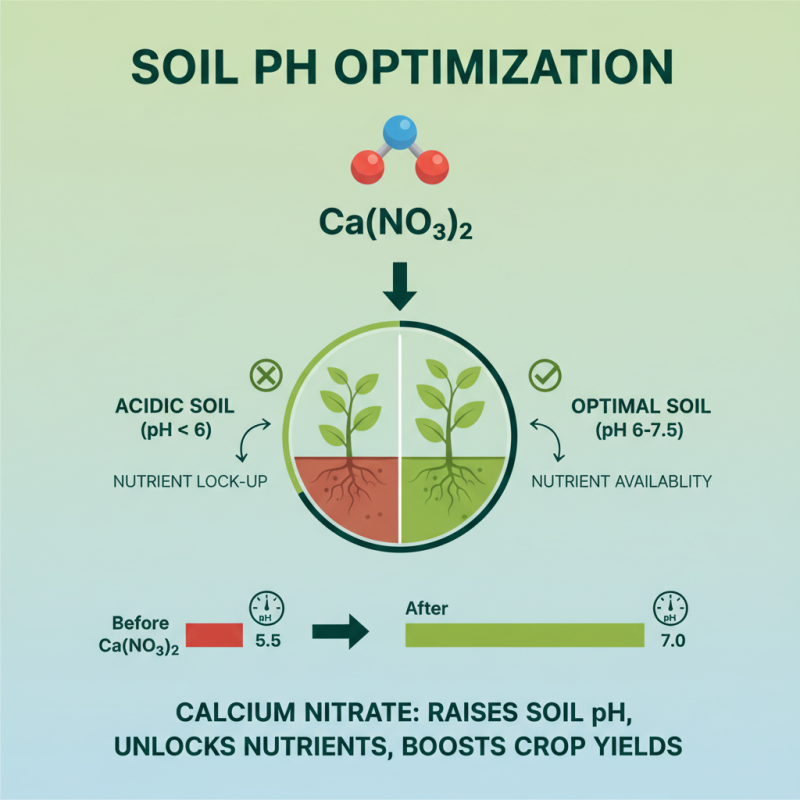
Calcium nitrate is pivotal in managing soil pH levels, a key factor in crop productivity. Optimal soil pH ranges from 6 to 7.5 for most crops. Yet, many soils, especially in agricultural areas, become more acidic over time. This acidity can hinder nutrient availability, affecting crop yields. Studies have shown that using calcium nitrate can effectively raise soil pH, making essential nutrients more accessible to plants.
When applied, calcium nitrate releases nitrogen and calcium, promoting a balanced nutrient profile. The calcium helps neutralize acidity, directly impacting soil pH. Research indicates that using calcium nitrate can increase soil pH by up to 0.4 units. This adjustment can lead to significant yield improvements, with reports suggesting a potential increase in crop yield by over 15% in acid-soil conditions. However, the dosage must be managed carefully. Excessive application can lead to nutrient imbalances or soil salinity issues.
Farmers need to monitor their soil's specific conditions. Regular soil testing is crucial for understanding pH levels and nutrient availability. Calcium nitrate is a beneficial tool, but it is not a one-size-fits-all solution. Understanding local soil requirements is essential for effective management. This nuanced approach can yield better results, making it clear that a tailored fertilization strategy is necessary for sustainable agriculture.
Calcium nitrate has gained attention among farmers for its ability to enhance crop yield and quality. This fertilizer supplies both calcium and nitrogen, two essential nutrients for plant growth. Calcium strengthens cell walls, improving overall plant structure. Healthy plants tend to resist diseases better, which leads to higher survival rates.
In addition to structural benefits, calcium nitrate promotes better nutrient uptake. When applied, it helps roots absorb other essential minerals more effectively. This synergy can significantly boost crop size and quality. Farmers have reported more uniform fruit sizes and better flavors. However, while the benefits are clear, over-application can lead to soil degradation and nutrient runoff. It’s crucial to find the right balance.
Farmers must also consider the timing of application. Too early or too late can diminish the potential benefits. Conducting soil tests before application aids in making informed decisions. This approach fosters sustainability while maximizing returns. It’s an ongoing learning process, requiring adjustments based on crop type and environmental conditions.
| Benefit | Description | Impact on Crops |
|---|---|---|
| Enhanced Nutrient Uptake | Improves the absorption of essential nutrients by plants. | Increased overall plant health and growth. |
| Improved Crop Quality | Enhances produce flavor, color, and shelf life. | Higher market value for farmers. |
| Accelerated Growth | Stimulates faster plant growth compared to other fertilizers. | Shorter crop cycles and increased yield. |
| pH Balance | Helps maintain optimal soil pH levels. | Better nutrient availability in the soil. |
| Nitrogen Availability | Provides readily available nitrogen for plant use. | Enhanced vegetative growth. |
| Disease Resistance | Strengthens plants against diseases. | Reduction in crop losses. |
| Calcium Supply | Delivers essential calcium for cell wall strength. | Improved structural integrity of crops. |
| Environmental Benefits | Reduces soil erosion and enhances soil fertility. | Sustainable farming practices. |
| Versatility | Suitable for a wide range of crops and soils. | Flexibility in application for farmers. |
| Cost-Effectiveness | High efficiency in nutrient delivery. | Better return on investment for farmers. |
Calcium nitrate fertilizer offers several advantages for agricultural practices. However, its usage raises important environmental considerations. Farmers must ponder the effects of nitrogen leaching into water systems. Such leaching can lead to algal blooms, which disrupt aquatic ecosystems. A thoughtful approach is essential for maintaining water quality.
The application of calcium nitrate needs to align with sustainable farming principles. Reducing over-application minimizes potential harm to soil health and water resources. Farmers should constantly monitor soil nutrient levels. This will help avoid excessive fertilizer usage and enhance crop growth. Using precise application techniques can ensure that plants absorb the nutrients effectively.
Balancing productivity with environmental protection is vital. Integrating calcium nitrate into a broader soil management strategy could yield better results. Continuous education on the environmental impacts can lead to more responsible farming practices. Farmers are urged to reflect on their practices and make necessary adjustments for sustainability.