Top Benefits of Using Potassium Nitrate Granule for Agriculture?
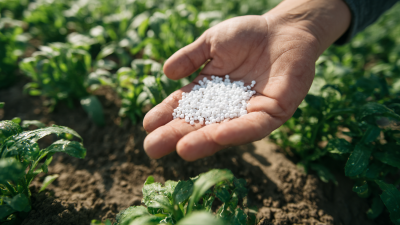
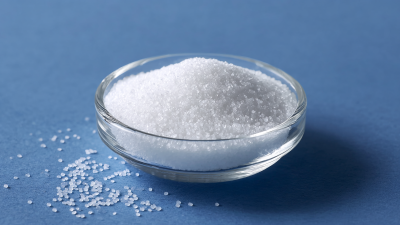
Potassium Nitrate Granule is becoming increasingly popular in agriculture. This compound is crucial for crop growth and soil health. Farmers seek effective ways to enhance yield and quality. Potassium Nitrate Granule provides essential nutrients for plants. It contains both potassium and nitrogen, key elements for healthy plant development.
Many agricultural experts advocate for this granule. Its solubility makes it easy to apply. This means farmers can quickly address nutrient deficiencies. Potassium supports root development and enhances drought resistance. Nitrogen promotes leaf growth, increasing photosynthesis. The balance of these nutrients leads to better crop performance.
However, proper usage is critical. Over-application can lead to soil imbalances. Farmers must test soil regularly to avoid this. Understanding the right dosage is essential for maximizing benefits. Thus, while Potassium Nitrate Granule offers significant advantages, it requires careful consideration.
Benefits of Potassium Nitrate Granule in Soil Fertility Enhancement
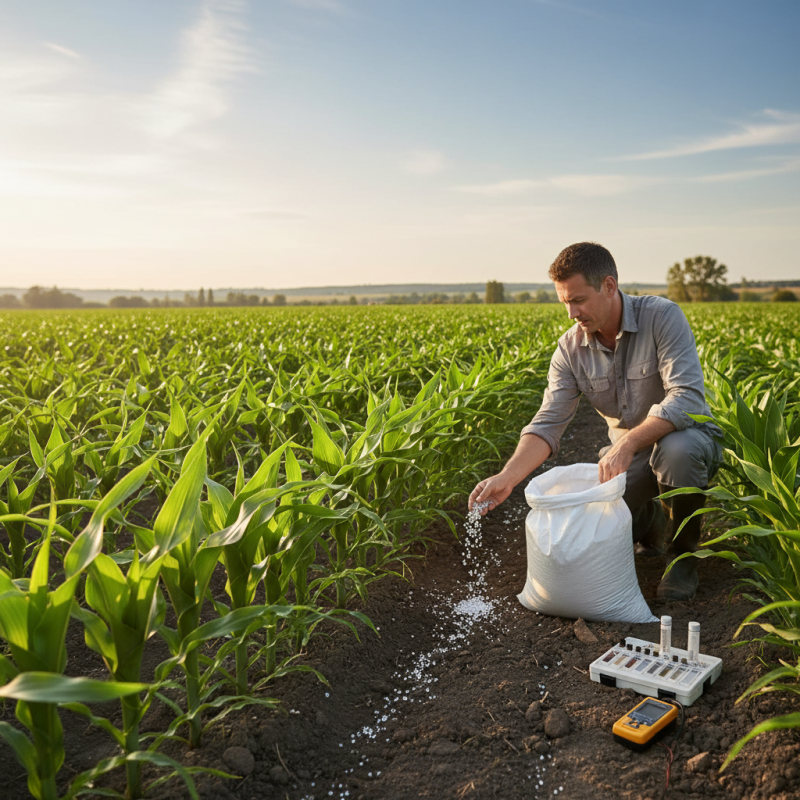
Potassium nitrate granule plays a vital role in enhancing soil fertility. This compound is rich in both potassium and nitrogen, two essential nutrients for plant growth. According to a report by the Food and Agriculture Organization (FAO), potassium is crucial for root development and overall plant health. Farmers using potassium nitrate often notice improved crop yields. Some studies highlight increases of up to 25% in certain crops, such as tomatoes and potatoes.
The granule's physical properties also contribute significantly to soil quality. It dissolves quickly, making nutrients readily available to plants. This rapid action can lead to immediate benefits in plant growth. Research shows that the use of potassium nitrate can improve the soil's moisture retention. However, excessive use can lead to nutrient imbalances. In some cases, soil can become overly acidic, requiring careful management.
Farmers need to tailor their applications based on soil tests. A study by the American Society of Agronomy noted that nutrient deficiencies vary significantly across regions. This highlights the need for an informed approach. Relying solely on potassium nitrate may not always yield the best outcomes. Combining it with other fertilizers can give a more balanced nutrition to crops. Therefore, an analysis of soil conditions is essential for optimal results.
Impact of Potassium Nitrate on Plant Growth and Development
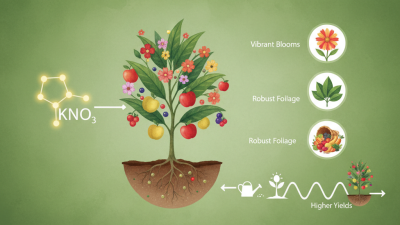
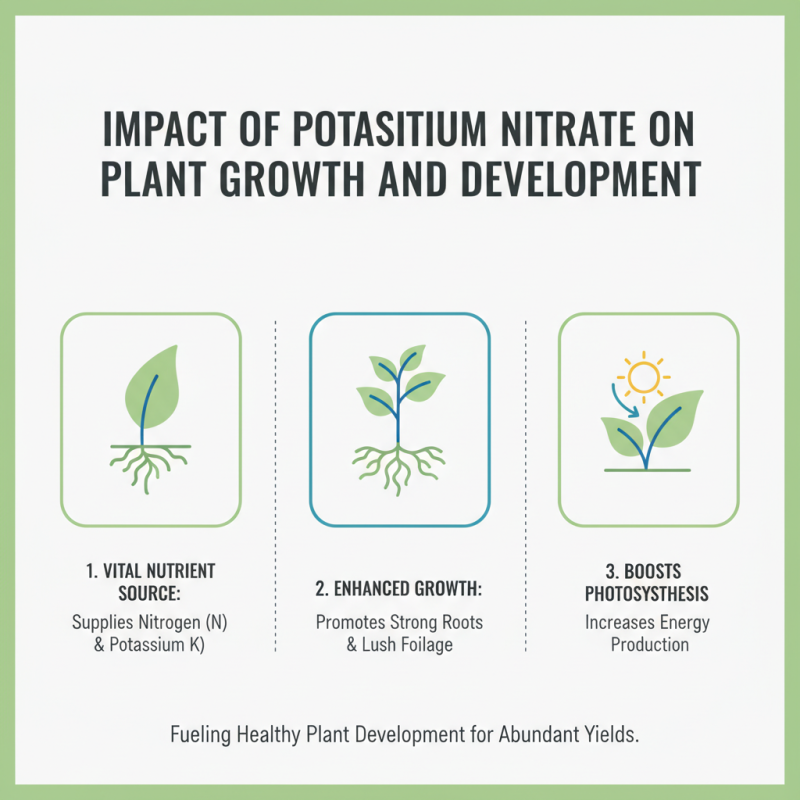
Potassium nitrate is a vital nutrient in agriculture. It plays a significant role in plant growth and development. Plants require nitrogen and potassium for healthy processes. Potassium nitrate supplies both, promoting strong root systems and vibrant foliage. This compound influences photosynthesis, enhancing energy production in plants.
The impact of potassium nitrate extends beyond basic growth. It improves flowering and fruiting in various crops. With adequate potassium levels, plants exhibit better resistance to stress, such as drought or disease. Research shows that potassium enhances the overall quality of produce, making it more appealing and nutritious.
However, overuse can lead to issues in soil health. High concentrations may cause nutrient imbalances. Farmers must carefully monitor application rates. It’s crucial to balance potassium nitrate use with other nutrients to avoid detrimental effects. Observing plant responses can guide adjustments, ensuring optimal growth without compromising soil integrity.
Role of Potassium Nitrate in Nutrient Uptake Efficiency
Potassium nitrate is essential in agriculture for improving nutrient uptake efficiency. Research indicates that plants utilize potassium nitrate effectively, enhancing their growth. A study from the American Society of Agronomy revealed that the use of potassium nitrate can increase the nitrogen uptake by up to 20%. This boost is crucial, especially during critical growth phases.
When potassium nitrate is applied, it helps maintain optimal osmotic pressure in plants. This stability supports higher nutrient absorption and water use efficiency. According to the International Fertilizer Association, crops treated with potassium nitrate show a significant increase in yield, sometimes by as much as 30%. This data highlights the importance of potassium in overall plant health.
However, farmers must consider soil conditions and crop types when applying potassium nitrate. Not using it correctly can lead to nutrient imbalances. Soil testing is vital for determining the right dosage. A recent report noted that excessive use can cause runoff, leading to environmental concerns. This begs the question: are we balancing efficiency and sustainability in our agricultural practices?
Environmental Considerations of Using Potassium Nitrate Granules
When considering potassium nitrate granules in agriculture, environmental aspects come into play. These granules provide essential nutrients. However, their impact on ecosystems can be significant. Overuse might lead to soil salinity. This situation harms beneficial microorganisms, ultimately affecting crop health.
Water sources may also face risks. Runoff can carry excess nitrates into nearby rivers and lakes. This can lead to algal blooms. Algal blooms deplete oxygen levels in water. Such changes threaten aquatic ecosystems and can disrupt local fisheries. Farmers must be mindful of application rates and timing to minimize runoff.
Another concern is the potential for groundwater contamination. High nitrate levels in drinking water sources pose health risks to humans. Striking a balance in fertilizer use is crucial. Sustainable practices like crop rotation and cover cropping can help mitigate these issues. Educating farmers about proper usage fosters a healthier environment. This ensures that both agriculture and ecosystems thrive together.
Top Benefits of Using Potassium Nitrate Granule for Agriculture
| Benefit |
Description |
Environmental Considerations |
| Improved Crop Yield |
Potassium nitrate enhances overall plant growth and productivity. |
Sustainable use can lead to minimal environmental impact. |
| Nutrient Efficiency |
Provides both potassium and nitrogen, making it efficient for plant uptake. |
Promotes balanced nutrient supply, reducing fertilizer runoff. |
| Soil Health |
Helps maintain proper pH levels and soil structure. |
Can lead to improved soil microbial activity. |
| Improved Plant Resistance |
Increases resistance to diseases and stress conditions. |
Fewer chemical controls may be needed, promoting biodiversity. |
| Versatility |
Applicable for various crops and growing conditions. |
Reduces the need for multiple fertilizers, simplifying application. |
Comparative Analysis of Potassium Nitrate vs. Other Fertilizers
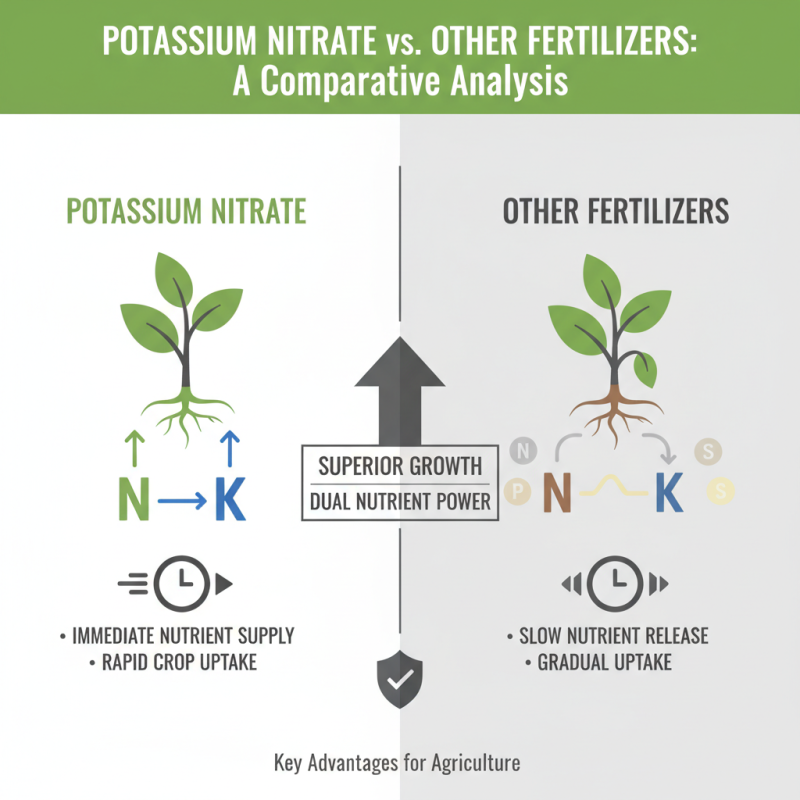
Potassium nitrate granule has several advantages for agricultural use. When we compare it to other fertilizers, its unique characteristics stand out. It provides an immediate source of nitrogen and potassium, which are crucial for plant growth. This dual nutrient supply helps crops flourish, particularly during critical growth periods. In contrast, many traditional fertilizers release nutrients more slowly, making potassium nitrate a preferred option for rapid crop uptake.
Using potassium nitrate can enhance the quality and yield of food products. Unlike some fertilizers, it promotes better fruit development and stronger plant structures. Various field studies suggest it may lead to improved resistance against pests and diseases. However, its application must be managed carefully. Overuse can lead to nutrient runoff and environmental concerns.
**Tips for Use**: Monitor soil nutrient levels before applying potassium nitrate. Ensure the timing coincides with crop needs for maximum effectiveness. Always consider local soil conditions, as this can significantly impact results. Effective use not only benefits the plants but also promotes sustainable agricultural practices.