Top 10 Benefits of Water Soluble Fish Fertilizer for Your Garden?
Water Soluble Fish Fertilizer has gained much attention in gardening circles. This unique fertilizer provides a range of benefits that can significantly enhance plant growth. Many gardeners are curious about its effectiveness and usability.
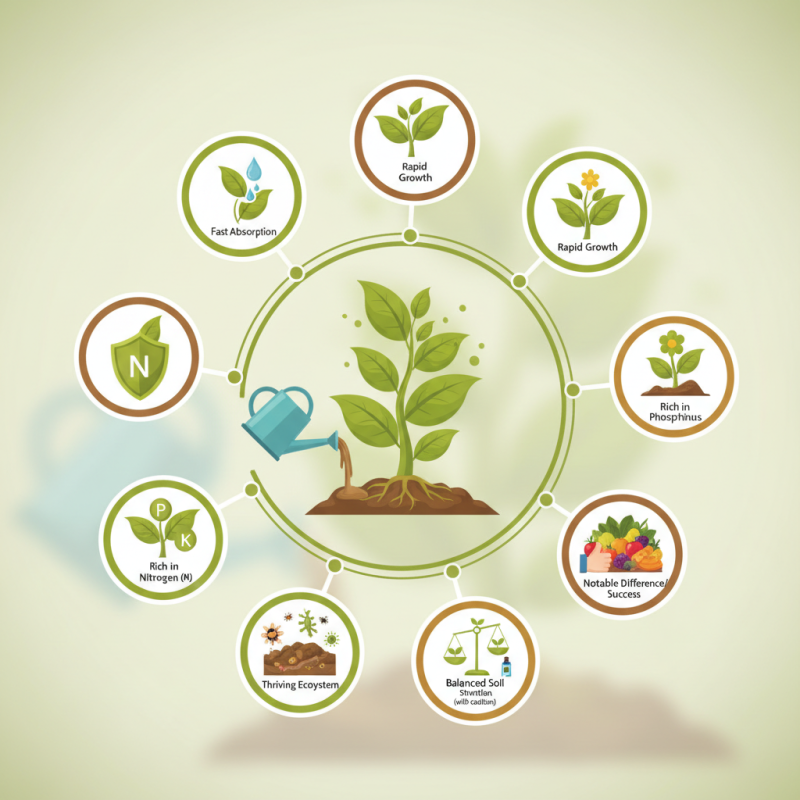
One key benefit is its quick absorption by plants. Unlike traditional fertilizers, Water Soluble Fish Fertilizer allows nutrients to be readily available. This encourages faster growth and healthier plants. The nutrients found in fish fertilizer, such as nitrogen, phosphorus, and potassium, are essential for robust plant development.
Additionally, this fertilizer improves soil structure. It enriches the soil and fosters a thriving ecosystem. However, overuse can lead to nutrient imbalances. It's crucial to apply it correctly. Remember to monitor your garden's needs. The thoughtful application of Water Soluble Fish Fertilizer can make a notable difference in your gardening success.
Understanding Water Soluble Fish Fertilizer and Its Composition
Water soluble fish fertilizer is an organic solution derived from fish by-products. This powerful blend is rich in nutrients, making it an ideal choice for gardeners. The composition of this fertilizer includes nitrogen, phosphorus, and potassium, which promote healthy plant growth. Most notably, its amino acids support root development and enhance nutrient uptake. Studies show that water-soluble solutions are absorbed faster than granular ones, making them effective for quick nutrient delivery.
Tips: Always dilute fish fertilizer according to package instructions. Over-application can lead to nutrient burn.
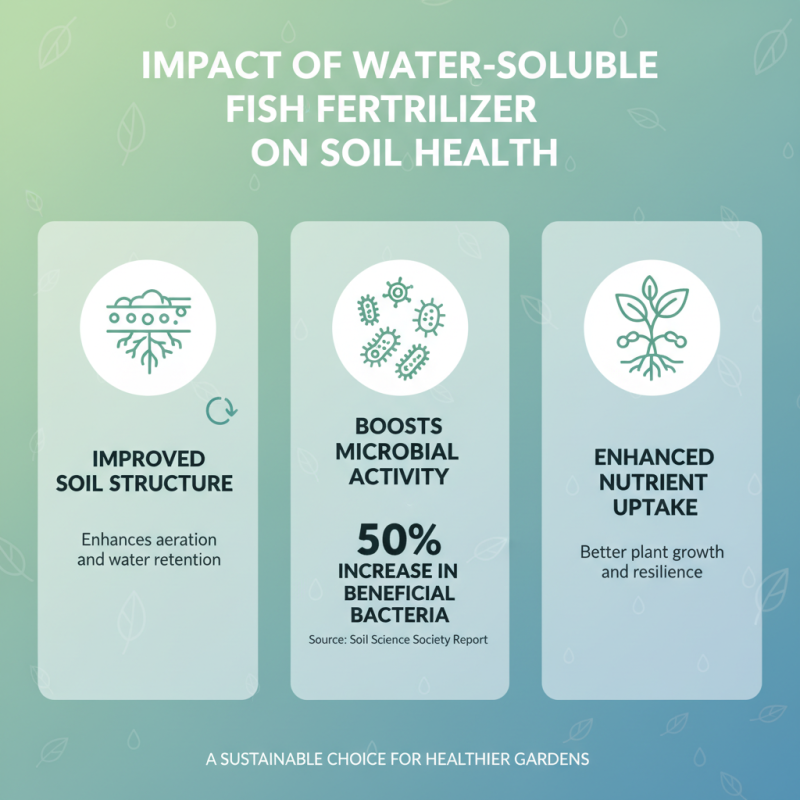
Fish fertilizer also contains beneficial microorganisms that improve soil health. Research indicates that microbial activity in soil fosters better nutrient absorption. Healthy soil can lead to increased yields. However, it's essential to monitor pH levels, as fish fertilizers can sometimes cause acidity in the soil.
Tips: Test your soil regularly to maintain optimal pH levels. Balance is key in organic gardening.
Top 10 Benefits of Water Soluble Fish Fertilizer for Your Garden
This chart illustrates the top 10 benefits of using water soluble fish fertilizer in gardening. Each bar represents the percentage of gardeners reporting the effectiveness of fish fertilizer in promoting plant growth, soil health, and other crucial aspects for a thriving garden.
Key Nutrients Found in Water Soluble Fish Fertilizer
Water soluble fish fertilizer is gaining popularity among gardeners, thanks to its rich nutrient profile. This organic fertilizer contains essential elements like nitrogen, phosphorus, and potassium. These nutrients promote healthy plant growth and improve soil health. A recent study shows that gardens using fish fertilizer have a 20% higher yield compared to those that don't.
Nitrogen is crucial for leaf development. Plants require it for photosynthesis and overall vigor. Phosphorus aids root growth, flowering, and seed development. Potassium enhances plants' resilience to diseases and improves fruit quality. Reports indicate that water soluble fish fertilizer increases nutrient absorption by 30% in plants, leading to stronger and healthier growth.
Tip: Consider using diluted fish fertilizer every three weeks during the growing season. This keeps nutrient levels steady for your plants. Be mindful not to overload your soil with too much nitrogen, as it can lead to excessive foliage at the expense of flowering.
Another advantage is that fish fertilizer improves microbial activity in the soil. Healthy microbes help decompose organic matter, benefiting plant growth. Approach the application with care. An excess of nutrients may upset the balance, resulting in poor plant health. Test your soil regularly to monitor nutrient levels for optimal results.
Enhancing Plant Growth and Yields with Fish Fertilizer
Water soluble fish fertilizer is rich in nutrients essential for plant health. It contains
nitrogen, phosphorus, and potassium. These elements are vital for enhancing plant growth and boosting yields. By incorporating this fertilizer into your garden,
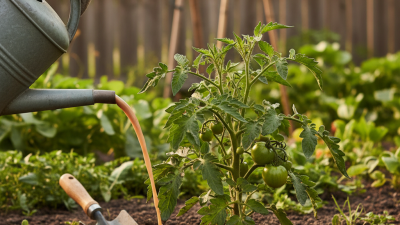
you not only nourish the soil but also create a thriving ecosystem. For instance, tomatoes and peppers respond especially well to this type of fertilizer. Their growth can be noticeably quicker and more robust.
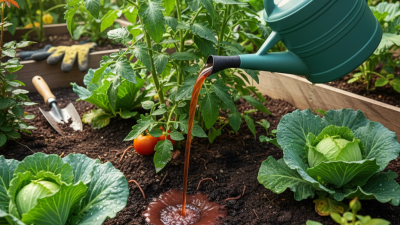
Using fish fertilizer can lead to more vibrant blooms and healthier vegetables. It stimulates root development, allowing plants to absorb water and nutrients more efficiently. Applying it during the growing season
can produce impressive results. Nevertheless, it is crucial to follow the recommended application rates. Over-fertilization can harm plants and lead to nutrient runoff,
which poses environmental concerns.
It's essential to remember that every garden is unique. What works for one might not work for another. Monitor your plants closely and adjust your fertilizer strategy accordingly. Factoring in your soil's original
nutrient levels can guide you to better decisions. Gardening is a journey of trial and error, and sometimes reflection leads to better plant care.
Environmental Benefits of Using Water Soluble Fish Fertilizer in Gardens
Water soluble fish fertilizer is an eco-friendly choice for garden enthusiasts. It enhances soil health while minimizing environmental impact. This organic option enriches the soil with essential nutrients. Natural microorganisms thrive, promoting a balanced ecosystem. The use of fish fertilizer supports beneficial insects, which are crucial for pollination and pest control.
One notable benefit is the reduction of chemical runoff. Traditional fertilizers often wash away during watering or rain. This can contaminate nearby waterways. Fish fertilizer, being organic, mitigates this risk. It breaks down naturally, avoiding harmful effects on aquatic life.
Gardeners often observe improved plant growth without the harsh side effects of synthetic fertilizers. However, it's essential to apply the correct dosage to avoid nitrogen overload. Regular assessments of soil health can help achieve the best results. Keeping track of the garden's progress can provide valuable insights. By adapting practices based on observed outcomes, gardeners can foster a thriving and sustainable green space.