Top 5 Benefits of Water Soluble Magnesium Fertilizer?
Water Soluble Magnesium Fertilizer is becoming increasingly important in modern agriculture. This type of fertilizer offers unique benefits that enhance plant growth and overall crop quality. Magnesium is an essential nutrient for plants, playing a crucial role in photosynthesis and enzyme activation.
Using Water Soluble Magnesium Fertilizer can improve nutrient absorption. Plants can uptake magnesium more efficiently in this soluble form. Additionally, it helps prevent magnesium deficiency, which might lead to poor crop yields. Many farmers report healthier plants and more robust harvests after using this fertilizer.
It's worth noting that while the benefits are significant, improper use can lead to adverse effects. Over-application can result in nutrient imbalances. Therefore, careful consideration and expertise are necessary for optimal results. Quality research and reliable sources can guide farmers in effectively integrating this fertilizer into their practices.

Overview of Water Soluble Magnesium Fertilizer
Water soluble magnesium fertilizer has gained attention for its vital role in agriculture. Unlike traditional fertilizers, this type is easily absorbed by plants. It provides essential magnesium, crucial for photosynthesis and chlorophyll production. Studies show that magnesium deficiency can reduce crop yields by up to 30%. This highlights the importance of proper magnesium levels in enhancing plant health and productivity.
In various soil types, the mobility of water soluble magnesium ensures that nutrients reach plants efficiently. A report from the International Plant Nutrition Institute indicates that magnesium contributes significantly to overall nutrient uptake. This kind of fertilizer enhances growth rates and increases resistance to environmental stress. Farmers often report stronger, healthier plants with improved fruit quality.
However, challenges exist. Over-reliance on soluble fertilizers can lead to nutrient imbalances. Soil testing is important to avoid excess magnesium, which may inhibit the absorption of other essential nutrients. Understanding the specific needs of the crops is crucial for effective application. This approach ensures balanced nutrition and sustainable practices in modern agriculture.
Enhanced Nutrient Uptake in Plants
Water-soluble magnesium fertilizer plays a crucial role in enhancing nutrient uptake in plants. Magnesium is essential for photosynthesis and enzyme activation. When magnesium is readily available in water-soluble form, plants can absorb it more efficiently through their roots. This rapid absorption leads to improved overall plant health and productivity.
Many growers notice a significant difference in growth rates when using water-soluble magnesium. For instance, leafy greens often show lush, vibrant foliage, indicating better nutrient absorption. However, not all plants respond equally. Some may require additional nutrients or specific conditions to fully benefit from magnesium. Adjustments in watering and soil pH can sometimes complicate the process.
With the right balance, water-soluble magnesium can alleviate nutrient deficiencies. It improves chlorophyll production, empowering plants to perform at their best. Observing plants closely reveals varying responses. Growers may need to experiment with concentrations and application frequencies. This trial-and-error approach can lead to success in maximizing nutrient uptake and plant vitality.
Improvement of Soil Health and Structure
Water-soluble magnesium fertilizer offers significant benefits for soil health and structure. Magnesium plays a critical role in photosynthesis and is essential for plant growth. When utilized effectively, it can enhance soil's nutrient retention capacity. This means healthier plants that yield better produce.
Incorporating water-soluble magnesium can improve soil aeration and drainage. Soils rich in magnesium help promote beneficial microbial activity. These microbes break down organic material and improve nutrient availability. However, over-fertilization can lead to soil imbalances. Always consider soil tests before application to avoid potential harm.
Tips: Ensure you apply magnesium consistently throughout the growing season. Always follow recommended rates to maintain balance. Monitor soil pH, as it can affect magnesium availability. Regular observation can help catch any potential issues early. Sustainable practices can lead to a thriving ecosystem in your garden.
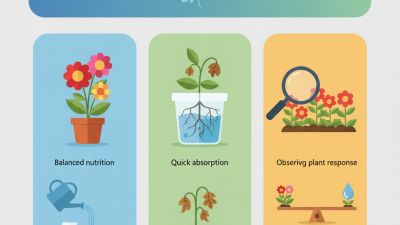
Top 5 Benefits of Water Soluble Magnesium Fertilizer
This chart illustrates the top five benefits of water soluble magnesium fertilizer, showcasing its positive impact on soil health and structure.
Support for Plant Growth and Development
Magnesium is essential for plant health. Water soluble magnesium fertilizer promotes chlorophyll production. Improved chlorophyll levels enhance photosynthesis. This leads to more robust plant growth. According to a study by the American Society of Agronomy, magnesium significantly increases crop yield.
Plants absorb water soluble magnesium quickly. This means faster nutrient uptake. Research indicates that timely magnesium application boosts stress resistance. For example, during drought, magnesium helps maintain leaf turgor pressure. This keeps plants hydrated and thriving. A well-fed plant is less susceptible to pests and diseases.
Tips: Regular testing of soil magnesium levels can prevent deficiencies. Consider applying magnesium fertilizer before stressful periods, such as flowering or drought. Monitor your plants for signs of magnesium deficiency, like yellowing leaves. This will help you react quickly to their needs.
Impact on Crop Yield and Quality
Water soluble magnesium fertilizer significantly enhances crop yield and quality. Magnesium, a crucial nutrient, plays a vital role in photosynthesis and enzyme activation. Studies indicate that magnesium deficiencies can lead to up to a 25% reduction in crop yields. On the other hand, using water soluble magnesium can raise yields by as much as 15%, particularly in magnesium-deficient soils.
In a research report from the International Plant Nutrition Institute, crops treated with soluble magnesium showed improved growth rates and fruit quality. For instance, tomatoes exhibited increased sugar content and better overall taste when magnesium was provided in a soluble form. Additionally, a field study found that maize treated with magnesium enhanced kernel weight by 10% compared to untreated plants.
While the benefits are clear, there are potential drawbacks. Over-application can lead to leaf burn or nutrient imbalances. Farmers must carefully manage the application rates. Soil testing is necessary to gauge magnesium levels before applying fertilizers. Accurate assessment can prevent both under and over-fertilization, ensuring healthy crop growth and optimal yields. Understanding these nuances enhances the effectiveness of magnesium fertilizers in sustainable agriculture.