Why Choose Water Soluble P Fertilizer for Crops?
Why Choose Water Soluble P Fertilizer for Crops?
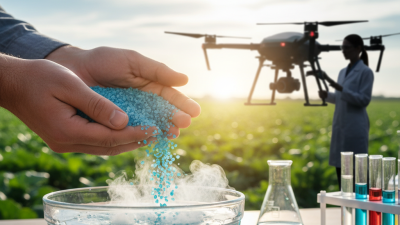
Phosphorus supports root growth, energy transfer, flowering, and early crop development. Yet phosphorus availability often remains uneven, especially in calcareous or highly weathered soils. Water Soluble P Fertilizer dissolves rapidly, giving crops access to phosphorus near active roots. That matters during short, sensitive growth stages. A few granules beside a young root can influence early vigor. Irrigation systems can also deliver soluble phosphorus with greater timing control. This approach fits fertigation, drip irrigation, and precision nutrient programs.
Industry data reinforces the need for improved nutrient management. The International Fertilizer Association’s Medium-Term Fertilizer Outlook 2024–2028 expects continued global fertilizer demand, despite tighter environmental expectations. The FAO World Food and Agriculture Statistical Yearbook highlights agriculture’s continuing pressure to produce more food with limited land and inputs. Meanwhile, the OECD-FAO Agricultural Outlook 2024–2033 emphasizes productivity, resource efficiency, and sustainable input use. These reports do not make soluble phosphorus a universal answer. They show why placement, timing, and recovery efficiency deserve closer attention.
The choice is not automatic. Water Soluble P Fertilizer may react quickly with calcium, iron, or aluminum in soil. Overapplication can increase runoff risks and waste valuable nutrients. Soil testing, crop demand, irrigation water analysis, and 4R nutrient stewardship should guide the program. Agronomists should compare cost per unit of absorbed phosphorus, not merely cost per bag. Results may differ between fields. That is the uncomfortable part. A well-designed plan still needs field monitoring, tissue testing, and adjustment during the season.
What Is Water-Soluble Phosphorus Fertilizer?
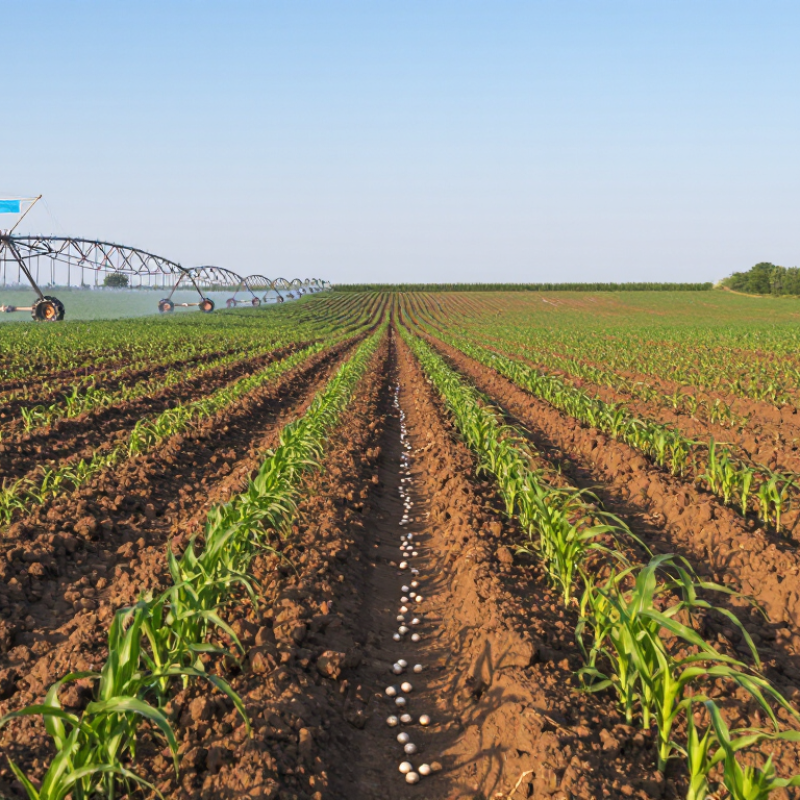
Water-soluble phosphorus fertilizer is a mineral fertilizer that dissolves completely in water. It releases phosphorus ions, mainly orthophosphate, for direct plant uptake. This differs from slow-release or poorly soluble sources. Farmers commonly apply it through irrigation systems or as a carefully diluted soil treatment. When roots are young, available phosphorus supports early growth, energy transfer, and root development. It can also help crops establish more evenly after planting.
The fertilizer works best when soil conditions are suitable. Very acidic or alkaline soils can lock phosphorus onto minerals, reducing its movement toward roots. In field practice, soil testing should guide the application rate. Excess phosphorus does not guarantee stronger plants. It may waste money and increase nutrient losses. I have seen vigorous leaves hide weak root systems after poorly timed applications. It is not a perfect fix. Water quality matters too, because hard water can cause deposits inside injectors or narrow irrigation lines.
Tips:
Dissolve the fertilizer in clean water first. Check the solution for sediment. Apply smaller amounts near active roots, rather than one heavy dose. Keep fertilizer away from concentrated contact with seeds. Measure soil pH and phosphorus before repeated applications. Crop stage, soil texture, rainfall, and irrigation volume should shape the final program. A cautious adjustment is often better than a dramatic one.
How Water-Soluble Phosphorus Supports Crop Growth
Why Choose Water Soluble P Fertilizer for Crops?
Phosphorus supports root growth, energy transfer, flowering, and seed formation. Plants absorb it mainly as phosphate ions in soil water. Water-soluble phosphorus dissolves quickly, placing these ions near active roots after irrigation or rainfall. A young corn root can then access nutrients during rapid early growth. This matters when cold soil slows natural phosphorus release. The United States Department of Agriculture identifies phosphorus as essential for photosynthesis, respiration, and cell division.
Timing matters greatly. Applying soluble phosphorus near planting can support early root development, especially in soils testing low for available phosphorus. However, soluble does not mean automatically efficient. Phosphorus can bind tightly with calcium, iron, or aluminum. Soil pH changes the result. A 2023 FAO statistical report recorded about 185 million tonnes of fertilizer nutrients used globally in 2021. That figure reflects scale, not perfect nutrient efficiency. Field performance still depends on soil testing, placement, moisture, and crop demand.
Use less guesswork. A soil test can reveal whether phosphorus is limiting or already abundant. Band placement may reduce contact with the whole soil volume. Split applications can also help in high-value crops, although labor and equipment costs deserve attention. The International Fertilizer Association’s nutrient-use-efficiency guidance emphasizes matching application rate, timing, placement, and source. Water-soluble phosphorus is useful, but it is not magic. A poorly timed application may move away from roots or become unavailable before plants need it.
Key Benefits for Nutrient Uptake and Soil Management
Water-soluble phosphorus fertilizer dissolves quickly in irrigation water or soil moisture. This makes phosphorus available near developing roots when crops need it most. Strong root systems support early growth, flowering, and seed formation. However, fast availability does not guarantee efficient uptake. Soil pH, temperature, moisture, and root activity still matter. In practical crop management, a soil test should guide the application rate and timing.
Tips: Apply phosphorus close to the root zone, especially during early growth. Avoid heavy applications before storms, because runoff can carry nutrients away. Check irrigation uniformity when using fertigation. Uneven water flow can create uneven crop growth. Keep records of rates, weather, and plant responses.
Water-soluble fertilizer can also support flexible soil management. Growers may split applications instead of applying one large dose. This approach can reduce nutrient waste and match changing crop demand. Yet phosphorus can become fixed in acidic or alkaline soils, limiting availability. That part is often underestimated. A crop may show weak growth even when soil phosphorus appears sufficient. Regular testing, careful placement, and observation of leaf color and root development provide better evidence. No fertilizer replaces balanced nutrition, suitable moisture, or healthy soil structure.
Factors to Consider When Choosing a Water-Soluble P Fertilizer
Choosing a water-soluble P fertilizer requires more than reading the phosphorus percentage.
Crop type and growth stage should guide the decision. Young roots often need readily available phosphorus for early development, while flowering crops may require carefully timed applications. Field tests are essential. A soil report can reveal whether phosphorus is deficient, adequate, or already excessive.
Applying more is not always better.
Water quality also matters.
Hard water may contain calcium or magnesium that reacts with phosphate and creates sediment. I recommend testing irrigation water before mixing fertilizer in a large tank.
Check pH, electrical conductivity, and solubility at the expected temperature. A clear solution is a useful sign, but it does not prove complete compatibility. Small-scale testing remains safer.
Application method affects efficiency.
Drip irrigation needs a fully dissolved product with minimal residue. Foliar use requires lower concentrations and careful attention to leaf sensitivity. The fertilizer analysis should match the crop plan, not simply offer the highest phosphorus content.
Storage conditions deserve attention too.
Moisture can cause caking and reduce accurate dosing.
I once saw a grower blame poor crop color on phosphorus, although compacted soil had restricted root growth. That experience is a reminder: fertilizer cannot correct every field problem.
Availability, soil structure, placement, cost, and local recommendations should be considered together.
Check the label carefully.
Best Practices for Applying Water-Soluble P Fertilizer
Water-soluble phosphorus fertilizer can support strong root growth when crops need readily available nutrients. However, application timing matters more than simply increasing the rate. Soil testing should guide the plan, especially in fields with high phosphorus levels. A crop may look hungry, yet poor roots, cold soil, or compacted layers can cause similar symptoms. I once assumed more phosphorus would solve weak early growth. The result was disappointing.
Apply the fertilizer near the active root zone, but avoid placing concentrated material directly against seeds or young roots. Dissolve the product completely in clean water before injection or foliar use. Check the solution for sediment, blocked filters, or uneven flow. Water-soluble phosphorus works best when irrigation delivers moisture evenly across the root area. Avoid applying before heavy rain, because phosphorus can move with runoff into nearby water. This is both an agronomic and environmental concern. Monitor crop color, root development, and soil moisture after application. Adjustments may be necessary.
Tips: Test soil and irrigation water first. Check solution compatibility in a small container. Apply smaller amounts when roots are active. Clean tanks and filters promptly. Keep records of weather, rate, and crop response. Results may vary; field checks remain essential.