Top 10 Benefits of Using Water Soluble P Fertilizer for Your Plants
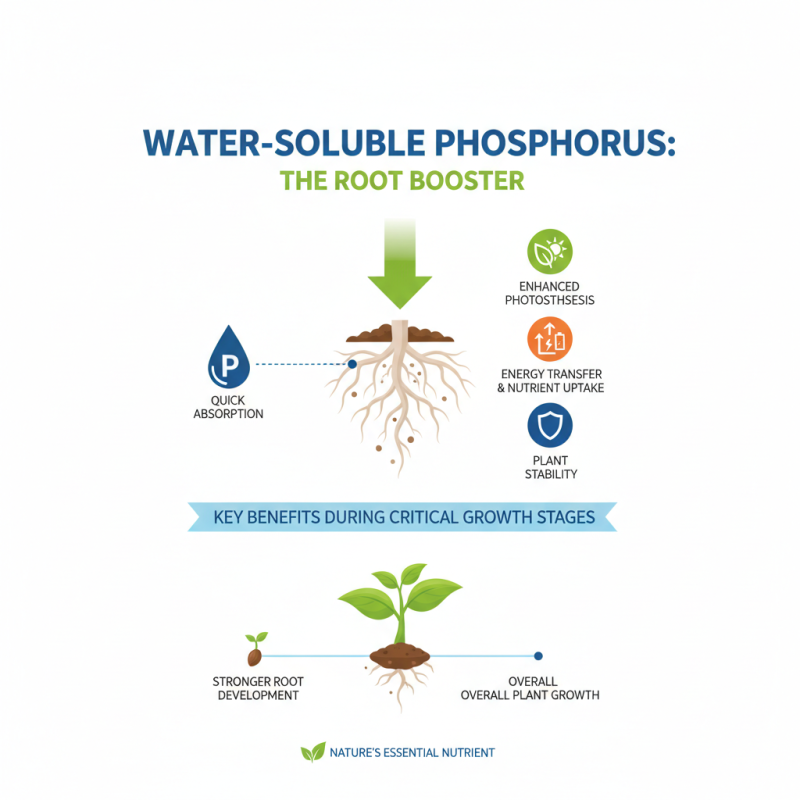
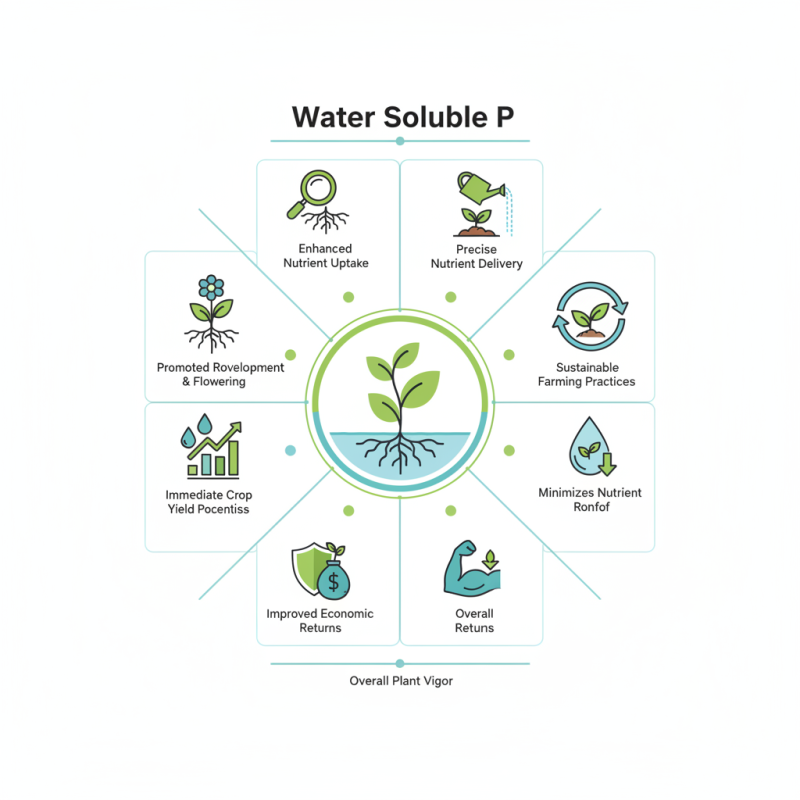
The utilization of Water Soluble P Fertilizer has transformed modern agriculture, making it an essential tool for enhancing crop productivity and plant health. As global food demand continues to rise, with estimates projecting an increase of up to 70% by 2050 (FAO, 2017), efficient nutrient management strategies, such as water-soluble fertilizers, have become crucial for sustainable farming practices. These fertilizers allow for precise nutrient delivery, ensuring that plants have immediate access to phosphorus, a key macronutrient that promotes root development, flowering, and overall plant vigor.
Recent studies indicate that using Water Soluble P Fertilizer can significantly improve nutrient uptake efficiency, with findings showing that water-soluble formulations can increase phosphorus availability in the soil by upwards of 85% compared to traditional fertilizers (American Society of Agronomy, 2021). This rapid solubility and absorbability not only enhances crop yield potential but also minimizes the risks of nutrient runoff, contributing to more sustainable agricultural practices. As the industry evolves, the benefits of incorporating Water Soluble P Fertilizer into routine planting schedules become increasingly apparent, resulting in healthier, more resilient plants and improved economic returns for farmers.
Understanding Water Soluble P Fertilizer and Its Composition
Water soluble phosphorus (P) fertilizers are specifically designed to provide essential nutrients to plants in a form that is readily available for absorption. These fertilizers typically consist of various compounds, including monoammonium phosphate (MAP) and diammonium phosphate (DAP), which are known for their high solubility in water. The composition of water soluble P fertilizers allows for efficient nutrient uptake, ensuring that plants receive the phosphorus they need for optimal growth and development. This nutrient is crucial for processes such as photosynthesis, energy transfer, and root development.
One of the key advantages of water soluble P fertilizers is their ability to facilitate nutrient delivery directly to the plant roots through irrigation systems. When mixed with water, these fertilizers dissolve completely, providing a uniform distribution of nutrients throughout the soil. This promotes stronger root systems, enhances flowering and fruiting, and ultimately leads to improved crop yields. Additionally, their quick-release formulation allows for targeted feeding at critical growth stages, making them an ideal choice for both commercial growers and home gardeners looking to maximize the health and productivity of their plants.
Top 10 Benefits of Using Water Soluble P Fertilizer for Your Plants
| Benefit |
Description |
Impact Level (1-10) |
| Enhances Root Development |
Promotes stronger and deeper root systems for better nutrient and water absorption. |
9 |
| Boosts Flowering and Fruiting |
Increases flower production and fruit set, leading to a more abundant harvest. |
8 |
| Quick Nutrient Availability |
Nutrients are readily soluble in water, allowing for fast uptake by plants. |
10 |
| Improves Soil Health |
Enhances microbial activity in soil, improving overall soil quality and structure. |
7 |
| Reduces Nutrient Deficiency |
Helps prevent and correct phosphorus deficiencies, which are critical for plant growth. |
9 |
| Flexible Application |
Can be used in various methods, including foliar feeding and soil application. |
8 |
| Enhances Overall Plant Health |
Contributes to vigorous growth and improved resilience against pests and diseases. |
9 |
| Cost-Effective |
Provides a high nutrient value for the cost, maximizing the return on investment. |
8 |
| Customizable Formulations |
Available in various nutrient ratios to meet specific crop needs. |
7 |
| Environmental Friendly |
Often produced with fewer harmful chemicals, promoting sustainable agriculture. |
8 |
Enhancing Nutrient Absorption in Plants with Water Soluble P Fertilizer
Water soluble phosphorus (P) fertilizers play a crucial role in enhancing nutrient absorption in plants, offering several advantages that contribute to optimal growth and development. These fertilizers dissolve readily in water, allowing phosphorus to be quickly available to plants through their root systems. This immediate availability ensures that plants can access the essential nutrient more efficiently than with traditional granular fertilizers, which require longer breakdown times in the soil.
Furthermore, the use of water soluble P fertilizers promotes better nutrient uptake during critical growth stages. During periods of rapid growth or stress, such as flowering or fruiting, plants have a heightened demand for phosphorus. By incorporating water soluble forms, gardeners and farmers can provide a fast and easily absorbable source of this vital nutrient, improving overall plant health, enhancing root development, and ultimately leading to increased yields. The targeted application method not only optimizes nutrient utilization but also reduces the risk of nutrient leaching and environmental impact, making it a smart choice for sustainable agricultural practices.
Improving Soil pH and Structure Through Water Soluble P Applications
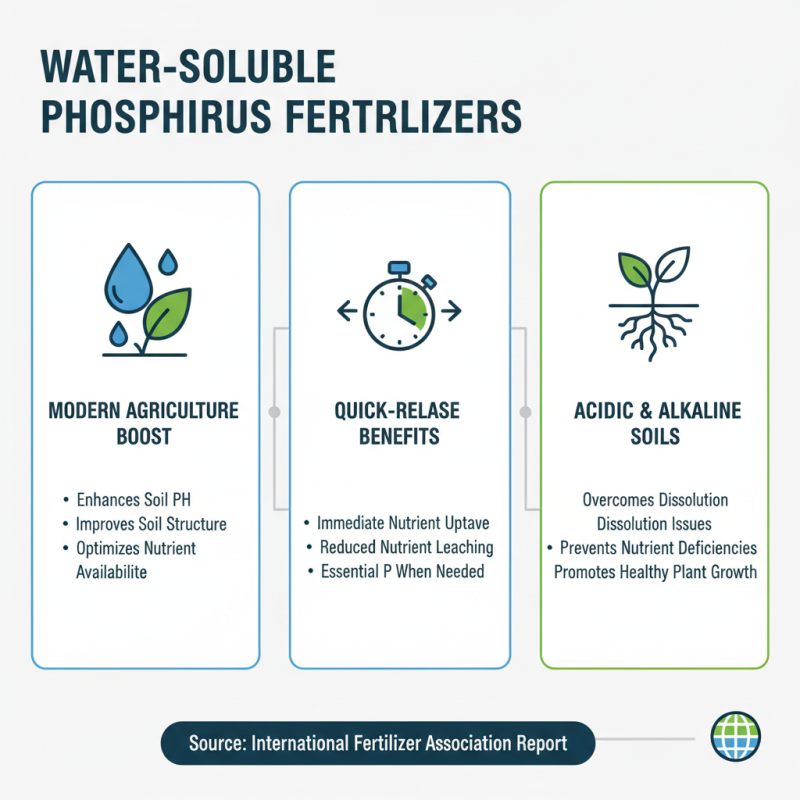
Water-soluble phosphorus (P) fertilizers have gained significant traction in modern agriculture due to their ability to effectively enhance soil pH and structure. According to a report by the International Fertilizer Association, soils with balanced pH levels are crucial for optimizing nutrient availability and promoting healthy plant growth. Water-soluble P fertilizers facilitate immediate nutrient uptake, reducing the chances of nutrient leaching and ensuring that plants receive essential phosphorus when they need it most. This quick-release capability is particularly beneficial in soils that are acidic or alkaline, where traditional fertilizers may struggle to dissolve properly, leading to nutrient deficiencies.
Additionally, the application of water-soluble P fertilizers can improve the overall soil structure by fostering microbial activity and enhancing organic matter decomposition. Research from the Soil Science Society of America indicates that phosphorus plays a vital role in promoting the growth of beneficial microbes, which can contribute to improved soil aggregation and aeration. This not only enhances root development but also aids in moisture retention, ultimately leading to healthier plants and increased yields. By incorporating water-soluble phosphorus fertilizers, farmers can create a more productive and sustainable farming system that caters to both soil health and plant nutrition needs.
Promoting Stronger Root Development and Plant Growth with P Fertilizer
Water soluble phosphorus (P) fertilizer plays a vital role in promoting stronger root development and enhancing overall plant growth. Phosphorus is an essential nutrient that supports various plant processes, including energy transfer, photosynthesis, and nutrient uptake. When applied in a water-soluble form, phosphorus becomes readily available for plants, allowing for quicker absorption and utilization. This immediacy is particularly beneficial during critical growth stages, where robust root systems are necessary for the plant’s stability and ability to access nutrients and water from the soil.
The enhanced root development facilitated by water-soluble P fertilizers leads to healthier and more resilient plants. A well-established root system can penetrate deeper into the soil, reaching vital resources and improving the plant's capability to withstand stress from environmental factors such as drought or nutrient deficiencies. Moreover, a strong root network supports better nutrient uptake efficiency, allowing the plant to capitalize on available minerals and boost overall vitality. By prioritizing phosphorus availability, gardeners and farmers can foster an environment that encourages vigorous plant growth and abundance in yield.
Environmental Benefits of Using Water Soluble P Fertilizer in Gardening
Water soluble phosphorus (P) fertilizers offer significant environmental benefits, making them an excellent choice for gardeners committed to sustainable practices. These fertilizers are designed to dissolve easily in water, allowing for efficient nutrient uptake by plants. One of the key advantages is that they reduce soil leaching, which minimizes the risk of nutrient runoff into waterways. This not only protects aquatic ecosystems but also promotes healthier soil structure, ultimately leading to better plant growth.
Incorporating water soluble P fertilizers into your gardening routine can also enhance the overall fertility of your soil. Phosphorus plays a crucial role in root development and flowering, ensuring that your plants are robust and productive. Furthermore, when used responsibly, these fertilizers can contribute to a balanced nutrient supply, preventing over-fertilization that can lead to soil degradation.
Tips: To maximize the eco-friendly benefits of water soluble P fertilizers, consider using them during cooler parts of the day to reduce evaporation loss. Additionally, always measure the appropriate dosage based on your soil test results to avoid nutrient wastage. By being mindful of application methods and timing, you can create a thriving garden while supporting environmental health.
Top 10 Benefits of Using Water Soluble P Fertilizer for Your Plants
This bar chart illustrates the top 10 benefits of using water soluble phosphorus (P) fertilizer in gardening. Each benefit is rated on a scale from 1 to 10, showcasing how significantly each one contributes to the overall health and productivity of plants.