What is the Best Potassium Nitrate Powder for Global Buyers?
In today's global market, Potassium Nitrate Powder plays a crucial role across various industries. This compound, known for its versatility, is widely used in agriculture, food preservation, and fertilizers. Buyers seek high-quality potassium nitrate for its effectiveness and reliability. Understanding what constitutes the best product can be challenging.
Different suppliers offer varying grades of Potassium Nitrate Powder. Some products excel in purity while others may fall short in quality. Recognizing these differences is essential for informed purchasing decisions. It’s vital to consider the intended use of the powder, as specialty applications may require specific properties.
Moreover, the sourcing of Potassium Nitrate Powder can raise questions about sustainability and ethical practices. Consumers should reflect on suppliers’ reputations and transparency. This helps ensure that the products are not only effective but also responsibly sourced. Engaging with reputable vendors is key to securing a dependable product for your needs.
What is Potassium Nitrate and Its Global Applications?
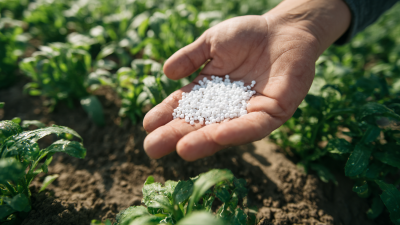
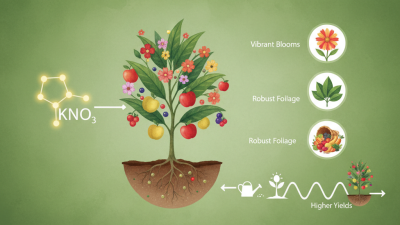
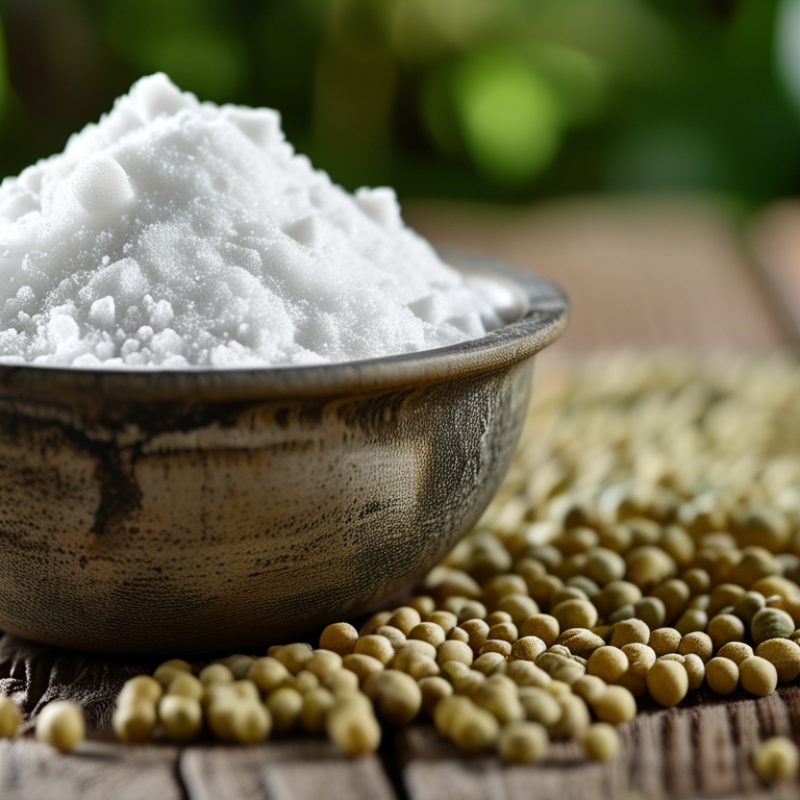
Potassium nitrate, often recognized for its versatile applications, plays a crucial role in various industries worldwide. This compound, known for its solubility in water, is mainly used in fertilizers, food preservation, and even in the production of rocket propellants. Farmers utilize potassium nitrate for its dual benefit of providing potassium and nitrogen, essential nutrients for plant growth. Its ability to enhance crop yield makes it a staple in agriculture.
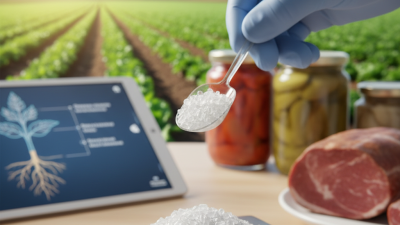
In the food industry, potassium nitrate is valued for its preservative qualities. It's often used in curing meats, ensuring both flavor and safety. However, while its benefits are clear, one must remain cautious of the amount used. Over-reliance on additives can lead to health concerns. Always consult proper guidelines before utilizing it in food preservation.
Tips: When sourcing potassium nitrate, consider its purity levels. Higher purity often equates to better results in applications. Also, understand local regulations regarding its use to ensure compliance. Always handle with care, as even common substances can pose risks in certain contexts. Emphasizing responsible usage can mitigate potential hazards inherent in any chemical application.
Key Properties of High-Quality Potassium Nitrate Powders
When considering potassium nitrate powder, buyers should focus on key properties. High-quality potassium nitrate should have a purity level of at least 98%. This ensures that the product performs effectively in various applications. Lower purity can lead to inconsistent results. According to industry reports, impurities can significantly affect solubility and reactivity, which are critical for agricultural and industrial uses.
Another important property is particle size and distribution. Powders with a fine, uniform particle size enhance solubility and stability. An ideal median particle size is around 200 microns. This size allows better mixing and application. Research indicates that poor particle distribution can hinder performance, emphasizing the need for proper specifications.
Moisture content is another critical factor. A maximum moisture level of 0.5% is advised to prevent clumping and degradation. Excessive moisture can lead to complications during storage and use. Buyers should also be wary of variations in quality. Not all suppliers adhere to the same standards, which can cause uncertainty in product effectiveness. Understanding these nuances is essential for making informed purchasing decisions.
Industry Standards and Certifications for Potassium Nitrate
When considering potassium nitrate powder, industry standards and certifications play a crucial role. Buyers should focus on quality and compliance. Key certifications include ISO, REACH, and FDA. These certifications indicate that the product has undergone rigorous testing. They help ensure safety and performance. Reliable suppliers often display these certifications prominently.
The production process is equally important. Potassium nitrate should be manufactured under strict guidelines. This includes sourcing raw materials from certified vendors. Mills and facilities often need specific accreditations. A lack of certification may raise concerns about quality.
Global buyers need to be cautious. Not all suppliers adhere to the same standards. Researching a supplier's background is vital. Customer reviews can provide insights. Transparency in sourcing and manufacturing processes should be expected. Engaging with knowledgeable suppliers helps mitigate risks. A thorough understanding of industry standards enhances decision-making.
Top Global Suppliers of Potassium Nitrate: A Comparative Analysis
When considering potassium nitrate powder, global buyers face numerous options. It's crucial to evaluate suppliers based on their reliability and product quality. For example, some suppliers may focus on fine granules, while others might offer larger crystals. Understanding these variations is key.
A good supplier should also provide clear specifications and certifications. This helps ensure that the product meets necessary safety and quality standards. Analyzing customer feedback can shed light on a supplier's reputation. Sometimes, even the most trusted names may face issues with consistency.
Buyers should also consider logistics. Shipping times and costs can vary greatly among suppliers. Certain regions may experience delays that impact supply. It’s vital to weigh these factors when selecting a supplier. The aim is to establish a partnership that prioritizes quality and dependability, even if imperfections exist.
Trends in Potassium Nitrate Usage Across Different Industries
Potassium nitrate, a versatile compound, finds its way into various industries, from agriculture to food preservation. In agriculture, it serves as an essential fertilizer, providing plants with crucial nutrients. Farmers employ it to enhance crop yield and quality. Its high solubility makes it easy to apply, making it a popular choice worldwide.
In the food industry, potassium nitrate plays a role in curing meats. It helps prevent spoilage and retains the pink color of cured products. However, its use raises health concerns. Some studies suggest potential risks associated with excessive consumption. This highlights the need for careful regulation and monitoring in this sector.
The chemical is also utilized in the manufacturing of fireworks and explosives. While important for entertainment and defense, this usage prompts safety discussions. Balancing utility and safety is an ongoing challenge in industries reliant on potassium nitrate. Each sector faces its own unique hurdles in ensuring responsible usage while meeting demands.