10 Best Water Soluble Granular Fertilizers for Optimal Growth?
In the world of gardening and agriculture, the right nutrients make all the difference. Water soluble granular fertilizers have gained popularity for their convenience and effectiveness. These fertilizers dissolve quickly, allowing plants to absorb nutrients efficiently. They cater to various plants, ensuring optimal growth and vibrant health.
Choosing the right water soluble granular fertilizer can be overwhelming. Each product on the market claims to be the best. However, understanding your plants' specific needs is crucial. Factors like soil type, climate, and plant species dictate your choice. Some gardeners may experience trial and error when selecting fertilizers. This learning curve is part of the gardening journey.
It's essential to consider expert recommendations and reviews when selecting these fertilizers. Trusted brands often provide detailed nutrient ratios and usage guidelines. Water soluble granular fertilizers can offer remarkable results if used correctly. Balancing these nutrients in your garden will unlock growth potential. However, overuse can lead to nutrient burn, harming your plants. So, a thoughtful approach is vital for successful gardening.
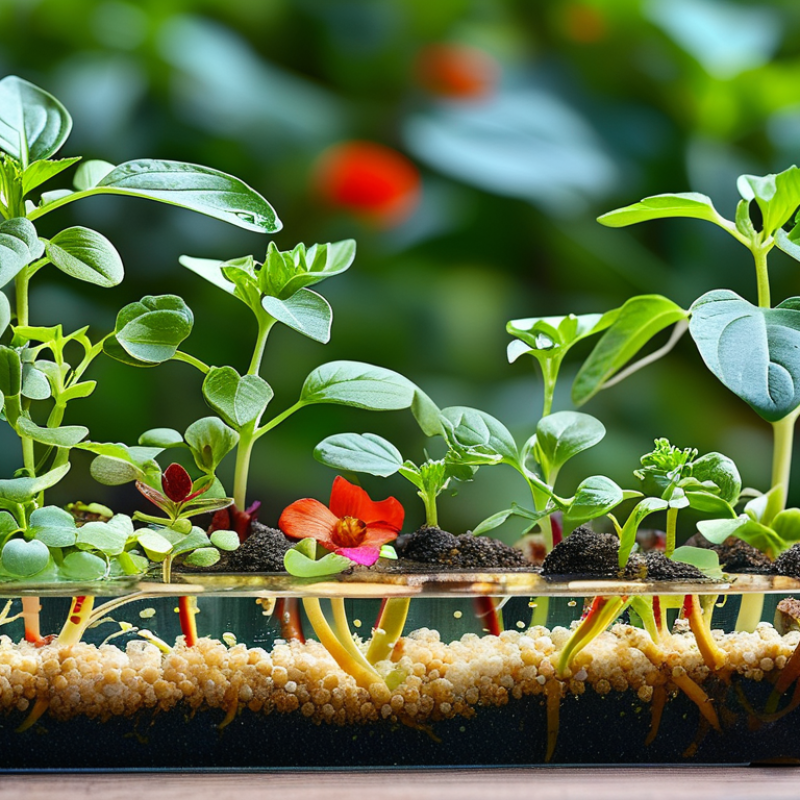
Benefits of Water Soluble Granular Fertilizers in Agriculture
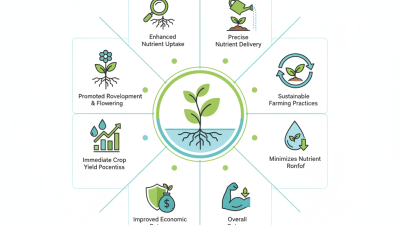
Water soluble granular fertilizers have emerged as essential tools in modern agriculture. They dissolve quickly in water, allowing for immediate nutrient availability to plants. This quick uptake supports healthier growth and development, especially during critical growth stages. Farmers often find that these fertilizers improve crop yields without causing nutrient build-up in the soil, a common issue with slow-release options.
Incorporating water soluble fertilizers fosters efficient nutrient management. Adjusting formulas for specific crops is vital. Nutrient deficiencies can occur if not monitored closely. Overly frequent applications, while tempting, can lead to imbalances. A well-calibrated approach ensures optimal results. Studies show plants treated with these fertilizers achieve vibrant colors and enhanced resilience against pests and diseases.
The environmental impact is part of the discussion. Proper usage minimizes runoff and leaching, but misapplication can lead to issues. Farmers are encouraged to regularly test soil and monitor plant health to guide their fertilization strategy. Continuous learning and adaptation are crucial in achieving sustainable agriculture. The journey to mastering water soluble granular fertilizers requires diligence and thoughtful reflection.
Key Nutrient Components for Optimal Plant Growth
Understanding the key nutrient components for optimal plant growth is crucial for any gardener or farmer. Water-soluble granular fertilizers typically include three primary nutrients: nitrogen (N), phosphorus (P), and potassium (K). Nitrogen supports leafy growth and overall vigor, while phosphorus encourages strong root systems and flowering. Potassium is essential for overall plant health and disease resistance. According to industry reports, these nutrients must be balanced for effective plant growth.
When selecting fertilizers, look for ratios indicating the relative percentages of these nutrients. For example, a 10-20-20 ratio signifies higher phosphorus and potassium levels. Soil health is also vital. Adding organic matter can enhance nutrient absorption and retention. Testing soil pH helps to determine which components your soil may lack.
Tip: Regularly check moisture levels in your soil. Over or under-watering can hinder nutrient uptake. Consider integrating micronutrients like magnesium and calcium. These can improve nutrient absorption and help plants thrive.
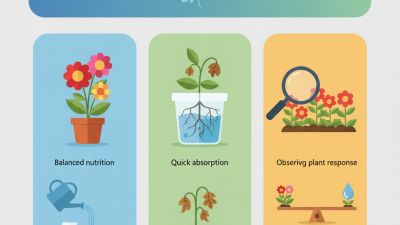
Remember, not all plants require the same nutrient composition. Some might thrive with a higher nitrogen content, while others need more potassium. Regularly assess your plants' health and adjust your fertilization strategy accordingly. Observations can lead to refined practices and better yields.
10 Best Water Soluble Granular Fertilizers for Optimal Growth
| Fertilizer Type |
Nutrient Composition |
Recommended Use |
Water Solubility |
| General Purpose Fertilizer |
20% N, 20% P, 20% K |
Vegetables & Fruits |
Highly Soluble |
| Bloom Booster |
10% N, 30% P, 20% K |
Flowering Plants |
Moderately Soluble |
| Vegetative Growth Formula |
15% N, 10% P, 25% K |
Leafy Greens |
Highly Soluble |
| Fruit Development Mix |
8% N, 24% P, 36% K |
Fruiting Plants |
Very Soluble |
| Herb Fertilizer |
12% N, 5% P, 10% K |
Herbs and Spices |
Highly Soluble |
| Balanced Nutrient Fertilizer |
15% N, 15% P, 15% K |
General Plant Care |
Moderately Soluble |
| Citrus Fertilizer |
10% N, 10% P, 10% K |
Citrus Trees |
Highly Soluble |
| Organic Growth Fertilizer |
5% N, 7% P, 7% K |
Organic Gardening |
Partially Soluble |
| All-Purpose Fertilizer |
10% N, 10% P, 10% K |
Indoor & Outdoor Plants |
Highly Soluble |
| Aquatic Plant Fertilizer |
12% N, 0% P, 15% K |
Aquatic Plants |
Very Soluble |
Top 10 Water Soluble Granular Fertilizers Analyzed
Water-soluble granular fertilizers provide essential nutrients for optimal plant growth. These fertilizers dissolve in water, making nutrients readily available to plants. According to a 2022 industry report, employing water-soluble fertilizers can increase crop yield by up to 30%. This effectiveness makes them a popular choice among gardeners and farmers.
When choosing a water-soluble fertilizer, consider the NPK ratio. This indicates the ratio of nitrogen, phosphorus, and potassium. Different plants have varying nutrient needs. For instance, leafy greens benefit from higher nitrogen ratios, while root crops need more phosphorus. Misunderstanding these ratios can lead to growth issues.
Tips: Always test your soil before applying fertilizers. This practice ensures that plants receive the right nutrients for their growth stage. Monitor your plants’ health regularly. If you notice discoloration or stunted growth, reassess your fertilization strategy.
Selecting quality granular fertilizers can be overwhelming. With many options available, it’s crucial to conduct thorough research. Some fertilizers may contain fillers that provide little benefit. As we strive for optimal growth, it’s crucial to question the products we choose. Consider their efficacy based on reliable data and reviews. Doing so promotes healthier plants and sustainable gardening practices.
Application Rates and Their Impact on Crop Yield
When considering granular fertilizers, application rates play a vital role in determining crop yield. Too much fertilizer can lead to nutrient burn, harming the plants. Conversely, insufficient fertilizer will limit growth potential. Understanding the specific needs of your crops is crucial. Each type of fertilizer has recommended rates, but these can vary based on soil type and climate conditions.
Here's a tip: Always conduct a soil test before applying fertilizers. This ensures that you know what nutrients are already present. Adjust your application rates based on these results. It’s an effective way to enhance growth while avoiding waste.
Another important aspect is timing. The right time for application can significantly impact effectiveness. Factors like growth stage and weather conditions should guide your decisions. Fertilizing during the wrong phase might lead to leaching or reduced uptake by plants. Regularly monitor your crop's response to different rates, adjusting as needed. This ongoing assessment can lead to better outcomes in yield and resource efficiency.
Environmental Considerations in Fertilizer Selection and Usage
When selecting water-soluble granular fertilizers, environmental considerations play a crucial role. The impact of fertilizers on soil health and water quality can be significant. Excessive use can lead to nutrient runoff, causing pollution in local waterways. This is a pressing issue, as runoff can create algae blooms that deplete oxygen in aquatic environments.
Choosing the right fertilizer requires understanding its composition. Organic fertilizers, for instance, enhance soil biodiversity. They improve soil structure and can reduce the need for chemical inputs over time. However, not all organic fertilizers are created equal. Some may still contribute to environmental issues if not managed properly.
Regenerative practices add another layer of complexity. Incorporating crop rotation and cover crops can help mitigate negative effects. These methods improve soil health and reduce reliance on any fertilizer, granular or otherwise. Evaluation of these practices is necessary to find a balanced approach that promotes sustainability. Using fertilizers wisely can foster healthy ecosystems while supporting optimal plant growth.
10 Best Water Soluble Granular Fertilizers for Optimal Growth