10 Best Water Soluble Granular Fertilizers for Maximum Plant Growth
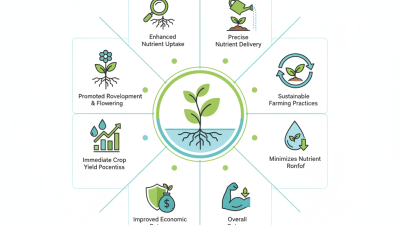
The significance of nutrients in plant growth is well-established, with reports from the Food and Agriculture Organization (FAO) indicating that approximately 40% of global crop yields are dependent on the effective application of fertilizers. Among the various types of fertilizers available, Water Soluble Granular Fertilizers have gained attention for their rapid nutrient availability and compatibility with modern irrigation systems. These fertilizers not only improve nutrient uptake by plants but also enhance soil structure, leading to healthier plant development and increased yields.
In recent years, studies have shown that the use of Water Soluble Granular Fertilizer can result in yield increases of up to 25% compared to traditional fertilization methods. This is largely due to their ability to dissolve quickly in water, allowing for efficient nutrient absorption during various stages of plant growth. According to market research, the global demand for soluble fertilizers is projected to grow significantly, driven by the increasing awareness among farmers about precision agriculture and sustainable farming practices. As gardeners and agricultural producers seek to maximize productivity while minimizing environmental impact, understanding the best options for Water Soluble Granular Fertilizers becomes essential for achieving optimal plant growth.
Understanding Water Soluble Granular Fertilizers and Their Benefits
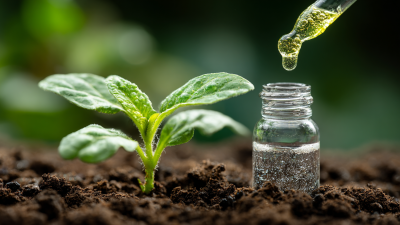
Water soluble granular fertilizers play a vital role in enhancing plant growth by providing essential nutrients in a format that plants can easily absorb. Unlike traditional fertilizers, which may release nutrients slowly and require soil breakdown, water soluble options dissolve quickly upon mixing with water, making nutrients immediately available to plants. This rapid absorption is particularly beneficial during key growth phases, enabling plants to utilize nutrients just when they need them most, thus promoting healthier and more vigorous growth.
The benefits of water soluble granular fertilizers extend beyond mere nutrient delivery. They allow for precision feeding, which means that gardeners can customize the nutrient mix based on the specific needs of their plants and the soil conditions. Additionally, these fertilizers can be applied through various methods such as irrigation systems or as foliar feeds, offering versatility for different gardening practices. By understanding and utilizing water soluble granular fertilizers effectively, gardeners can significantly boost their plant growth and overall garden productivity.
Water Soluble Granular Fertilizers for Maximum Plant Growth
Key Nutrients in Water Soluble Granular Fertilizers for Plant Health
Water-soluble granular fertilizers are essential for providing key nutrients that support robust plant health and optimal growth. These fertilizers dissolve easily in water, allowing for quick absorption by plant roots. The primary nutrients in these formulas typically include nitrogen (N), phosphorus (P), and potassium (K), often referred to as NPK values. Nitrogen is crucial for leaf and stem development, promoting lush foliage. Phosphorus facilitates root growth and flower production, while potassium enhances overall plant resilience and nutrient uptake efficiency. According to a report from the International Plant Nutrition Institute, adequate nitrogen levels can increase crop yields by 20-30%, significantly impacting agricultural productivity.
In addition to NPK elements, many water-soluble fertilizers contain secondary and micronutrients like calcium, magnesium, and iron. These compounds support enzymatic functions and chlorophyll production, further enhancing photosynthesis and overall plant vigor. For instance, magnesium is vital for chlorophyll synthesis, and deficiencies can lead to reduced growth rates and yellowing of leaves. A study by the American Society of Agronomy emphasizes that micronutrient deficiencies can hinder up to 30% of yield potential in crops if not adequately addressed. Thus, choosing the right balance of water-soluble granular fertilizers can be the key to maximizing plant growth and maintaining health throughout the growing season.
Top 10 Water Soluble Granular Fertilizers for Optimal Plant Growth
When it comes to ensuring optimal plant growth, the choice of fertilizer plays a critical role. Water-soluble granular fertilizers are particularly effective because they allow for rapid nutrient absorption by plants, ensuring they receive essential macronutrients and micronutrients when they need them most. According to the USDA's Agricultural Research Service, using water-soluble fertilizers can enhance nutrient uptake efficiency by up to 30%. This efficiency is crucial in both commercial agriculture and home gardening, where the goal is to achieve lush, healthy plants.
Moreover, the controlled release of nutrients from water-soluble granular fertilizers aligns with plant growth stages. During the early developmental phases, higher levels of nitrogen promote vigorous leaf and stem growth, while phosphorus supports root development. Research published in the Journal of Plant Nutrition and Soil Science notes that optimal nitrogen-to-phosphorus ratios can accelerate plant growth by 15-20%. As the plants mature, providing the right balance of potassium enhances flowering and fruiting, ultimately improving yield quality. The careful selection of water-soluble granular fertilizers, based on these nutrient needs, empowers gardeners and farmers alike to maximize their plant growth and yield potential effectively.
Application Methods for Effective Use of Water Soluble Granular Fertilizers
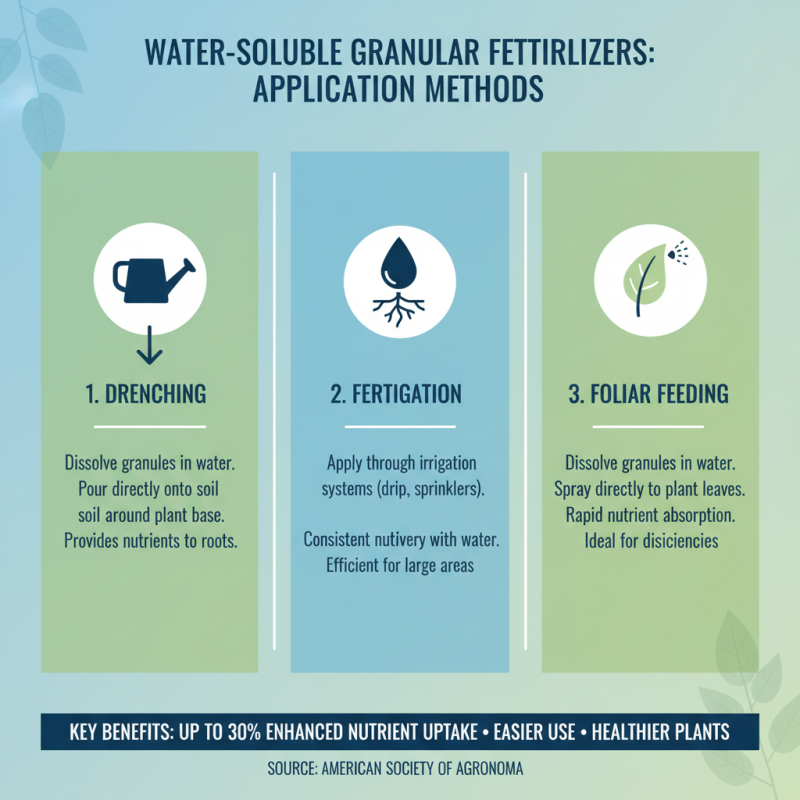
Water-soluble granular fertilizers are becoming increasingly popular among gardeners and farmers due to their ease of use and effective nutrient delivery. To maximize their benefits, understanding the proper application methods is crucial. The most common methods include drenching, fertigation, and foliar feeding. According to the American Society of Agronomy, when applied correctly, these methods can enhance nutrient uptake by up to 30%, leading to healthier and more vigorous plant growth.
Drenching involves mixing the fertilizer with water and applying it directly to the soil, ensuring that plants receive nutrients through their root system. Fertigation, on the other hand, integrates fertilizer application with irrigation systems, allowing for continuous nutrient supply while maintaining soil moisture. Foliar feeding, where the solution is sprayed directly onto plant leaves, can provide immediate access to nutrients and is particularly effective for correcting deficiencies quickly. To ensure optimal results, it’s essential to understand the nutrient requirements of specific plants and adjust application rates accordingly.
Tips: Always check the pH and nutrient levels of your soil before applying fertilizers. This will help tailor your fertilization schedule and amounts more accurately. Additionally, applying fertilizers during early morning or late afternoon can reduce evaporation and improve nutrient absorption.
Tips for Choosing the Right Fertilizer for Different Plant Types
When choosing the right water-soluble granular fertilizer for your plants, it’s essential to consider their specific nutrient requirements. Different plant types have varied needs based on their growth stages and natural habitats. For example, leafy greens like spinach or lettuce thrive on nitrogen-rich fertilizers that promote strong foliage, while flowering plants often require a higher concentration of phosphorus to encourage robust blooms. Understanding these differences will help you tailor your fertilization approach for optimal plant health.
In addition to nutrient content, factors such as soil type, climate conditions, and plant growth cycles are crucial in selecting the appropriate fertilizer. For instance, sandy soils tend to drain quickly, necessitating a more frequent application of soluble fertilizers to maintain nutrient availability. Conversely, heavier soils retain moisture and may benefit from less frequent fertilization with slow-release options. Post-bloom, some plants might need a balanced fertilizer to support root development and prepare them for the next growing season. Adapting your fertilization strategy in response to these variables will significantly enhance your gardening success.