10 Best Water Soluble Magnesium Fertilizers for Healthy Plants and Growth
In the world of plant cultivation, the significance of adequate nutrient supply cannot be overstated, and one crucial component is magnesium. Renowned agronomist Dr. Emily Hartwell emphasizes this point by stating, "Magnesium is vital for chlorophyll production and plays a key role in photosynthesis, making Water Soluble Magnesium Fertilizer essential for healthy plant growth." This insight underscores the importance of integrating quality water-soluble magnesium fertilizers into agricultural practices.
Water Soluble Magnesium Fertilizers not only enhance the nutrient availability in soil but also promote efficient nutrient uptake by plants. These fertilizers are particularly beneficial in situations where soil magnesium levels are low, aiding in achieving optimal plant health and vigor. The right balance of magnesium can lead to improved crop yields and better overall plant development. In this article, we will explore the top 10 water-soluble magnesium fertilizers that can ensure your plants thrive, highlighting their unique features and benefits for garden enthusiasts and professional growers alike. By understanding the importance of magnesium and choosing the appropriate fertilizers, one can pave the way for lush, healthy plants that flourish in any environment.
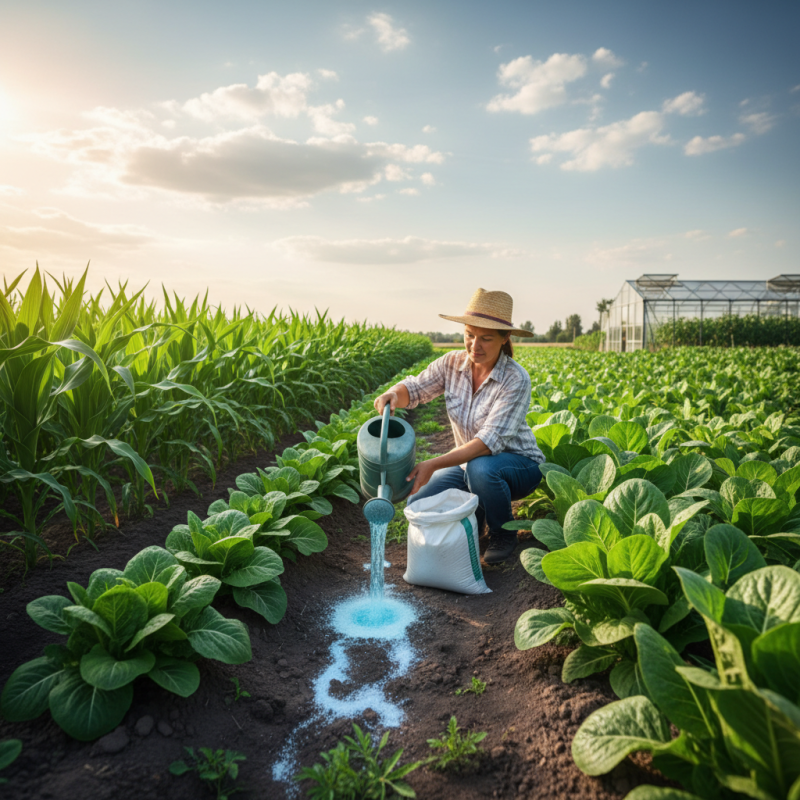
Importance of Magnesium for Plant Health and Growth
Magnesium plays a crucial role in plant health and growth, serving as a vital macronutrient alongside nitrogen, phosphorus, and potassium. It is the central element in chlorophyll, which is essential for photosynthesis. This process not only enables plants to convert sunlight into energy but also contributes to their overall vigor and ability to produce biomass. Without adequate magnesium, plants can exhibit signs of deficiency, including yellowing leaves, stunted growth, and poor fruit development. These symptoms highlight the importance of maintaining sufficient magnesium levels in the soil to ensure robust plant health.
In addition to its role in photosynthesis, magnesium contributes to various enzymatic reactions within plants, promoting the synthesis of proteins and the activation of certain metabolic pathways. It aids in the formation of cell membranes and plays a significant part in the plant's capacity to absorb other nutrients. Therefore, magnesium deficiency can lead to imbalances in nutrient uptake, further affecting plant vitality and yield. By using magnesium fertilizers that are water-soluble, gardeners and farmers can quickly address any deficiencies and support plant health, ultimately leading to healthier crops and improved growth outcomes.
Types of Water Soluble Magnesium Fertilizers Available
Water soluble magnesium fertilizers come in various forms, each tailored to meet the specific nutritional needs of plants. The most common types include magnesium sulfate, often referred to as Epsom salt, which is favored for its quick dissolution in water and rapid absorption by plants. This type not only supplies magnesium but also sulfur, which is essential for plant metabolism. Another widely used option is magnesium nitrate, which provides both magnesium and nitrogen, promoting healthy foliage growth and enhancing overall plant vigor.
Additionally, many manufacturers offer formulations that combine magnesium with other essential nutrients, such as potassium or calcium. These complex fertilizers can support a range of plant needs, addressing deficiencies while promoting balanced growth. Chelated magnesium fertilizers are also available, where magnesium is bound to organic molecules, allowing for improved nutrient uptake. Selecting the right type of water soluble magnesium fertilizer depends on the specific requirements of the plants and the soil's existing nutrient profile.
10 Best Water Soluble Magnesium Fertilizers for Healthy Plants and Growth
| Fertilizer Type |
Mg Content (%) |
Application Rate (g/L) |
Solubility (g/L) |
Best For |
| Magnesium Sulfate |
9.8 |
1-2 |
70 |
Flowering plants |
| Magnesium Nitrate |
10.5 |
0.5-1 |
100 |
Vegetables |
| Magnesium Chloride |
12.2 |
0.5-2 |
120 |
Acidic soils |
| Epsom Salt |
9.8 |
1-3 |
100 |
General use |
| Liquid Kelp with Magnesium |
3.5 |
5-10 |
50 |
Foliar feeding |
| Calcium Magnesium Nitrate |
7 |
1-2 |
70 |
Fruits |
| Magnesium Phosphate |
7 |
1-3 |
80 |
Root development |
| Magneisum Amino Acid Chelate |
4.5 |
2-4 |
90 |
Indoor plants |
| Liquid Magnesium Fertilizer |
5.3 |
5-15 |
60 |
Hydroponics |
| Bio-based Magnesium |
6.0 |
5-10 |
55 |
Organic gardening |
Criteria for Selecting the Best Magnesium Fertilizers
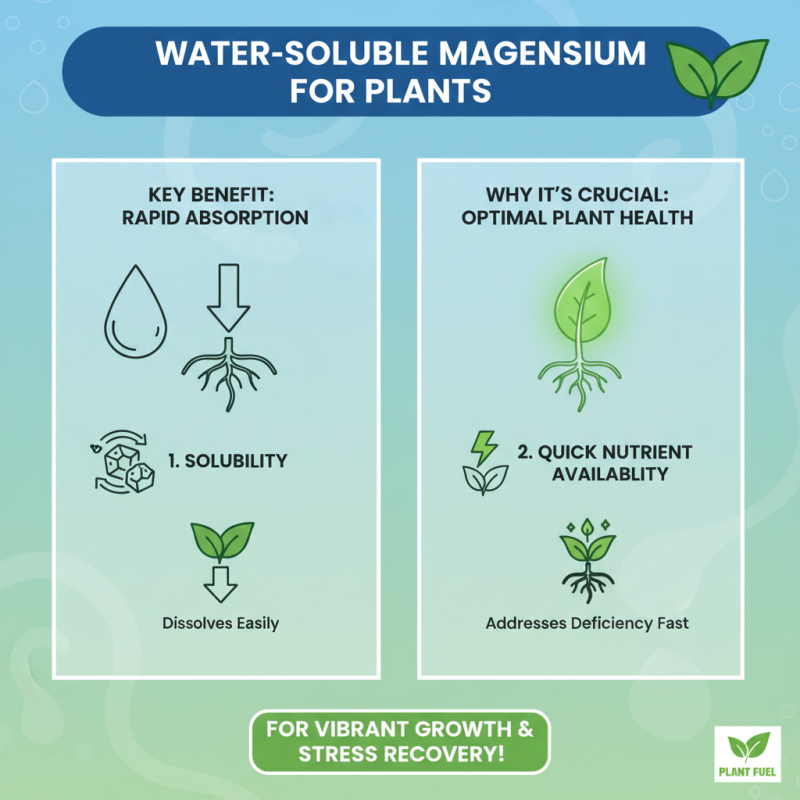
When selecting the best water-soluble magnesium fertilizers for healthy plants, several criteria should be considered. First and foremost, solubility is key; fertilizers should dissolve easily in water to ensure efficient absorption by plant roots. This property supports quick nutrient availability, which is vital for plants experiencing magnesium deficiency, particularly during critical growth stages.
Another important factor is the purity of the fertilizer. High-quality products should contain minimal contaminants that might hinder plant growth or soil health. Additionally, checking the nutrient concentration is essential, as this will affect how much fertilizer is needed and how often it should be applied. A balanced nutrient profile, with a good ratio of magnesium to other essential nutrients, helps promote overall plant vigor.
Lastly, consider the ease of application and compatibility with existing fertilization practices. Fertilizers that can be utilized in conjunction with other fertilizers or alongside different watering systems provide greater flexibility for gardeners and farmers alike. Moreover, understanding the specific needs of various plants can guide the selection process, ensuring that chosen fertilizers not only support magnesium levels but also foster optimal growth and development.
Top 10 Water Soluble Magnesium Fertilizers Reviewed
When it comes to promoting plant health and growth, magnesium is an essential nutrient that plays a crucial role in photosynthesis and overall metabolic functions. A good water-soluble magnesium fertilizer can help provide this vital nutrient efficiently, ensuring that your plants receive the optimal amount they need for vigorous growth.
In our review of the top 10 water-soluble magnesium fertilizers, we focus on ingredients, solubility, effectiveness, and ease of use to provide you with the best options available.
Among the top choices, some fertilizers feature magnesium in combination with other nutrients, providing a balanced approach to plant nourishment. These products dissolve readily in water, making them easy to apply through various methods, including foliar feeding and soil application. The effectiveness of these fertilizers is often measured through improvements in plant vigor, leaf color, and overall yield, which are critical for both home gardeners and commercial growers alike. Each product reviewed showcases its unique formulation and the benefits it brings to specific plant types, ensuring that there's an ideal option for every gardening need.
Application Methods and Tips for Optimal Results
Water-soluble magnesium fertilizers play a crucial role in promoting healthy plant growth, ensuring that essential nutrients are readily available for absorption. To achieve optimal results, understanding the application methods is paramount. Research indicates that magnesium deficiency in soil can lead to stunted growth and poor fruit quality, particularly in crops like tomatoes and peppers, which are particularly sensitive to nutrient imbalances. A soil pH between 6.0 and 7.0 is ideal for magnesium uptake, so it’s essential to test soil conditions before application.
For effective application, it’s advisable to use water-soluble magnesium fertilizers during the peak growth periods of plants. Foliar feeding, where the fertilizer is applied directly to leaves, can enhance nutrient absorption significantly. Studies have shown that foliar application can increase magnesium uptake by as much as 30% to 50%, as plants can absorb nutrients through their leaves more quickly than through their roots.
Additionally, combining magnesium with other nutrients such as calcium can foster synergistic effects, strengthening plant resilience against stress factors such as drought or disease.
To maximize the efficacy of magnesium fertilizers, it is also important to consider environmental factors. Applying fertilizers in the early morning or late afternoon can reduce the risk of evaporation and increase absorption rates. Furthermore, maintaining optimal moisture levels in the soil prior to application ensures that magnesium is effectively transported to plant roots. Regular monitoring and soil testing will help in fine-tuning the application frequency to suit specific plant needs, thus ensuring that the plants receive the full benefits of the nutrients provided.