5 Best Water Soluble Orchid Fertilizers for Thriving Plants?
When it comes to nurturing orchids, finding the right fertilizer is crucial. Experts like Dr. Emily Chen, a horticulturist at Orchid Innovations, underscore the importance of nutrition. She states, "A well-balanced Water Soluble Orchid Fertilizer can truly transform your plants." This highlights the power of proper fertilization in ensuring healthy growth.
Water Soluble Orchid Fertilizer provides essential nutrients in an easily absorbable form. It allows the plants to uptake vital elements quickly. This is particularly important during the growing season. Orchids need the right balance of nitrogen, phosphorus, and potassium. Using an efficient fertilizer can promote vibrant blooms and lush foliage.
Despite the benefits, gardeners often face challenges in selecting the right product. The variety can be overwhelming, and not all fertilizers are created equal. Some may contain high salts, which can harm delicate roots. It’s vital to reflect on choices, ensuring that what nourishes orchids doesn't detract from their health.
Understanding the Importance of Water Soluble Fertilizers for Orchids
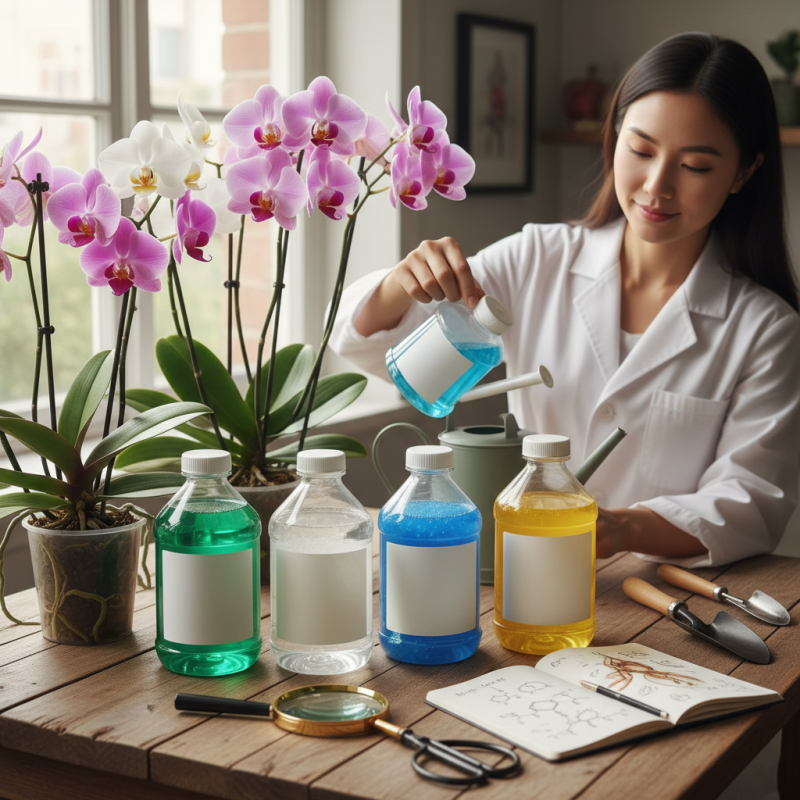
Water-soluble fertilizers play a crucial role in orchid care. Orchids, being epiphytes, require specific nutrients to thrive. These fertilizers dissolve easily in water, allowing for quick absorption by plant roots. This is essential for orchids, as they often grow in less nutrient-rich environments.
Using water-soluble fertilizers can boost orchid growth significantly. However, it’s important to use them correctly. Over-fertilizing can harm your plants. Signs of over-fertilization include yellowing leaves and burnt tips. It is also vital to choose a balanced formula that meets the unique needs of your orchids.
Frequency of application matters too. Many growers recommend a schedule of every two weeks during the growing season. You may need to adjust based on how your orchids respond. Remember, each plant is different. Observing their reactions helps refine your fertilization routine. Careful monitoring is key to promoting healthy growth.
5 Best Water Soluble Orchid Fertilizers for Thriving Plants
| Fertilizer Type |
Nutrient Ratio |
Solubility |
Recommended Usage |
Additional Benefits |
| Balanced Fertilizer |
20-20-20 |
Highly Soluble |
Every 2 weeks during growing season |
Promotes strong root growth |
| Bloom Booster |
15-30-15 |
Fast-Acting |
Once a month during blooming |
Enhances flowering and color |
| Nitrogen-Rich Fertilizer |
30-10-10 |
Very Soluble |
Every 3 weeks during growth |
Supports lush foliage growth |
| Calcium-Enriched Fertilizer |
10-20-20 |
Moderately Soluble |
Bi-weekly for optimum health |
Strengthens cell walls for sturdiness |
| Trace Elements Fertilizer |
20-20-20 + Micronutrients |
Easily Soluble |
Monthly or as needed |
Enhances overall plant health |
Key Nutrients for Successful Orchid Growth and Flowering
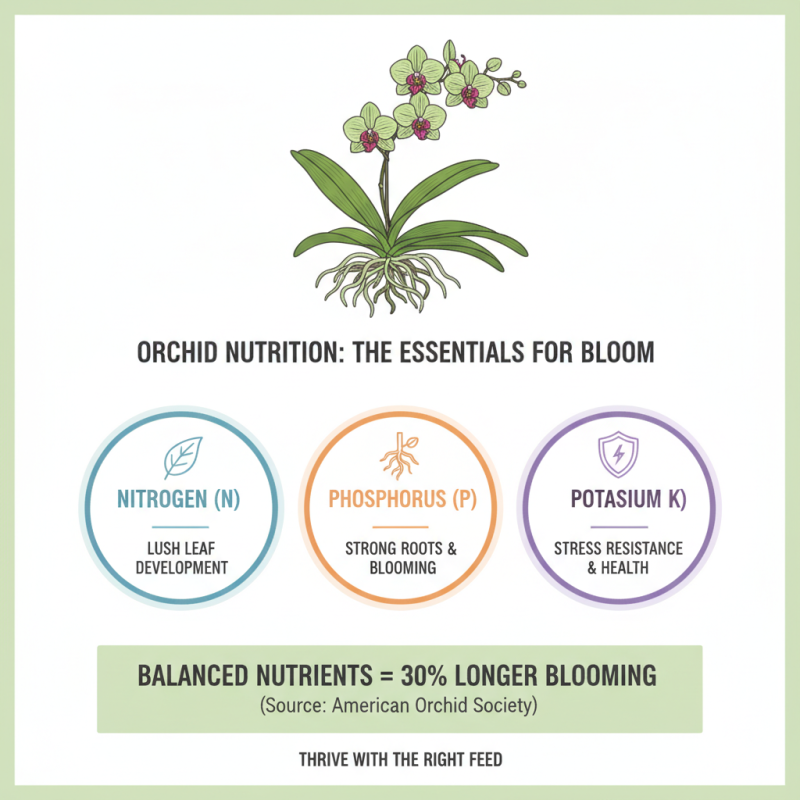
Orchids thrive when they receive the right nutrients. Key elements such as nitrogen, phosphorus, and potassium can significantly impact their growth. Nitrogen supports leaf development, while phosphorus is crucial for robust root systems and flowering. Potassium increases plant resilience against stress factors, enhancing overall health. According to a study by the American Orchid Society, orchids with balanced nutrient levels exhibit a 30% increase in blooming time.
Tips: Use water-soluble fertilizers to quickly deliver nutrients to your orchids. This method can help avoid slow nutrient release issues. Dilute fertilizers to half-strength to prevent root burn, which is often overlooked.
Consider micronutrients as well. Elements like calcium, magnesium, and iron support photosynthesis, root formation, and overall vitality. A report from the Royal Horticultural Society highlights that a deficiency in these can stunt growth. Regularly monitor your orchid’s health to identify signs of nutrient deficiency. Yellowing leaves could indicate nitrogen shortage, while poor root development suggests a lack of calcium.
Tips: Adjust your watering schedule as nutrient demand varies with growth stages. Make minor adjustments and observe for changes—over-fertilizing can harm rather than help. Always use a well-draining medium to support healthy root systems.
Top 5 Water Soluble Orchid Fertilizers Reviewed for Optimal Performance
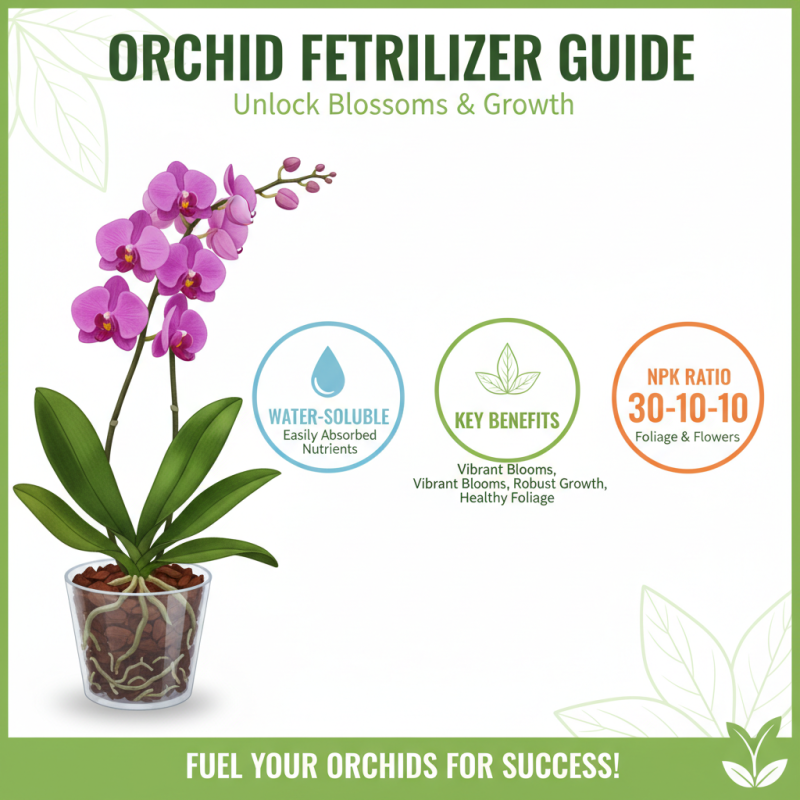
When it comes to maintaining healthy orchids, water-soluble fertilizers play a crucial role. The right nutrients can promote vibrant blooms and robust growth. Studies show that orchids respond positively to specific nutrient ratios. For example, a balanced N-P-K ratio of 30-10-10 is often ideal for encouraging foliage development and flowering.
Using water-soluble fertilizers allows for quick absorption, which is vital. Orchid roots can take in nutrients through water, making it easier to deliver what the plants need. Many growers report that a slight over-fertilization can lead to burnt roots and reduced flowering. This emphasizes the importance of accurate measurements. Even an experienced gardener can struggle with this balance.
It's essential to pay attention to your watering schedule when applying fertilizers. Watering too frequently can lead to nutrient leaching, while too infrequent watering can prevent nutrient uptake. The feedback from growers suggests that understanding the specific needs of your orchids leads to better results. A soil test might be a worthy investment, as it can help tailor your fertilization strategy.
How to Apply Water Soluble Fertilizers for Best Results in Orchids
Water-soluble fertilizers are essential for orchid care. To apply them effectively, you need to consider timing and dilution. It's best to fertilize your orchids once every two weeks during the growing season. This encourages healthy growth and vibrant blooms.
When preparing the solution, follow the instructions carefully. A mixture that is too strong can harm your plants. It’s a delicate balance; you want to nourish without overwhelming. Pour the fertilizer around the roots, avoiding the leaves to prevent burning.
Monitoring your orchids after application is crucial. Are the leaves turning yellow? This could indicate over-fertilization. If blooms fail to appear, you may need to adjust your approach. Experimentation is key; find the right rhythm for your plants. Each orchid can respond differently, and that's part of the learning process.
Tips for Choosing the Right Orchid Fertilizer for Your Plant Type
Choosing the right orchid fertilizer involves understanding your specific plant’s needs. Different orchids require varying nutrients. For instance, some orchids thrive on high nitrogen formulas, while others prefer low phosphorus. This detail is crucial in nurturing your plants.
Consider your orchid type before selecting fertilizer. Phalaenopsis orchids, for example, benefit from a balanced nutrient approach. On the other hand, Cattleya orchids may need extra potassium during their blooming period. Observing your plants can reveal their preferences. Look for growth patterns and leaf color to guide your choices.
Experimenting can lead to unexpected results. Perhaps a particular mix didn’t work last season but could still be beneficial now. Don’t be afraid to adjust your approach. Regularly evaluate the health of your orchids. This practice fosters a deeper understanding of their needs. It’s all about finding the right balance to help your plants flourish.
5 Best Water Soluble Orchid Fertilizers for Thriving Plants
This chart illustrates the effectiveness of different water-soluble orchid fertilizers based on user reviews, indicating the average rating out of 5 for each fertilizer type.