What is Calcium Nitrate and Its Key Benefits for Buyers?
Calcium Nitrate is a vital compound used in agriculture and horticulture. It is widely recognized for its role as an effective fertilizer. Farmers and gardeners value it for its ability to provide essential nutrients to plants. The blend of calcium and nitrate helps improve soil quality, promoting overall plant health.
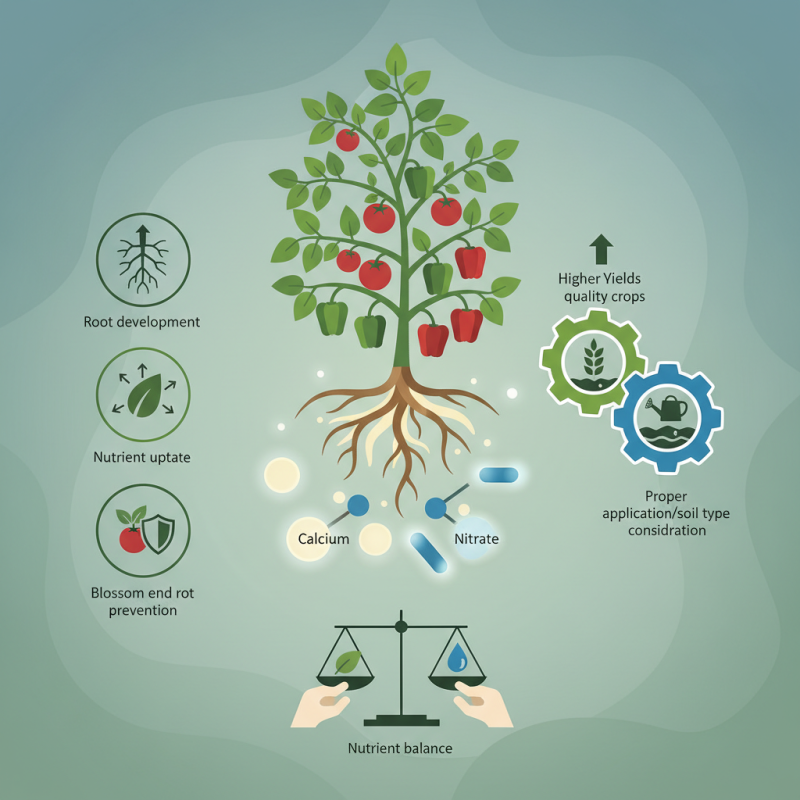
This compound offers multiple benefits. It encourages root development and enhances nutrient uptake. Additionally, Calcium Nitrate helps in preventing blossom end rot in tomatoes and peppers. Its use can lead to higher yields and better quality crops.
However, buyers should also consider proper application techniques. Mixing with other fertilizers requires careful calibration. Every soil type is unique, and understanding these differences is essential. In the pursuit of increased productivity, it is crucial to reflect on the balance of nutrients. Choosing Calcium Nitrate can be beneficial, but mindful application is necessary for optimal results.
What is Calcium Nitrate?
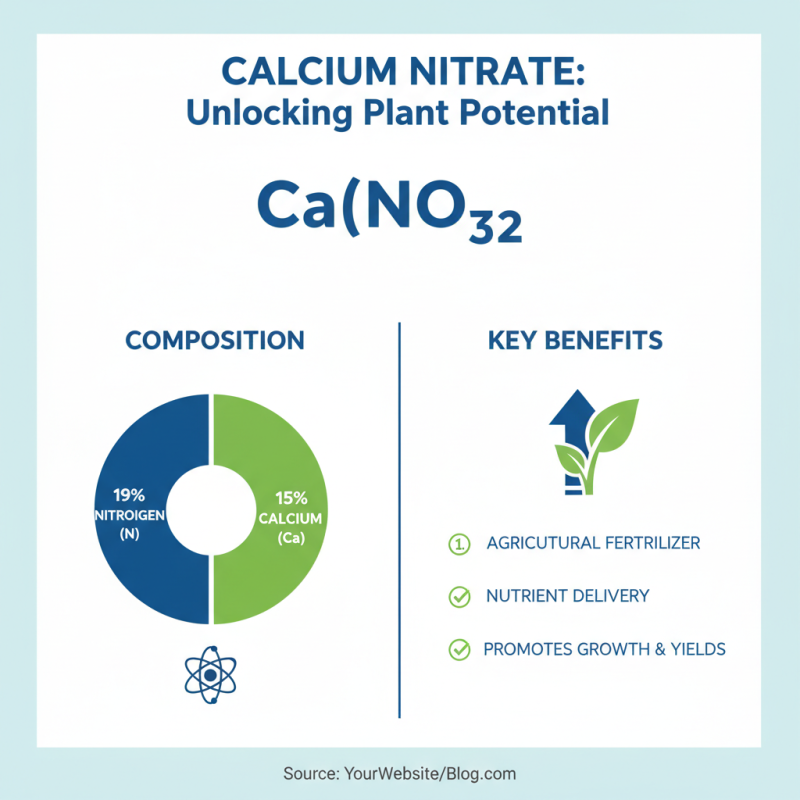
Calcium nitrate is a chemical compound commonly used in agriculture and horticulture. It is composed of calcium, nitrogen, and oxygen. With the formula Ca(NO₃)₂, it is highly soluble in water. This solubility makes it an excellent choice for crop nutrition. Farmers often apply it to improve plant growth and yield.
In agricultural practices, calcium nitrate serves crucial roles. It enhances soil structure and conditions. It provides essential nutrients that promote vegetative growth, particularly in leafy greens. The calcium helps strengthen cell walls, which reduces the risk of diseases in plants. Additionally, the nitrogen content aids in rapid growth and green color in foliage. Many growers find that it boosts productivity. However, improper application can lead to nutrient imbalances.
The reliable use of calcium nitrate can yield significant benefits. It is particularly useful in hideroponic systems. Many growers see improved crop quality and enhanced flavors. Yet, careful monitoring is necessary. Overuse can cause root burn or other issues. Each user must tailor their approach based on specific crop needs. Understanding your soil and plant requirements is key.
Chemical Composition and Properties of Calcium Nitrate
Calcium nitrate is a chemical compound with the formula Ca(NO3)2. It contains about 19% nitrogen and 15% calcium. This unique composition makes it valuable in various applications. The agricultural sector particularly benefits from its use as a fertilizer. It aids in nutrient delivery to plants, promoting growth and enhancing yields.
One notable property of calcium nitrate is its solubility in water. It dissolves readily, allowing instant availability of nutrients. This characteristic is essential for farmers who need immediate nutrient application. According to a report from the Food and Agriculture Organization (FAO), the use of calcium nitrate can increase crop yields by up to 20%. Such statistics emphasize its significance in modern agriculture.
Calcium nitrate also plays a role in environmental benefits. It reduces soil acidity, promoting better crop health. However, overuse can lead to nitrate leaching, potentially harming water sources. This reflects a need for careful management in application. Sustainable practices must be considered to maximize benefits while minimizing environmental impacts.
Common Uses of Calcium Nitrate in Agriculture
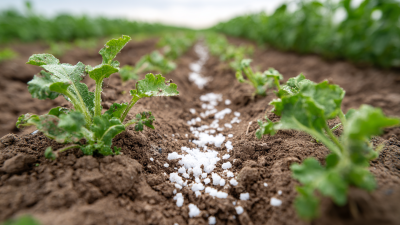
Calcium nitrate is widely used in agriculture due to its numerous benefits. It provides plants with essential calcium and nitrogen needed for growth. The soluble nature of calcium nitrate makes it an ideal choice for fertigation systems, allowing farmers to deliver nutrients directly to the root zone. This method can enhance nutrient uptake and increase crop yields.
Farmers often apply calcium nitrate to various crops like tomatoes, peppers, and lettuce. It helps in preventing blossom end rot, a common issue in fruiting vegetables. Additionally, calcium plays a role in strengthening plant cell walls. This improves overall plant resilience against diseases and harsh weather conditions. Many growers appreciate the immediate availability of nutrients calcium nitrate offers, reducing the need for extensive soil amendments.
Yet, over-reliance on calcium nitrate may lead to imbalances in soil nutrients. Soil testing is vital to ensure that calcium levels remain appropriate. Some crops may only need minimal amounts. A thoughtful approach can prevent potential issues related to over-fertilization. Observing plants and adjusting applications based on their needs often yields better results.
What is Calcium Nitrate and Its Key Benefits for Buyers? - Common Uses of Calcium Nitrate in Agriculture
| Dimension |
Information |
| Chemical Formula |
Ca(NO3)2 |
| Appearance |
White crystalline solid |
| Solubility in Water |
Highly soluble |
| pH Level |
6 to 7 (neutral) |
| Key Benefits |
Improves plant growth, enhances nutrient absorption, increases yield |
| Common Uses |
Fertility enhancement, irrigation solutions, greenhouse applications |
| Application Rate |
50-300 kg/ha depending on crop needs |
| Environmental Impact |
Low when used properly; may contribute to nitrate leaching |
Key Benefits of Calcium Nitrate for Buyers
Calcium nitrate is a valuable compound used in agriculture. It serves as an essential nutrient for plants. Many farmers choose it for its high solubility and quick absorption. This makes it ideal for crops needing immediate nutrients. Calcium nitrate provides both calcium and nitrogen. These elements support healthy plant growth and prevent deficiencies.
One significant benefit of calcium nitrate is its role in enhancing crop yields. Research shows that it can lead to stronger, healthier plants. The calcium helps strengthen cell walls, promoting better resistance to diseases. Meanwhile, nitrogen enhances growth, leading to a more robust harvest. Some growers notice greener foliage and improved fruit quality.
Calcium nitrate is also advantageous for soil health. It helps balance pH levels, which is crucial for nutrient uptake. On the downside, excessive use without careful management can lead to soil nutrient imbalances. Regular soil testing is recommended to prevent long-term issues. Proper application methods must be considered, ensuring sustainability and efficiency. Buying calcium nitrate is often a decision that requires thoughtful planning.
Key Benefits of Calcium Nitrate for Buyers
Calcium nitrate is a versatile compound that plays a crucial role in various industries. In agriculture, it is predominantly used as a fertilizer, contributing to enhanced plant growth and yield. Other significant applications include construction materials and food preservation, making it a beneficial product across sectors. This chart illustrates the percentage distribution of key benefits of calcium nitrate for buyers.
Environmental Impact and Safety Considerations of Calcium Nitrate
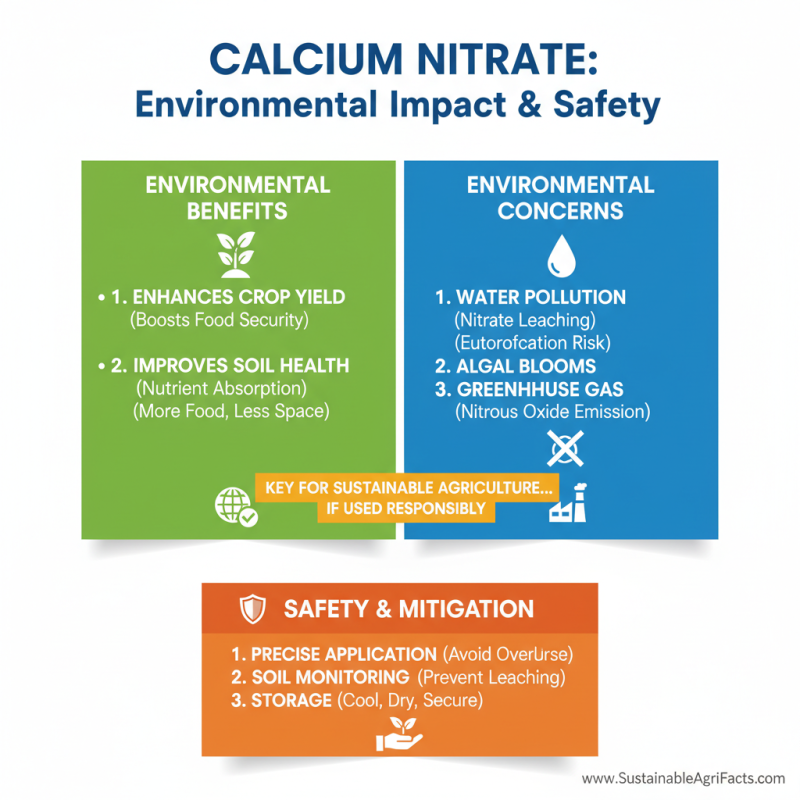
Calcium nitrate is a widely used fertilizer known for its benefits to soil health and plant growth. However, its environmental impact warrants discussion. When applied correctly, calcium nitrate can enhance crop yield and quality, which in turn promotes efficient land use. According to the International Fertilizer Association, such fertilizers can boost production and contribute to food security. This is critical as global food demand increases.
Yet, improper use poses risks. Excess application can lead to nitrate leaching into groundwater, posing health risks and harming aquatic ecosystems. A report from the Environmental Protection Agency indicates that elevated nitrate levels in drinking water can cause significant health issues. Hence, buyers should prioritize understanding soil needs and adhere to recommended application rates.
Tip: Always conduct a soil test before applying fertilizers. This ensures you meet specific nutrient needs, minimizing environmental risks. Consider using precision agriculture techniques to apply calcium nitrate more effectively. Responsible use is key to avoiding unintentional negative impacts on your surroundings.