What is Calcium Nitrate Fertilizer and How Does It Work?
Calcium Nitrate Fertilizer has gained prominence in modern agriculture due to its unique properties. Used extensively, it serves as a source of both calcium and nitrogen, essential nutrients for plant development. A 2021 report indicated that calcium nitrate significantly boosts crop yields, with studies showing increases of up to 17% in various vegetables.
Farmers often face challenges, such as nutrient imbalances in soil. Employing Calcium Nitrate Fertilizer can help address these issues. It enhances root development, which is critical for absorbing moisture. Additionally, a study revealed that calcium's role in cell wall structure contributes to better fruit quality. The compound dissolves rapidly in water, ensuring quick nutrient availability. However, it’s important to use it judiciously, as overapplication can lead to soil salinity problems.
The versatility of Calcium Nitrate Fertilizer cannot be overstated. Yet, it’s vital to tailor its usage to specific crop needs. This adaptability may raise questions about optimal application methods. Farmers must reflect on their fertilization strategies to avoid potential pitfalls. Balancing calcium and nitrogen while considering environmental impacts remains a challenge in sustainable agriculture.

What is Calcium Nitrate Fertilizer?
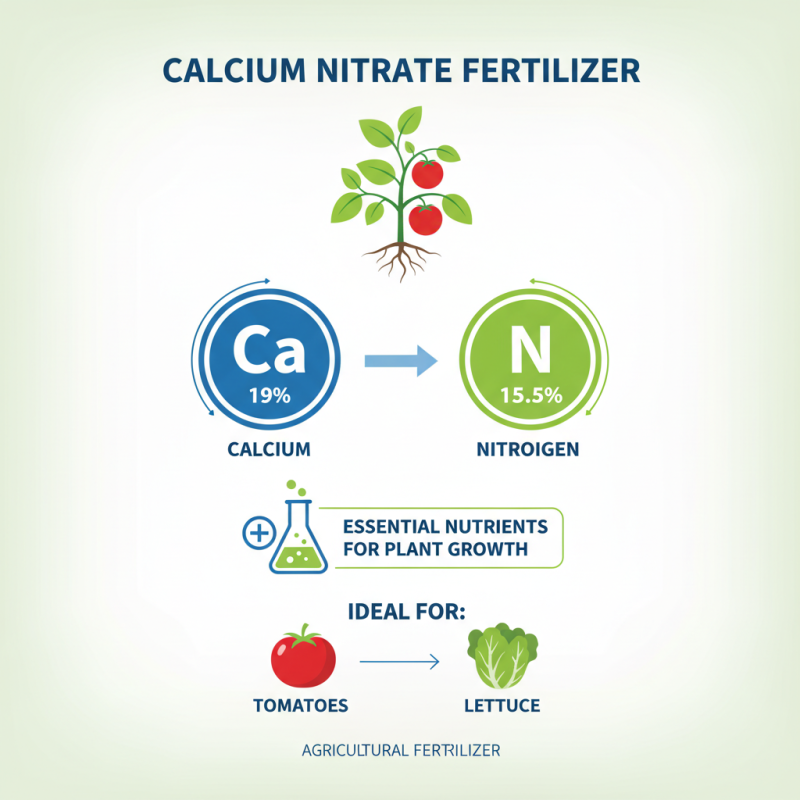
Calcium nitrate fertilizer is a key player in modern agriculture. It provides essential nutrients, primarily calcium and nitrogen. Both are crucial for plant health. This type of fertilizer is water-soluble, ensuring fast absorption by plants. Studies show that it can improve crop yield by up to 15% under the right conditions.
Farmers appreciate calcium nitrate for its dual action. Calcium helps strengthen cell walls, enhancing plant structure. Nitrogen is vital for promoting leafy growth. According to a report by the International Fertilizer Industry Association, nearly 30% of nitrogen used globally comes from nitrate sources. This indicates its popularity and effectiveness in the agricultural sector.
However, using calcium nitrate is not without challenges. Over-application can lead to nutrient imbalances. Farmers must carefully monitor soil health to avoid this issue. Soil testing can help. It’s a proactive step to ensure optimal nutrient levels. Many growers face difficulties in balancing their nutrient management strategies. This requires ongoing education and adjustment.
Benefits of Calcium Nitrate in Agriculture
Calcium nitrate fertilizer is vital in modern agriculture. It supplies calcium and nitrogen, essential nutrients for plants. Calcium supports cell wall structure, while nitrogen boosts growth and green color. The dual action helps crops thrive in various soils.
Farmers appreciate calcium nitrate for improving crop yield. It promotes early growth and strong roots. However, improper use can lead to nutrient imbalance. Oversaturation may affect plant health. Monitoring soil levels is crucial.
Many crops benefit significantly from calcium nitrate. Tomatoes and peppers often show improved quality and taste. Yet, reliance on this fertilizer can harm soil health over time. Sustainable practices should complement its use. Balancing chemical and organic methods can enhance long-term productivity.
What is Calcium Nitrate Fertilizer and How Does It Work? - Benefits of Calcium Nitrate in Agriculture
| Aspect |
Details |
| Chemical Composition |
Calcium Nitrate (Ca(NO₃)₂) |
| Primary Use |
Fertilizer for crops, especially in greenhouse and hydroponic systems |
| Nutrient Content |
15.5% Nitrogen, 19% Calcium |
| Benefits |
- Enhances plant growth
- Improves fruit quality
- Prevents blossom end rot in crops like tomatoes
- Increases nutrient absorption from the soil
|
| Application Methods |
- Soil application
- Foliar spraying
- Drip irrigation
|
| Impact on Soil |
Helps maintain pH balance and promotes beneficial microbial activity |
| Environmental Considerations |
Lower risk of nitrate leaching compared to other nitrogen fertilizers |
How Calcium Nitrate Affects Plant Growth
Calcium nitrate plays a crucial role in plant growth. It provides essential nutrients, especially calcium and nitrogen. Research shows that calcium supports cell wall structure and integrity. Healthy walls lead to better water retention. This is vital for plants during dry periods. Nitrogen promotes leaf growth and green coloration. A study indicated that crops treated with calcium nitrate had a 20% increase in leaf chlorophyll content.
Calcium nitrate also enhances nutrient uptake. It aids in the absorption of other minerals. A balanced nutrient supply leads to stronger plants. However, improper application can lead to nutrient imbalances. Too much calcium can hinder magnesium uptake. Farmers need to monitor soil conditions closely. Regular testing helps prevent these issues.
One common concern is the interaction with soil pH. Calcium nitrate can raise pH levels in some soils. This can impact nutrient availability. Understanding soil chemistry is vital for optimal use. Farmers should consider their specific soil conditions. Tailoring fertilizer applications can lead to better outcomes. This demonstrates the need for a thoughtful approach in using calcium nitrate.
Application Methods and Dosage Guidelines for Calcium Nitrate
Calcium nitrate is a versatile fertilizer. It provides essential calcium and nitrogen for plants. Understanding the application methods is crucial for optimal results.
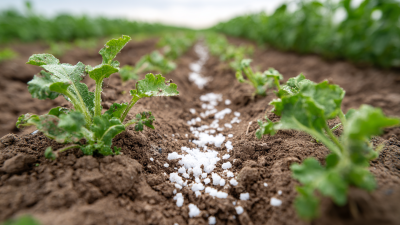
There are several ways to apply calcium nitrate. One common method is through soil application. Disperse the granules evenly over the soil. Watering afterward helps it dissolve and reach the roots. Another effective method is foliar spraying. Dilute calcium nitrate in water and spray directly onto plants. This method allows for quick absorption.
Tips: Start with a small amount. Monitor how plants respond. Adjust dosage if needed. Over-application can lead to nutrient imbalances, which is not ideal. Always check soil conditions before applying.
For dosages, it usually depends on the crop type and soil nutrient levels. A general guideline is 100-150 kg per hectare. However, consulting local agricultural extensions is wise. They can provide specific advice tailored to local soil and climate conditions. Too much fertilizer can burn plants, so caution is essential. Testing soil pH and nutrient levels can help refine applications.