When it comes to cultivating thriving indoor plants, selecting the appropriate Water Soluble Indoor Plant Fertilizer is essential for ensuring healthy growth. According to Dr. Emily Green, an expert in plant nutrition and indoor gardening, “The right fertilizer can make all the difference in a plant's vitality and overall appearance.” This highlights the importance of understanding the specific needs of your plants and the crucial role that suitable fertilizers play in their development.
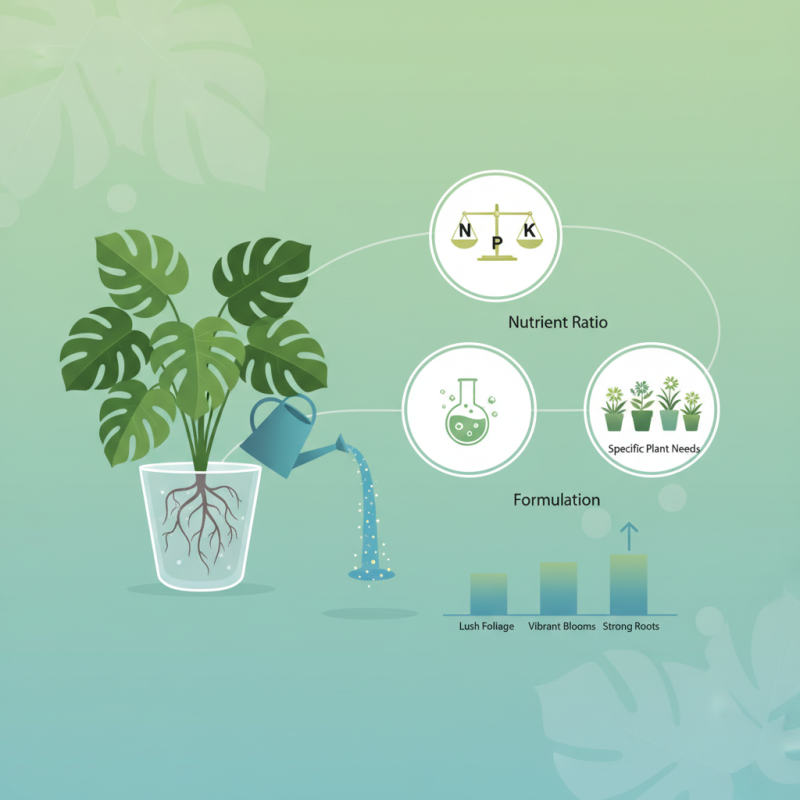
Water Soluble Indoor Plant Fertilizers are designed to be easily absorbed by plants, promoting rapid nutrient uptake and supporting lush foliage, vibrant blooms, and strong root systems. With the myriad of options available, choosing the best formula can seem daunting. Factors such as nutrient ratio, formulation, and the specific needs of your plants must be considered. In this guide, we will explore key indicators that can help you select the most effective Water Soluble Indoor Plant Fertilizer, ensuring that your green companions flourish indoors.
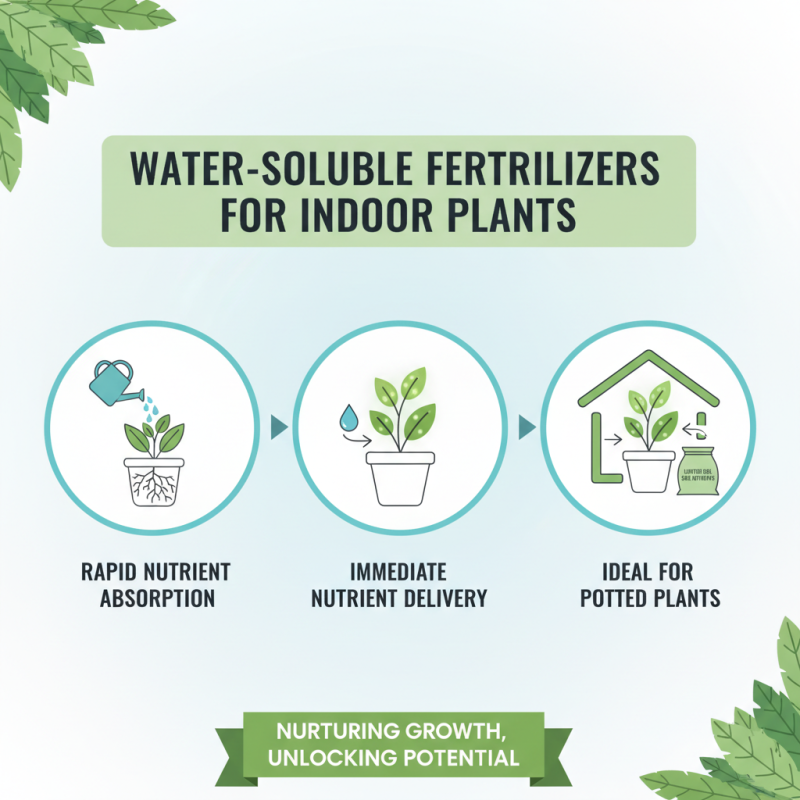
Water-soluble fertilizers play a crucial role in nurturing indoor plants, allowing them to thrive in an environment often lacking in natural nutrients. Unlike their slow-release counterparts, water-soluble fertilizers can be quickly absorbed by plants, making them particularly effective for immediate nutrient delivery. This rapid absorption is vital for indoor plants, which are often kept in pots containing limited soil and thus may experience nutrient depletion faster than those growing outdoors.
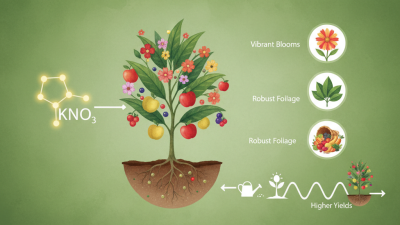
Understanding the importance of these fertilizers involves recognizing the specific needs of indoor plants, which may require different nutrient levels at various stages of growth. Water-soluble options enable precise control over the nutrient concentration, helping to prevent issues such as over-fertilization or nutrient deficiencies. Additionally, they can be easily mixed with water, providing a convenient way to ensure your plants receive the essential elements they need, such as nitrogen, phosphorus, and potassium. This careful balance is key to promoting healthy foliage, vibrant flowers, and robust root systems, ultimately leading to a flourishing indoor garden.
When selecting a water-soluble indoor plant fertilizer, understanding the key nutrients is fundamental to promoting optimal growth. The three primary macronutrients are nitrogen (N), phosphorus (P), and potassium (K). Nitrogen is crucial for vegetative growth and is vital for chlorophyll production, thus enhancing photosynthesis. According to a study by the American Society for Horticultural Science, nitrogen-rich fertilizers can increase leaf growth by up to 60% in certain houseplants, leading to more robust overall health.
Phosphorus is another essential nutrient, playing a vital role in energy transfer and root development. Research from the Journal of Plant Nutrition has shown that adequate phosphorus levels can enhance root length and density, which is particularly important in container gardening where roots may be restricted. Potassium, often referred to as the “quality nutrient,” helps in the regulation of stomatal conductance, contributing to better water use efficiency and disease resistance. A balanced water-soluble fertilizer with adequate potassium can lead to increased flowering rates and overall vitality, according to findings from the International Society for Horticultural Science.
In addition to these macronutrients, micronutrients such as magnesium, calcium, and iron should not be overlooked, as they contribute to various physiological processes and overall plant health. A comprehensive nutrient profile can significantly improve plant resilience and growth rates, with studies indicating that optimal fertilization strategies can increase growth by 15-20% compared to unfertilized plants. Therefore, when choosing a water-soluble fertilizer, it is imperative to assess the nutrient composition to meet your plants’ specific needs for successful indoor gardening.
| Nutrient | Importance | Common Sources | Recommended Ratio | Application Frequency |
|---|---|---|---|---|
| Nitrogen (N) | Promotes leaf growth | Urea, ammonium sulfate | 4-1-2 | Every 2-4 weeks during growing season |
| Phosphorus (P) | Supports root development and flowering | Superphosphate, bone meal | 2-1-2 | Every 4-6 weeks during growth |
| Potassium (K) | Enhances overall plant health and disease resistance | Potassium sulfate, wood ash | 3-1-2 | Every 4-6 weeks |
| Calcium (Ca) | Aids in cell wall structure and stability | Calcium nitrate, gypsum | Not specified | As needed |
| Magnesium (Mg) | Key component of chlorophyll | Epsom salts, dolomite lime | Not specified | As needed |
| Micronutrients | Support various physiological functions | Iron chelate, zinc sulfate | Trace amounts (depends on plant needs) | Monthly or as needed |
When selecting indoor plant fertilizers, there are several key factors to consider to ensure the healthy growth of your plants. First, assess the nutrient composition of the fertilizer. Most indoor plants thrive on a balanced ratio of nitrogen, phosphorus, and potassium (NPK). Nitrogen promotes lush green growth, phosphorus supports root development and flowering, while potassium enhances overall plant health and resistance. Depending on your specific plant needs, you may want to choose a fertilizer with a higher concentration of one element over others.
Another important aspect is the solubility of the fertilizer. Water-soluble fertilizers are particularly advantageous for indoor gardening as they can be easily absorbed by the root system when mixed with water. This provides a quicker nutrient boost compared to slow-release options. Additionally, consider the frequency and method of application—some fertilizers are designed for use during watering, providing a straightforward integration into your plant care routine.
Lastly, evaluate any specific requirements your plants may have, such as their growth stage or particular sensitivities to certain nutrients, which can influence your choice of fertilizer for optimal growth.
When selecting water-soluble fertilizers for indoor plants, it's crucial to understand the different types available and their specific uses. The two main categories of water-soluble fertilizers include complete fertilizers and specialized formulas. Complete fertilizers, which contain balanced ratios of nitrogen (N), phosphorus (P), and potassium (K), support overall plant health and growth. According to the International Plant Nutrition Institute (IPNI), using a balanced N-P-K ratio can significantly enhance the foliage and root development of indoor plants, making them robust and more resilient to environmental stressors.
On the other hand, specialized water-soluble fertilizers cater to the unique needs of particular plant types or growth stages. For instance, bloom boosters high in phosphorus are ideal for flowering plants, promoting vibrant blooms and healthy fruiting. Industry research indicates that plants receiving appropriate specialized fertilizers can produce up to 30% more flowers compared to those fed with generic fertilizers. Additionally, some formulations emphasize micronutrients like iron, magnesium, or calcium, which are vital for specific indoor plants, particularly those prone to deficiencies. The proper application of these targeted fertilizers can lead to enhanced color, growth rates, and overall health, aligning with the American Society for Horticultural Science's findings on nutrient management for optimal production.
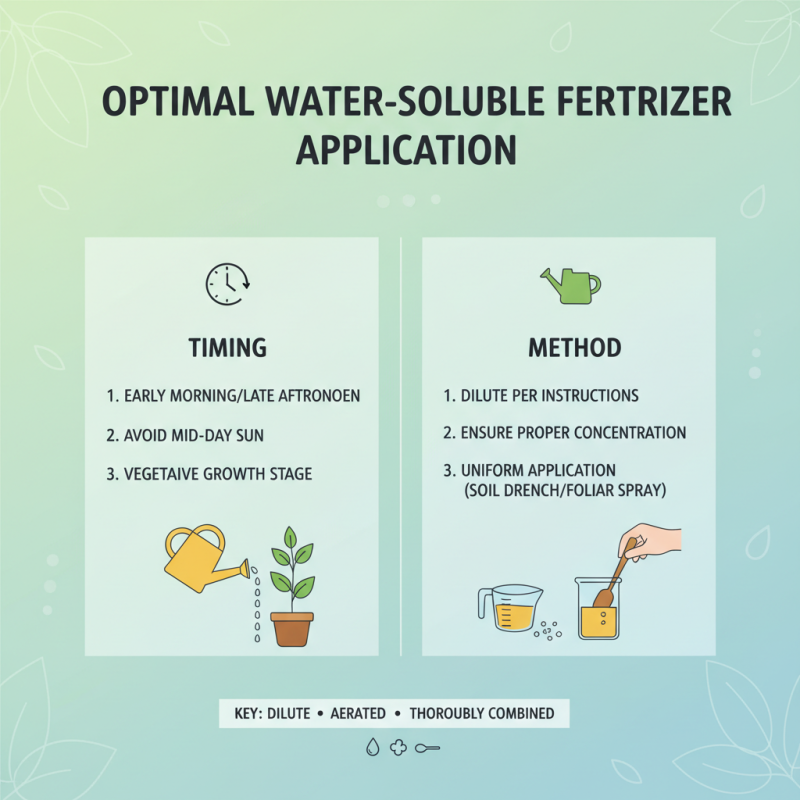
When it comes to applying water-soluble fertilizers effectively, timing and method play crucial roles in achieving optimal plant growth. Begin by diluting the fertilizer according to the manufacturer's instructions; this typically involves mixing a specific amount of granules or powder with water. It’s crucial to use the right concentration, as too strong a solution can harm your plants, while too weak may not provide the necessary nutrients. Always ensure that the mixture is well-aerated and thoroughly combined for an even distribution of nutrients.
The frequency of application depends on the type of indoor plants you have and their growth stages. Generally, applying the fertilizer every 2-4 weeks during the growing season is advisable, while you might reduce the frequency during dormancy periods. Watering plants thoroughly before application can enhance nutrient absorption, as it helps prevent shock and ensures that the roots are primed to take in nutrients. Additionally, observing your plants for signs of nutrient deficiency or over-fertilization can guide your application schedule and alterations in your fertilizing approach. Adjusting based on their response is key to maintaining their health and vibrancy.