Why Choose Potassium Nitrate Powder for Your Gardening Needs?
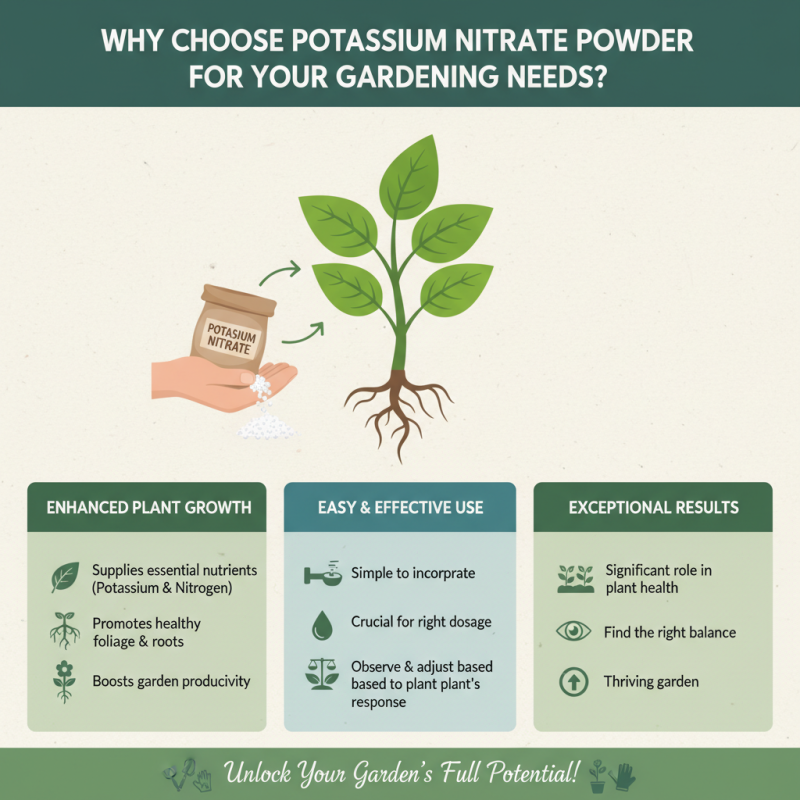
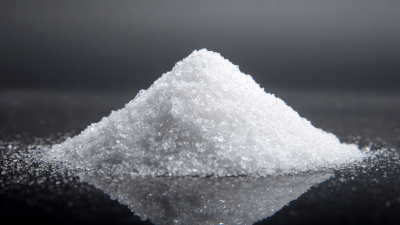
Gardening can be a rewarding experience. One essential element often overlooked is Potassium Nitrate Powder. This natural compound enhances plant growth and supports healthy development. With the right application, it can boost your garden’s productivity.
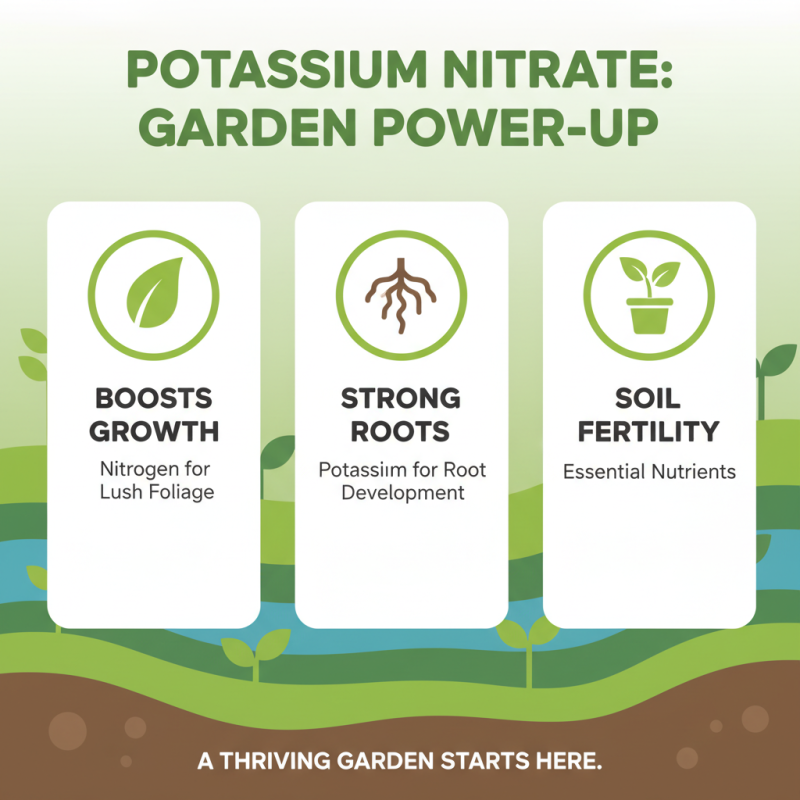
Potassium Nitrate Powder provides plants with vital nutrients. It supplies potassium and nitrogen, key components for healthy foliage and roots. Many gardeners find it easy to use and effective. However, understanding the right dosage is crucial. Too much can harm plants. It’s important to experiment and observe your garden’s response.
Incorporating Potassium Nitrate Powder into your gardening routine can lead to exceptional results. It may not be the only nutrient needed, but it plays a significant role. Gardeners should remain attentive and adjust their strategies based on plant needs. Ultimately, it’s about finding the right balance for a thriving garden.
Benefits of Potassium Nitrate Powder for Plant Growth
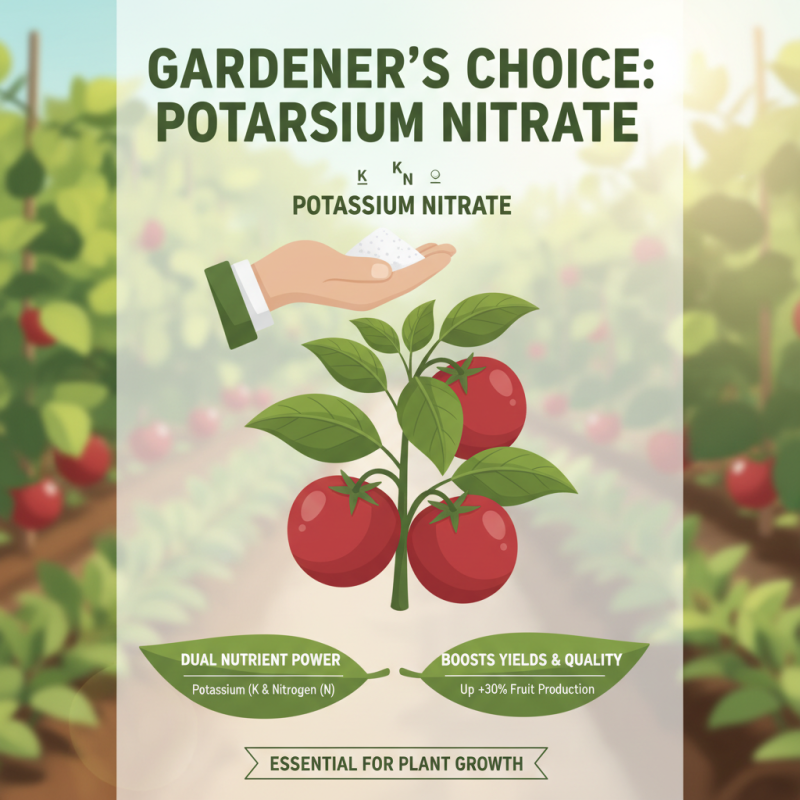
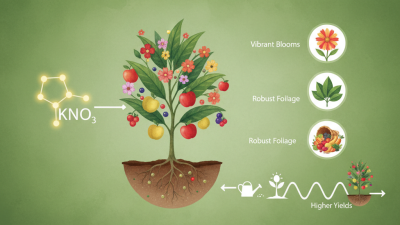
Potassium nitrate powder is a popular choice among gardeners for several reasons. It offers a rich source of both potassium and nitrogen. These nutrients are essential for plant growth. Research indicates that adequate potassium levels can improve fruit quality and increase yields. In fact, studies show that crops receiving potassium nitrate can yield up to 30% more than those that do not.
One key benefit is its quick absorption by plants. This means that effects can be seen in a short period. However, overapplication can lead to nutrient buildup, which may harm plants. Also, some gardeners might overlook proper dosage, risking their plants' health. Balancing this nutrient with others is crucial.
Moreover, potassium nitrate plays a role in photosynthesis. It facilitates the production of chlorophyll. This is vital for healthy foliage and plant vigor. While the advantages are clear, it's essential to monitor soil health regularly. Soil tests can help ensure that potassium levels are optimal. In a world where sustainable gardening practices are increasingly important, understanding and carefully applying potassium nitrate can lead to healthy plants and productive gardens.
Application Techniques for Using Potassium Nitrate in Gardening
Potassium nitrate powder offers vital nutrients for plants, particularly nitrogen and potassium. These elements are essential for plant growth and development. When used correctly, potassium nitrate can significantly enhance crop yield. According to a study by the International Plant Nutrition Institute, nitrogen sources like potassium nitrate can increase agricultural productivity by 30% or more.
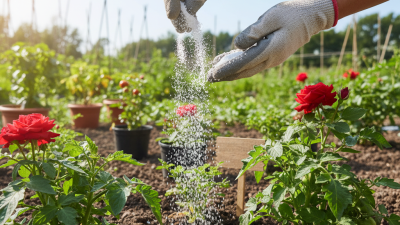
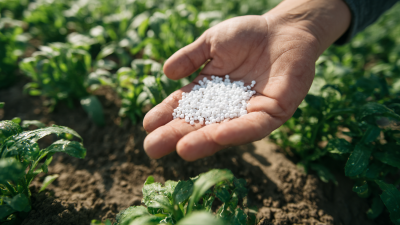
To effectively apply potassium nitrate, consider soil testing first. This helps to determine the nutrient needs of your plants. A balanced approach is vital. Overusing potassium nitrate can damage plants or lead to nutrient imbalances. Aim for a light application of around 10-15 grams per square meter, especially for vegetables. This promotes healthy foliage and robust root systems without over-fertilizing.
Foliar applications can also be beneficial. Spraying a diluted solution directly on leaves can facilitate rapid nutrient uptake. Research shows that applying potassium nitrate in this manner can accelerate growth rates by 20%. Timing is critical. Apply during the early morning or late afternoon to prevent evaporation. Be mindful, as excessive moisture can lead to fungal diseases. Testing different techniques and adjusting based on your specific garden conditions can yield the best results.
Why Choose Potassium Nitrate Powder for Your Gardening Needs?
This chart illustrates the effectiveness of potassium nitrate in various gardening applications, showing its impact on vegetable growth, flowering, fruit development, root strength, and soil nutrient levels. Potassium nitrate is proven to significantly enhance the health and yield of plants when applied correctly.
Comparing Potassium Nitrate with Other Fertilizers
Potassium nitrate is a popular choice among gardeners. It delivers essential potassium and nitrogen. These two nutrients play a crucial role in plant growth. When comparing potassium nitrate with other fertilizers, unique benefits emerge. For instance, a study by the International Fertilizer Industry Association states that potassium nitrate increases crop yields by up to 20%. This is higher than many conventional fertilizers that might not provide both nutrients effectively.
Moreover, potassium nitrate dissolves well in water, making it easily absorbable. This characteristic distinguishes it from granular fertilizers that may not break down quickly. Research shows that around 65% of nutrients remain in the soil using less efficient fertilizers. In contrast, potassium nitrate ensures more immediate availability for plants. However, overusing it can lead to salt build-up in the soil. Gardeners must find a balance for best results.
When choosing a fertilizer, it's crucial to understand specific plant needs. Some plants may require more nitrogen than potassium, or vice versa. A soil test can guide these decisions. While potassium nitrate offers advantages, it’s not a one-size-fits-all solution. Relying solely on it can lead to nutrient imbalances. Understanding these nuances is vital for sustainable gardening.
Safety Considerations for Handling Potassium Nitrate in Gardens
Potassium nitrate powder can be a beneficial addition to your gardening toolkit. However, safety is crucial when handling it. Always use gloves when applying potassium nitrate. It protects your skin and prevents irritation. A mask is also a good idea. Dust can irritate your respiratory system.
When storing potassium nitrate, keep it in a cool, dry place. Avoid exposure to moisture. Containers should be tightly sealed to prevent spills. This simple action can prevent accidents. Be mindful of where you keep it. Out of reach of pets and children is essential.
Tips: Always read safety data sheets if available. Understand the potential risks. Ensure you have proper ventilation when using the product. Make sure your workspace is tidy. It minimizes hazards and ensures a safe gardening experience. When in doubt, ask for advice from experienced gardeners. They may have insights that textbooks don’t cover.
Why Choose Potassium Nitrate Powder for Your Gardening Needs? - Safety Considerations for Handling Potassium Nitrate in Gardens
| Aspect |
Details |
| Chemical Composition |
Potassium Nitrate (KNO3) |
| Primary Uses |
Fertilizer, preservation, and food processing |
| Benefits for Plants |
Enhances growth, improves fruit development, and boosts flowering |
| Safety Precautions |
Wear gloves and goggles, avoid inhalation and ingestion |
| Handling Instructions |
Store in a cool, dry place; handle with care to prevent spills |
| Emergency Measures |
Rinse eyes for 15 minutes if contact occurs; seek medical help if ingested |