Why Choose Water Soluble Seedling Fertilizer for Your Plants?
As the demand for sustainable gardening increases, choosing the right fertilizer becomes crucial. Water Soluble Seedling Fertilizer is gaining popularity among both amateur and professional growers. Dr. Emily Green, a leading horticultural expert, emphasizes, "Healthy seedlings are the foundation of successful plants." This highlights the importance of starting with the right nutrients.
Water Soluble Seedling Fertilizer offers immediate availability of essential nutrients. This ensures seedlings receive the right support at crucial growth stages. However, many novice gardeners underestimate the challenges of using fertilizers. Over-fertilizing or improper ratios can lead to nutrient burn or stunted growth. Therefore, careful consideration and a balanced approach are key.
Ultimately, the choice of Water Soluble Seedling Fertilizer reflects a gardener's commitment to nurturing their plants. It's not merely about having the right product. Successful gardening involves ongoing observation and adjustments based on plant response. By understanding these dynamics, gardeners can enhance their growing experience.
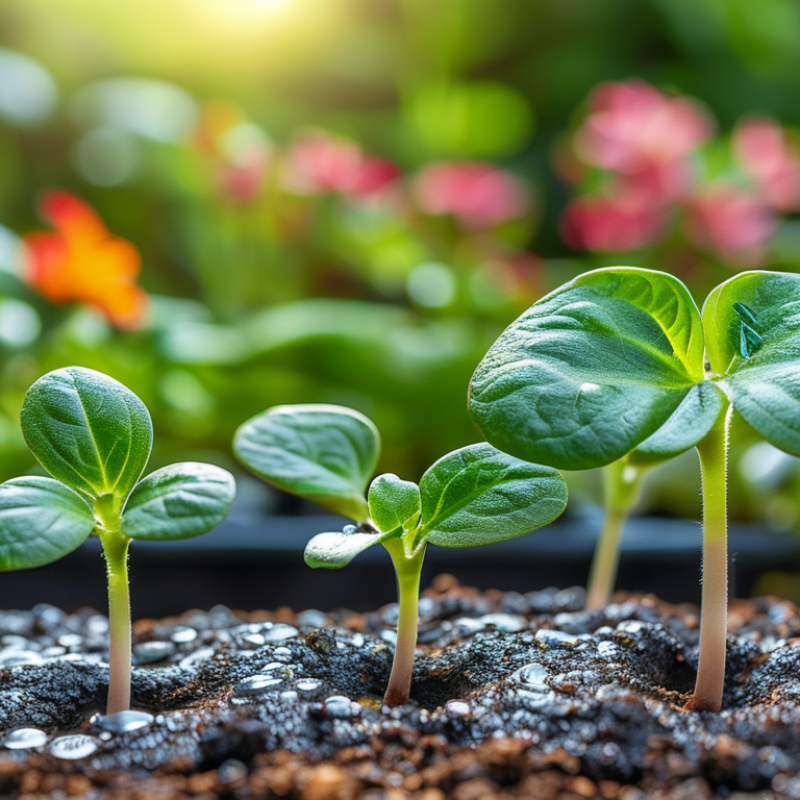
Understanding Water Soluble Fertilizers and Their Benefits
Water soluble fertilizers have gained popularity among both hobbyists and professional growers. These fertilizers dissolve easily in water, allowing them to be quickly absorbed by plants. According to the latest industry reports, water soluble fertilizers can enhance plant nutrient uptake by up to 30%. This means your plants can access essential nutrients faster, leading to improved growth and yield.
One significant benefit of water soluble fertilizers is their tailored formulation. Different plants require various nutrient ratios. For instance, a report from the American Society of Horticultural Science suggests that seedlings thrive with higher nitrogen levels. These fertilizers can meet specific nutrient needs efficiently. However, the potential risk of over-fertilization requires careful attention. Too much nutrient can harm plants, causing salt buildup in the soil.
In addition, water soluble fertilizers support better moisture management. They help maintain optimal soil moisture levels, crucial for seedling establishment. A study from the International Fertilizer Association found that these fertilizers can improve water use efficiency by 20%. This can be vital, especially in challenging climates. Yet, growers must balance application rates to avoid leaching and environmental issues. Careful monitoring ensures that plants benefit while minimizing risks.
The Role of Nutrients in Plant Growth and Development
Nutrients play a vital role in the growth and development of plants. Water soluble seedling fertilizers provide essential nutrients quickly and efficiently. These fertilizers dissolve in water, allowing plants to absorb the nutrients rapidly. This feature is particularly useful during the early stages of growth when seedlings need a boost.
Plants require nitrogen, phosphorus, and potassium, among other nutrients. Nitrogen promotes lush foliage, while phosphorus supports root development. Potassium helps in overall plant health and stress resistance. However, an imbalance can lead to issues. Too much nitrogen can cause weak, leggy plants. On the other hand, insufficient phosphorus can stunt root growth.
Using water soluble fertilizers can help mitigate these risks. They allow for precise nutrient management. However, care should be taken not to overfertilize. Overuse can damage plants and the surrounding environment. Regularly monitoring plant health and soil conditions is essential. This balance ensures healthy growth and development, fostering stronger plants in the long run.
Why Choose Water Soluble Seedling Fertilizer for Your Plants? - The Role of Nutrients in Plant Growth and Development
| Nutrient |
Function |
Deficiency Symptoms |
Water Soluble Source |
| Nitrogen (N) |
Promotes leaf growth and overall plant health |
Yellowing of leaves, stunted growth |
Ammonium nitrate, urea |
| Phosphorus (P) |
Supports root development and flowering |
Weak root system, delayed flowering |
Monoammonium phosphate (MAP) |
| Potassium (K) |
Enhances fruit quality and disease resistance |
Brown edges on leaves, poor fruit development |
Potassium sulfate, potassium nitrate |
| Calcium (Ca) |
Strengthens cell walls and root structure |
Blossom end rot, tip burn |
Calcium nitrate |
| Magnesium (Mg) |
Essential for photosynthesis |
Interveinal chlorosis, leaf curling |
Magnesium sulfate |
How Water Soluble Fertilizers Improve Soil Quality and Plant Health
Water soluble fertilizers offer distinct benefits for both
soil quality and plant health. They quickly dissolve in water, allowing
for faster nutrient absorption. This immediate availability is crucial for young
seedlings, as they need nutrients to establish robust roots.
Using these fertilizers can lead to healthier plants with vibrant growth. They can enhance the soil structure by
promoting microbial activity. Healthy microbes improve nutrient cycling, benefiting long-term soil quality.
However, not all water soluble fertilizers are created equal. It’s essential to choose the right nutrient mix for
specific plant needs. Over-application can lead to nutrient
runoff, harming local ecosystems. Fine-tuning the application is necessary to ensure optimal plant health without
adverse environmental impacts. Regular soil testing can help in understanding nutrient needs and soil conditions.
Plant health largely depends on balanced nutrition. Water
soluble fertilizers can effectively bridge any nutrient gaps. They provide essential elements like nitrogen,
phosphorus, and potassium in readily available forms. Nonetheless, it’s prudent to monitor plant response and
adjust fertilization practices accordingly. This reflection ensures plants receive adequate nutrition while minimizing
potential negative effects. Understanding the balance between nutrient input and soil health is key to sustainable gardening.
Application Methods for Optimal Use of Water Soluble Fertilizers
Water-soluble fertilizers are vital for plants. They provide essential nutrients quickly. Applying them correctly can yield spectacular results. Mix the fertilizer with water before application. This simple step allows plants to absorb nutrients effectively.
Use a sprayer or watering can for application. Ensure even distribution to avoid over-fertilizing. Over-fertilization can lead to root burn. This mistake reflects a lack of careful observation. Monitor your plants closely after application. Their response can guide future fertilizer use.
Adjust the concentration based on plant needs. Some plants thrive on stronger solutions. Others might suffer from excess. It's essential to experiment and learn. Keep track of your results. Documenting your findings will foster improvement in your approach. Embracing these nuances is key to successful gardening.
Comparing Water Soluble Fertilizers with Traditional Fertilizer Options
Water-soluble fertilizers offer distinct advantages over traditional options. They dissolve easily in water, allowing for quick absorption by plants. This feature promotes healthier growth and a more vibrant appearance. Traditional fertilizers, on the other hand, often take longer to release nutrients, which can be less effective at critical growth stages.
Moreover, water-soluble options enable precise application. Gardeners can adjust nutrient levels based on specific plant needs. This flexibility is not always available with granular fertilizers. However, it is essential to avoid over-fertilizing, as this can lead to root burn and other issues. Monitoring the plants’ responses is crucial in optimizing fertilizer use.
While water-soluble fertilizers are efficient, they require careful management. Improper use may lead to nutrient imbalances. It is vital to understand the specific requirements of your plants. Seeking advice from gardening experts can be beneficial. Balancing efficiency with caution is key to achieving the best results.