How to Choose the Best Water Soluble P Fertilizer for Your Needs?
Choosing the right fertilizer is crucial for healthy plant growth. Among various options, Water Soluble P Fertilizer stands out. This type of fertilizer provides phosphorus in a form plants can easily absorb. Phosphorus is vital for root development and flowering.
When selecting a Water Soluble P Fertilizer, consider the specific needs of your plants. Not all plants require the same nutrient ratios. Investigating the phosphorus content is essential. Some growers might overlook the importance of matching the fertilizer to their soil conditions.
Many brands offer different formulations, which can be overwhelming. Take your time to read reviews and compare products. Reflect on your past experiences with fertilizers to make an informed choice. Remember, the right decision can lead to vibrant gardens and fruitful harvests. Don't rush; each option deserves careful consideration.
Understanding the Importance of Water Soluble P Fertilizers in Plant Growth
Water soluble phosphorus (P) fertilizers play a crucial role in plant growth. Phosphorus is vital for energy transfer and photosynthesis. It helps in root development and flowering. Eager gardeners need to understand its importance for healthy plants. Water soluble forms allow for rapid absorption by roots, ensuring plants get what they need quickly.
Many growers struggle with choosing the right fertilizer. Different plants have unique phosphorus requirements. For example, leafy greens may need less than fruiting plants. It’s essential to consider specific needs. Over-fertilization can harm soil health and plant growth. Regular soil testing can provide insights.
Understanding formulations is also vital. Some fertilizers contain high concentrations of phosphorus, while others are balanced with nitrogen and potassium. It’s important to read labels carefully. Look for recommendations based on your soil type. A wrong choice may lead to nutrient imbalances. Reflecting on these factors will help you make informed decisions for a thriving garden.
Key Factors to Consider When Choosing Water Soluble P Fertilizers
Choosing the right water-soluble phosphorus (P) fertilizer can significantly impact plant growth. Understanding your soil's nutrient needs is paramount. According to the USDA, nearly 90% of soils are deficient in phosphorus. Conducting a detailed soil test is recommended. This helps identify existing nutrient levels. It ensures you apply the right amount of P fertilizer.
Consider the formulation of the fertilizer. Water-soluble products may have different P concentrations. The availability of phosphorus in different forms can vary. Reports suggest that monoammonium phosphate (MAP) offers quick phosphorus availability. Conversely, potassium phosphate can enhance both P and potassium levels. Tailor your choice based on specific crop requirements and growth stages.
Another vital factor is the application method. Some fertilizers are better suited for drip irrigation systems. Others may perform well in foliar applications. Research from the Fertilizer Institute indicates that proper application timing can improve nutrient uptake by over 30%. Be mindful of local regulations regarding fertilizer usage as well. These factors can greatly influence the effectiveness of your chosen product.
Comparing Different Types of Water Soluble P Fertilizers Available
When choosing a water-soluble phosphorus fertilizer, it's crucial to understand the different types available. These fertilizers vary in formulation, solubility, and nutrient release rates. For instance, some are quick-release, providing an immediate nutrient boost. Others offer slow-release options for sustained feeding over time. Identifying your plants’ needs will help you select the right type.
Consider the application method as well. Some fertilizers mix better in water, while others may leave residues. This residue can clog spray equipment. Testing a small batch can provide insights into how well the product dissolves. Keep in mind that not all plants respond well to the same phosphorus levels. Monitoring plant growth and adjusting accordingly can lead to better results.
Phosphorus is vital for root development and flowering. Yet, excessive use can harm plants. It’s essential to balance your approach. Observing how different fertilizers impact your garden can reveal valuable information. Each option presents both potential benefits and challenges. Reflecting on these aspects ensures you make an informed choice.
Application Methods for Water Soluble P Fertilizers in Gardening
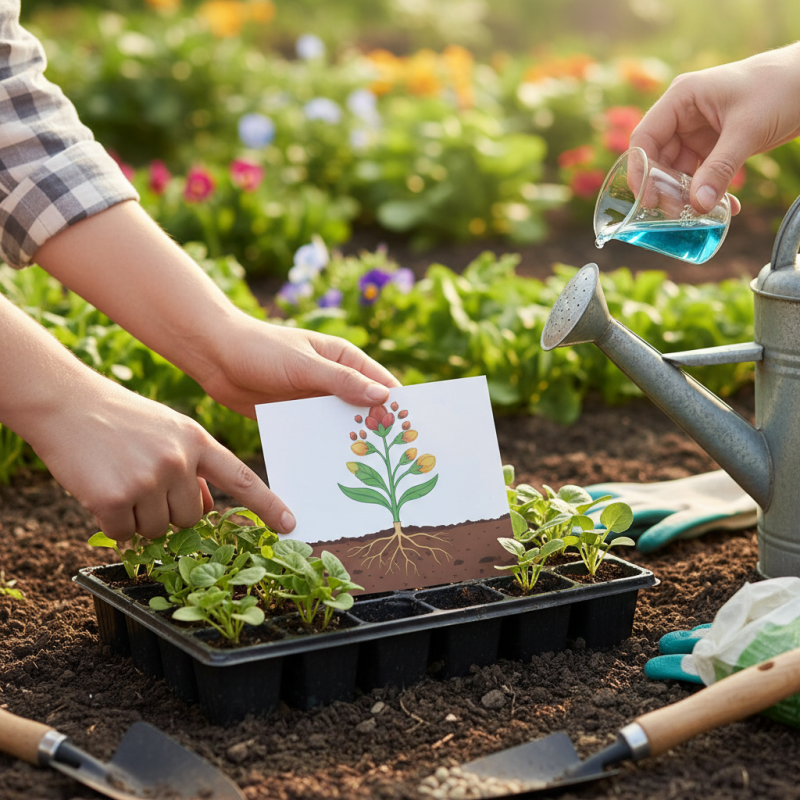
When applying water soluble phosphorus fertilizers in gardening, understanding application methods is key. One common method involves mixing the fertilizer with water before applying it to plants. This technique ensures that phosphorus is quickly absorbed. It’s best to dissolve the fertilizer in warm water, as this enhances solubility. Use a spray bottle or watering can to distribute it evenly.
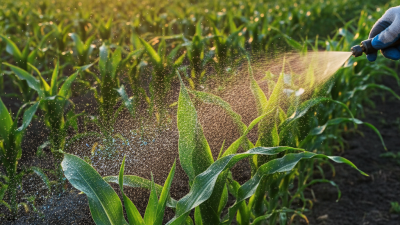
Foliar application is another effective method. Spraying a diluted solution directly onto plant leaves can promote quick nutrient uptake. Always select early morning or late evening for this method to avoid leaf burn. Adjusting the concentration is essential; too much can harm plants. Regular monitoring of plant response is crucial. Some plants might show signs of over-fertilization, indicating the need for adjustment.
Soil drenching is also popular among gardeners. This method involves pouring a diluted fertilizer mix directly onto the soil. It encourages roots to absorb phosphorus efficiently. However, over-saturation can lead to runoff. Assessing soil moisture beforehand is beneficial. This helps prevent waterlogging, ensuring that your plants thrive. Adapting your approach based on environmental conditions and plant types fosters better results.