How to Choose Water Soluble Nitrogen Rich Fertilizer?
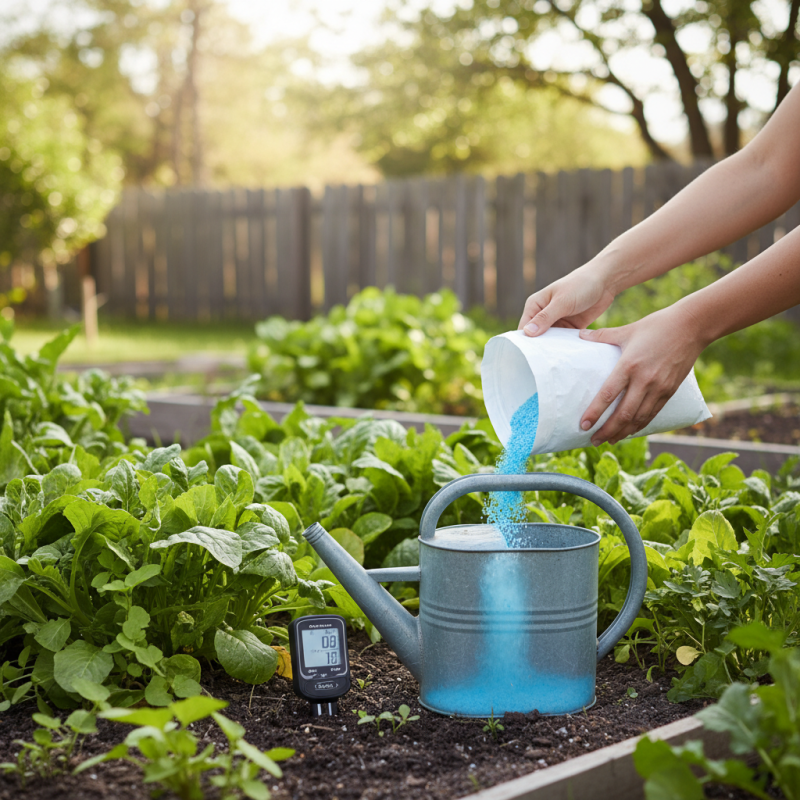
Choosing the right fertilizer can impact your garden’s health. A Water Soluble Nitrogen Rich Fertilizer is essential for plants. It provides quick nutrition and promotes leafy growth.
When selecting the best option, consider your plants' specific needs. Different types exist, so understanding them is crucial. A high nitrogen content supports growth but can be too much for some plants.
Think about application methods and frequency. Over-fertilization can harm your garden. Testing soil before applying fertilizer helps ensure proper use. This thoughtful approach ultimately leads to better results.
Understanding Water Soluble Nitrogen Rich Fertilizers and Their Benefits
Water soluble nitrogen-rich fertilizers are essential for promoting plant growth. They dissolve quickly in water, providing immediate access to nitrogen. This is especially beneficial for fast-growing plants, like vegetables and flowers. The nitrogen in these fertilizers fuels photosynthesis and helps develop lush foliage. However, not all plants need the same amounts of nitrogen. Over-fertilization can lead to problems, such as nutrient burn or environmental pollution.
Understanding the benefits is crucial. Water soluble fertilizers offer precision in application. Gardeners can mix them according to specific plant needs. This targeted approach can enhance growth without excess waste. Still, it’s important to monitor plant responses closely. Signs of nitrogen deficiency—like yellowing leaves—should prompt a fertilizer adjustment. Some gardeners overlook the importance of soil testing. This step can prevent unnecessary fertilizer use and promote a healthier garden environment.
Moreover, think about the timing of application. Water soluble fertilizers work best when plants are actively growing. Applying them during dormancy can waste resources. Reflecting on this, careful planning is necessary for optimal results. While these fertilizers have distinct advantages, they come with their own set of challenges. Balancing nutrient levels requires knowledge and observation.
How to Choose Water Soluble Nitrogen Rich Fertilizer? - Understanding Water Soluble Nitrogen Rich Fertilizers and Their Benefits
| Fertilizer Type |
Nitrogen Content (%) |
Solubility (g/L) |
Release Type |
Best Use Case |
| Urea |
46 |
1250 |
Fast Release |
Vegetable Gardens |
| Calcium Nitrate |
15.5 |
1000 |
Fast Release |
Hydroponics |
| Ammonium Nitrate |
34 |
920 |
Fast Release |
Field Crops |
| Potassium Nitrate |
13.7 |
420 |
Fast Release |
Fruit Trees |
| Monoammonium Phosphate (MAP) |
11 |
500 |
Fast Release |
Flowering Plants |
Identifying Key Characteristics of Quality Nitrogen Rich Fertilizers
Choosing a water-soluble nitrogen-rich fertilizer requires careful consideration. Look for fertilizers that are high in nitrogen, usually indicated by a higher first number in the N-P-K ratio. These fertilizers should dissolve easily in water. They are beneficial for rapid nutrient absorption by plants.
Quality nitrogen fertilizers often contain additional micronutrients. These elements support overall plant health. A balanced formulation can enhance growth and yield. Always check the ingredients list; avoid fillers that provide no benefit. Sometimes, the label may be misleading.
Pay attention to the granule size. Smaller granules dissolve quicker, allowing instant access to nutrients. However, larger granules may not dissolve well in all conditions. Reflect on your specific plant needs and soil type. Consider running tests if unsure about application rates.
Evaluating the Nitrogen Content and Composition in Fertilizers
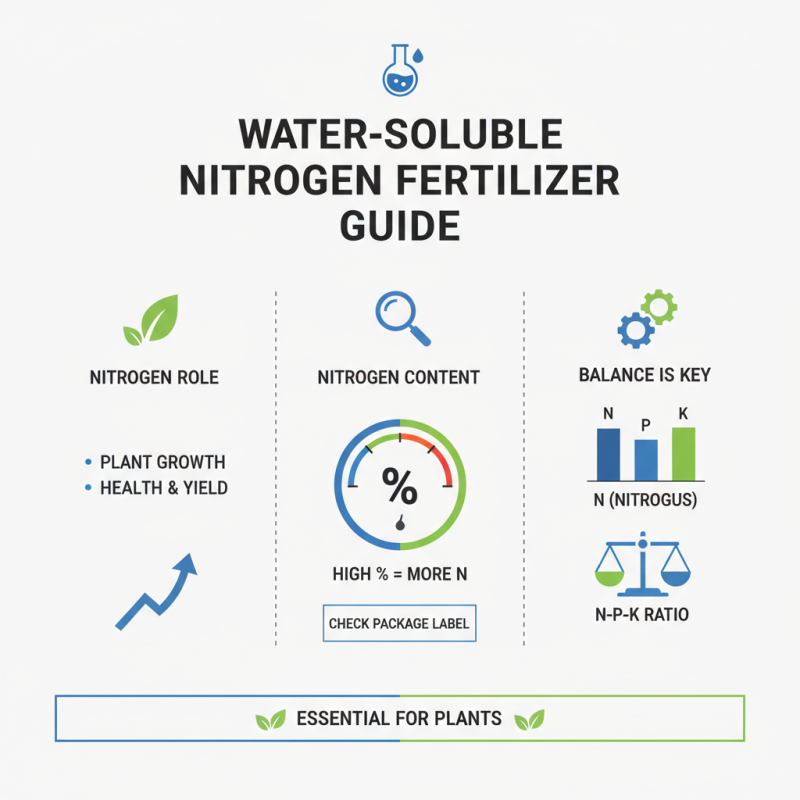
Choosing the right water-soluble nitrogen-rich fertilizer starts with understanding its nitrogen content and composition. Nitrogen is essential for plant growth, affecting their health and yield. Look for fertilizers with high nitrogen values. The percentage listed on the package indicates its nitrogen concentration. Higher numbers signify more nitrogen; however, balance matters.
Evaluate the composition as well. Besides nitrogen, other nutrients like phosphorus and potassium play a role. Some fertilizers have additional micro-nutrients, which can be beneficial. Remember, over-reliance on nitrogen can lead to issues. For example, excess nitrogen may cause lush growth with weak stems. Plants can become susceptible to pests and diseases.
Consider application methods as well. Fertilizers can be applied through soil or foliar feeding. Water-soluble options work quickly but can wash away if not used correctly. Understand your plants' needs. Soil testing can help determine your specific requirements. A tailored approach is often more effective than a one-size-fits-all solution.
Comparing Different Types of Water Soluble Fertilizers Available
Choosing a water-soluble nitrogen-rich fertilizer can be challenging. Various types are available, each with unique characteristics. Some fertilizers dissolve quickly, while others release nutrients slowly. You might prefer fast-acting options for immediate results.
When comparing types, look at the nitrogen content. Higher percentages deliver more nutrients. However, be cautious. Too much nitrogen can harm plants. Balanced formulas might be better for long-term growth. Also, consider the secondary nutrients. Some fertilizers include phosphorus and potassium, which are essential for plant health.
Tips: Pay attention to your soil type. Different soils require different nutrient levels. Conduct a soil test to understand your garden’s needs. Read product labels carefully. This helps you avoid over-fertilizing and the problems it brings. Adequate watering is crucial too. Water-soluble fertilizers need moisture to work effectively.
Comparison of Water Soluble Nitrogen Rich Fertilizers
This chart compares the nitrogen content in various types of water-soluble fertilizers, which are commonly used in agriculture and gardening to promote healthy plant growth. Higher nitrogen levels can enhance foliage growth and overall plant vigor.
Factors to Consider When Selecting a Fertilizer for Specific Plants
When selecting a water-soluble nitrogen-rich fertilizer, consider the specific needs of your plants. Different plants require different nitrogen levels. For instance, leafy vegetables thrive on higher nitrogen concentrations, while blooming plants may need balanced nutrients. A study by the American Society of Horticultural Science indicates that plants like lettuce can benefit from nitrogen levels around 200-300 ppm during growth.
Soil type and pH significantly influence nutrient availability. Sandy soils may leach nitrogen quickly, while clay soils retain it longer. Testing soil pH can guide you in choosing the right fertilizer. Many plants prefer a pH between 6.0 and 7.0. Data from the National Soil Survey show that adjustments in soil pH can lead to better nutrient absorption.
Application timing is also crucial. Nitrogen is best applied when plants are actively growing. However, applying too much can harm the plants. Over-fertilization can lead to nutrient runoff, affecting water sources. A report from the Environmental Protection Agency emphasizes that responsible fertilization is essential for sustainable gardening practices. Consider all these factors carefully to select the best fertilizer for your garden’s needs.