10 Essential Tips for Using Calcium Nitrate Fertilizer Effectively?
Calcium Nitrate Fertilizer is a key component in modern agricultural practices. Dr. Emily Carter, a renowned agronomist, emphasizes its role in plant health: "Using Calcium Nitrate Fertilizer correctly can significantly enhance crop yields." This insight serves as a foundation for understanding its effective use.
Farmers often overlook the specific needs of their crops. Applying too much or too little Calcium Nitrate Fertilizer can lead to poor results. It's essential to recognize that the right amount varies by plant species and growth stage. Ignoring soil tests can also result in ineffective applications.
Practical knowledge is crucial in utilizing Calcium Nitrate Fertilizer effectively. Many users fail to consider environmental factors like soil pH and moisture levels. These elements can drastically influence the fertilizer's efficacy. A careful approach, backed by soil science, can improve outcomes significantly. Understanding the nuances of this fertilizer is vital in achieving optimal crop production.

Understanding Calcium Nitrate Fertilizer and Its Benefits
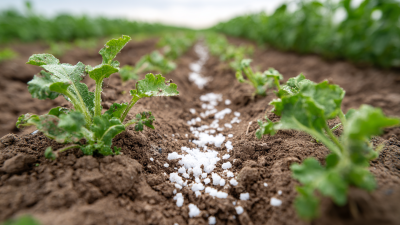
Calcium nitrate fertilizer offers numerous benefits for plant growth and soil health. This compound provides both calcium and nitrogen, two essential nutrients. Calcium strengthens cell walls in plants, promoting sturdier growth. Nitrogen, on the other hand, enhances leaf and stem development. According to the International Fertilizer Association, plants receiving adequate calcium show up to 30% better growth rates.
When using calcium nitrate, consider the timing. Applying it during early growth stages helps seedlings establish strong systems. The best results occur when applied in conjunction with watering. Use split applications to ensure that plants absorb nutrients efficiently. For instance, applying it every few weeks can yield better results than a singular, heavy dose.
Monitor soil pH to maintain optimal nutrient uptake. Calcium nitrate works best in slightly acidic to neutral soil. Over-applying can lead to nutrient imbalances. Some growers report seeing calcium deficiency symptoms despite using calcium nitrate, which could be due to poor soil conditions or other deficiencies. Being observant of plant health can guide your adjustments.
Determining the Appropriate Application Rate for Calcium Nitrate
Determining the right application rate for
calcium nitrate fertilizer is crucial for
optimal plant health. This granular fertilizer provides both
calcium and
nitrogen, essential nutrients for various
crops. However, incorrect application can lead to
nutrient imbalances or even harm your plants.
Understanding your soil's nutrient profile is a good starting point. You can conduct a soil test to
assess existing nutrient levels.
Follow recommended application rates based on crop needs. Generally, about 20 to 30 grams per square meter works well for many vegetables.
However, individual requirements can differ. When in doubt, consult local agricultural extension services
for tailored advice. Monitoring your plants' response after application is also vital. If leaves show
signs of yellowing, it may indicate
over-application. Adjust accordingly for future use.
Timing matters too. Apply calcium nitrate during active growth periods.
For some crops, a split application can enhance nutrient uptake.
Rain or irrigation also influences how the nutrients are delivered to your plants. Make sure to account for
weather conditions when applying this fertilizer.
Sometimes, the weather can throw a wrench in your plans, complicating effective use.
Keep an eye on your garden's health and be ready to adapt.
Timing Your Calcium Nitrate Application for Best Results
Timing your calcium nitrate application is crucial for maximizing plant health and yield. Apply calcium nitrate when plants are actively growing. This generally coincides with periods of high nitrogen demand, such as during flowering or fruit development stages. Observing the growth stages will help determine the right moment for application.
Consider seasonal factors like temperature and humidity. Warm weather increases plant nutrient uptake, making it a prime time for calcium nitrate. However, excessively high temperatures can lead to nutrient loss. Adjust your application timing if the weather fluctuates unexpectedly. Moreover, monitor soil moisture levels. Applying fertilizer to dry soil may lead to nutrient lock-up, preventing the plant from benefiting from it. It’s wise to ensure adequate moisture before applying. Even with the best intentions, it’s important to reflect on your applications. Analyzing previous growth seasons can help refine your timing strategy. Mistakes in timing can lead to suboptimal results, but they also provide learning opportunities.
Calcium Nitrate Application Timing and Impact
This chart illustrates the impact of calcium nitrate application at different times of the growing season on plant growth response measured in centimeters. Early and mid-spring applications yield the best growth outcomes.
Combining Calcium Nitrate with Other Nutrients for Optimal Growth
Calcium nitrate is a powerful fertilizer. It offers not only calcium but also nitrogen. Combining calcium nitrate with other essential nutrients leads to optimum growth in plants.
Research indicates that plants require a balanced nutrient mix. For instance, combining calcium nitrate with potassium can enhance yield. A study by the University of California found that using calcium nitrate alongside potassium resulted in a 20% increase in crop yield. This synergy improves nutrient uptake and strengthens plant health.
However, careful management is necessary. Overapplication can lead to nutrient imbalances. Excess nitrogen can harm soil microbes. Monitoring soil nutrient levels is crucial. Adjusting the application based on soil tests ensures plants receive the right nutrients in the right amounts. Striking this balance can be challenging but pays off with healthier, more productive plants.
10 Essential Tips for Using Calcium Nitrate Fertilizer Effectively
| Tip |
Description |
Best Time to Apply |
Combination Nutrients |
| 1. Understand Soil pH |
Test your soil pH to determine if calcium nitrate is suitable. |
Before planting |
N/A |
| 2. Use Correct Ratios |
Follow recommended application rates to prevent nutrient burn. |
During growth phase |
Phosphorus |
| 3. Monitor Weather Conditions |
Avoid application before heavy rain to reduce runoff. |
Before storms |
Potassium |
| 4. Mix with Water |
Dissolve in water for an even application. |
At planting |
Magnesium |
| 5. Watch for Signs of Deficiency |
Look for leaf curl or blossom end rot as indicators. |
Mid-growth |
Sulfur |
| 6. Apply Foliar Spray |
Use as a foliar feed for immediate nutrient uptake. |
Early morning or late afternoon |
Boron |
| 7. Rotate Crops |
Change planting areas to prevent soil depletion. |
At the end of harvest |
Compost |
| 8. Store Properly |
Keep in a cool, dry place to preserve efficacy. |
N/A |
N/A |
| 9. Use in Combination with Organic Fertilizers |
Enhances nutrient availability and soil health. |
Throughout growth |
Nitrogen sources |
| 10. Regular Assessment |
Test soil and plant health periodically for adjustments. |
Every season |
All major nutrients |
Monitoring Plant Response to Calcium Nitrate Fertilization Techniques
Monitoring plant response to calcium nitrate fertilization is crucial for optimal growth. When using this fertilizer, observe your plants closely. Look for signs of nutrient deficiency or excess. Yellowing leaves may indicate a lack of nitrogen, while burnt leaf edges can signal over-fertilization. Adjusting your calcium nitrate application based on these signals can enhance plant health.
Conduct soil tests to inform your fertilization strategy. Understanding the existing nutrient levels will help tailor your approach. Analyzing plant tissue can also provide insights into nutrient uptake. Make sure to record plant performance after applying calcium nitrate. This data can guide future applications and prevent overuse. It's essential to refine your techniques to ensure the best results.
Some plants may react differently to calcium nitrate. Not every application will yield ideal outcomes. Factors like water availability and soil type can affect how well your plants benefit. Keep an open mind and be prepared to make adjustments. This approach leads to a more successful fertilization strategy, improving overall plant vitality.