Potassium Nitrate Benefits and Usage Tips for Buyers
Potassium Nitrate is a compound known for its diverse applications. According to Dr. Emily Carter, an expert in agricultural chemistry, "Potassium Nitrate is a versatile substance that enhances plant growth." This statement highlights its importance in various industries, especially agriculture.
Farmers often use Potassium Nitrate in fertilizers. It provides essential nutrients like potassium and nitrogen. Both are crucial for plant health. This compound can also improve the quality of fruits and vegetables. However, proper usage is vital. Over-application can lead to soil imbalances.
In the food industry, Potassium Nitrate serves as a preservative. It enhances flavor and extends shelf life. Caution is necessary, as excessive consumption may raise health concerns. Understanding the correct dosage and application methods is essential for safety and effectiveness.
Benefits of Potassium Nitrate in Agriculture
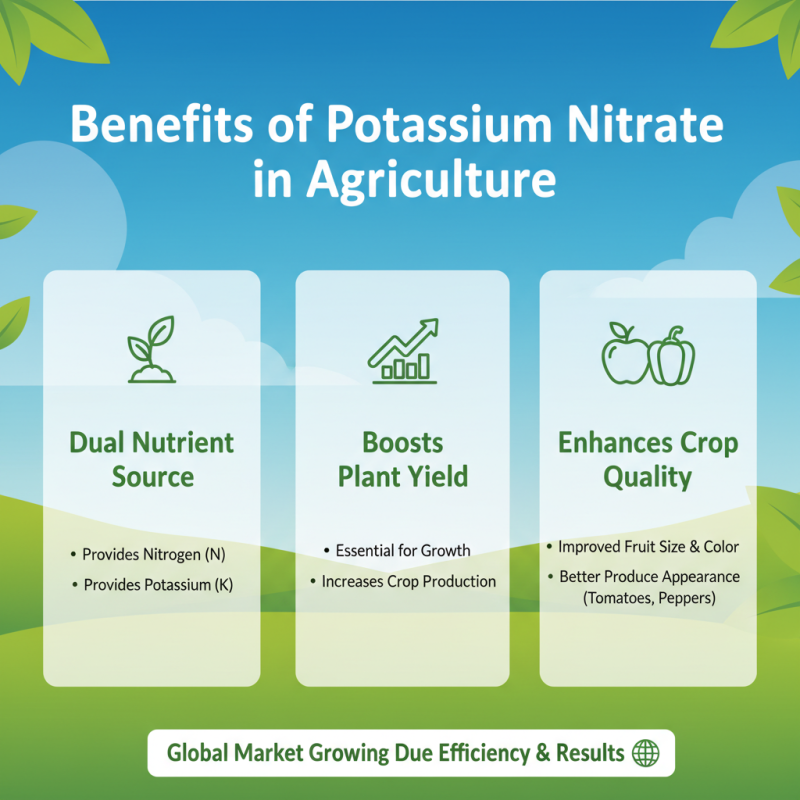
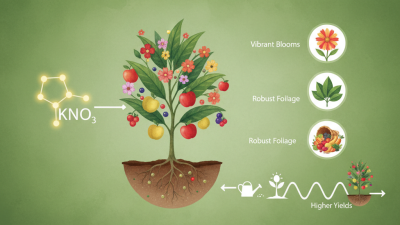
Potassium nitrate (KNO3) is a versatile compound widely utilized in agriculture for various purposes. It serves as an excellent source of nitrogen and potassium, essential nutrients for plant growth. According to industry reports, the global potassium nitrate market in agriculture is projected to grow significantly, driven by its efficiency in boosting plant yield. Farmers report improved crop quality when potassium nitrate is used effectively. Studies show that KNO3 can enhance fruit size and color in crops like tomatoes and peppers.
Application techniques vary among farmers. Some use foliar sprays, which allow nutrients to be absorbed directly by plants. Others incorporate potassium nitrate into the soil during planting. A recent survey indicated that 70% of agricultural experts recommend this dual application for optimal results. Despite its benefits, some growers struggle with dosage. Over-application can lead to nutrient imbalances, affecting plant health. Researchers emphasize the need for proper soil testing before application.
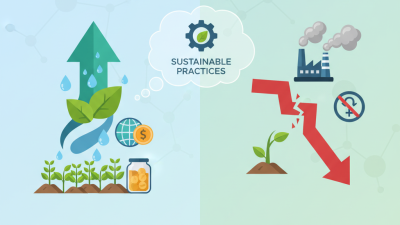
Moreover, the cost of potassium nitrate can be a barrier for some farmers. With fluctuating prices, many look for more cost-effective alternatives. However, switching nutrients may lead to lower crop yields. In this changing landscape, staying informed about potassium nitrate's benefits and challenges is crucial for maximizing agricultural productivity. Adjusting strategies while considering environmental impact is vital for sustainable farming practices.
Key Industrial Applications of Potassium Nitrate
Potassium nitrate is a versatile compound with several industrial applications. Its use in fertilizers is significant, helping to enhance plant growth. According to a 2021 market research report, potassium nitrate accounts for approximately 15% of the global fertilizer market. This emphasizes its crucial role in agriculture, especially in regions with potassium-deficient soils.
In the food industry, potassium nitrate acts as a preservative and color fixative in meats. It helps maintain the pink color and extends shelf life. The food processing sector has adopted this compound extensively, with the market expected to grow at a CAGR of 5.1% to reach $1.2 billion by 2025. However, it's essential to consider health implications and food safety regulations when using it.
Another significant application is in the pyrotechnics industry. Potassium nitrate serves as an oxidizing agent in fireworks, contributing to vibrant colors and effects. This application highlights the compound's intricate relationship with safety and regulatory standards. While potassium nitrate enhances performance, improper handling can lead to safety concerns. Thus, adherence to industry regulations is crucial for safe usage.
Potassium Nitrate Applications in Various Industries
This chart illustrates the key industrial applications of potassium nitrate across various sectors, highlighting the estimated usage volume in tonnes. Agriculture is the largest consumer due to its role as a fertilizer, followed by food preservation and pharmaceuticals.
Health Benefits and Safety Considerations of Potassium Nitrate
Potassium nitrate is often used in various applications, but its health benefits and safety precautions are
crucial. This compound can enhance fertilizer efficiency in agriculture. Studies indicate that potassium nitrate can improve
plant growth by up to 25%. Such data highlights its importance in boosting crop yields and agricultural sustainability.
However, it's vital to approach potassium nitrate with caution. The World Health Organization suggests that excessive consumption can lead to
health risks. For instance, high intake may result in methemoglobinemia, a condition affecting oxygen transport in blood.
Individuals should limit their exposure and follow safety guidelines during handling.
When considering potassium nitrate, users must assess their needs responsibly. This compound can stabilize soil nutrients but
should be used wisely. Miscalculation in application can lead to environmental impact and health concerns. Proper education on usage can ensure that users benefit from potassium nitrate
while safeguarding their health and the ecosystem.
Practical Tips for Using Potassium Nitrate at Home
Potassium nitrate, often found in many households, offers various practical uses. It serves as an effective fertilizer. When mixed with soil, it boosts plant growth and enhances crop yield. For aspiring gardeners, it's crucial to measure accurately. Over-application can harm plants. Each plant has unique needs, so always do your research.
Another common use is in food preservation. Potassium nitrate can be a natural preservative in certain meat products. Yet, users must understand safe quantities to avoid potential health risks. A small amount goes a long way, so don’t rush the process. Monitoring is important. Keep track of how much you add.
Safety should always be a priority. Store potassium nitrate in a cool, dry place away from children and pets. If spills occur, clean them up immediately. Users sometimes overlook this safety aspect, leading to accidents. Awareness and caution are key. By following these guidelines, you'll find potassium nitrate beneficial in your household activities.
Potassium Nitrate Benefits and Usage Tips for Buyers
| Benefit |
Usage |
Tips |
| Enhances Plant Growth |
Use as a fertilizer for flowering plants |
Dilute in water for best results |
| Improves Soil Fertility |
Mix into soil before planting |
Test soil pH for optimal application |
| Food Preservation |
Use in curing meats |
Follow recipes to ensure safety |
| Signal Reflector in Fireworks |
Incorporate in pyrotechnics |
Handle with care and follow safety guidelines |
| Cooling Agent in Certain Processes |
Use in refrigeration systems |
Consult with professionals for correct usage |
Buying Guide: What to Look for When Purchasing Potassium Nitrate
When purchasing potassium nitrate, several factors should be considered.
Quality is paramount. Buyers should seek products with a high purity level.
Impurities can affect performance. Checking for certifications or third-party testing can provide assurance.
Looking into the source is essential. Potassium nitrate can vary in origin, which may affect its suitability for different applications.
Researching suppliers or manufacturers can enhance trust.
Don't overlook the size of the granules. Fine particles dissolve more quickly, while larger ones can release nutrients slowly.
Consider your specific needs before making a choice.
Price often reflects quality, but not always. It's crucial to compare options.
Sometimes, cheaper products may lack necessary purity. Testimonials or reviews can be helpful. However, they can also be biased.
Ensure to seek multiple viewpoints. It's important to remain critical.
Finding potassium nitrate takes effort, but informed decisions lead to better outcomes.