How to Use Potassium Nitrate Powder for Gardening and Plant Growth
Potassium Nitrate Powder has emerged as a vital component in the realm of gardening and plant growth, offering a wealth of benefits for both amateur and professional horticulturists alike. This naturally occurring compound is rich in potassium and nitrogen, two crucial nutrients that play a significant role in promoting healthy plant development. By understanding how to effectively utilize Potassium Nitrate Powder, gardeners can significantly enhance their soil quality, stimulate plant growth, and ultimately yield more robust crops.
In the following sections, we will delve into the various applications of Potassium Nitrate Powder, exploring its role as a fertilizer, its impact on plant health, and the best practices for incorporating it into your gardening routine. Additionally, we will highlight the advantages of using this versatile powder, including improved flowering, fruiting, and overall plant vitality. Whether you're aiming to create a lush garden or simply seeking to strengthen your potted plants, knowledge of Potassium Nitrate Powder and its proper usage can lead to impressive gardening results.
Understanding Potassium Nitrate: A Key Fertilizer in Gardening
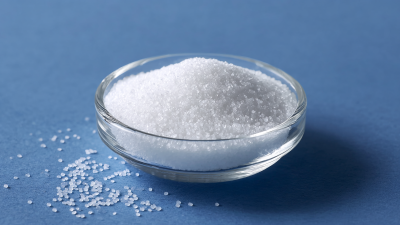
 Potassium nitrate, often referred to as saltpeter, is a vital fertilizer in gardening that provides essential nutrients for optimal plant growth. This naturally occurring compound contains both potassium and nitrogen, which are crucial for various physiological processes in plants, including nutrient uptake, growth regulation, and flowering. Understanding the role of potassium nitrate allows gardeners to enhance soil fertility and promote vibrant, healthy plants.
When applying potassium nitrate, it's important to consider the correct timing and method to maximize its benefits. Using it during the active growing season can significantly boost plant vigor and improve yields. Additionally, potassium nitrate is water-soluble, making it easy to incorporate into irrigation systems or apply as a foliar spray, ensuring that plants receive nutrients efficiently.
**Tips:** To prevent over-fertilization, conduct a soil test to determine existing nutrient levels before application. Start with a lower concentration to observe how your plants respond, and adjust as necessary. Moreover, for best results, combine potassium nitrate usage with organic matter, like compost, to enhance soil structure and microbial activity.
The Role of Potassium Nitrate in Plant Growth and Development
Potassium nitrate, commonly referred to as saltpeter, plays a crucial role in the growth and development of plants. It serves as a vital source of potassium and nitrogen, two essential nutrients that contribute significantly to various physiological processes within plants. Nitrogen is primarily involved in the synthesis of amino acids and proteins, while potassium enhances water regulation, enzyme activation, and photosynthesis. According to the International Fertilizer Association, potassium is essential for promoting flowering and fruiting, ultimately boosting crop yields.
Research has shown that adequate potassium levels can improve plant health and resistance to diseases and adverse environmental conditions. A study published in Plant and Soil highlighted that potassium applications can lead to increased biomass and improved quality of produce. Field trials indicated that crops treated with potassium nitrate exhibited a marked enhancement in both fruit size and nutrient density. Additionally, the potassium helps to balance the effects of nitrogen in plants, as excessive nitrogen can lead to weak growth. Therefore, the judicious application of potassium nitrate not only supports robust overall plant development but also optimizes agricultural productivity.
Application Methods: How to Effectively Use Potassium Nitrate Powder
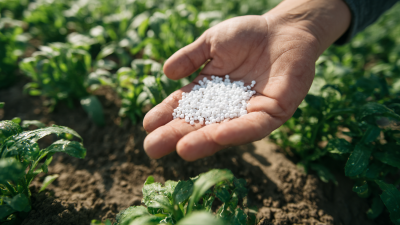
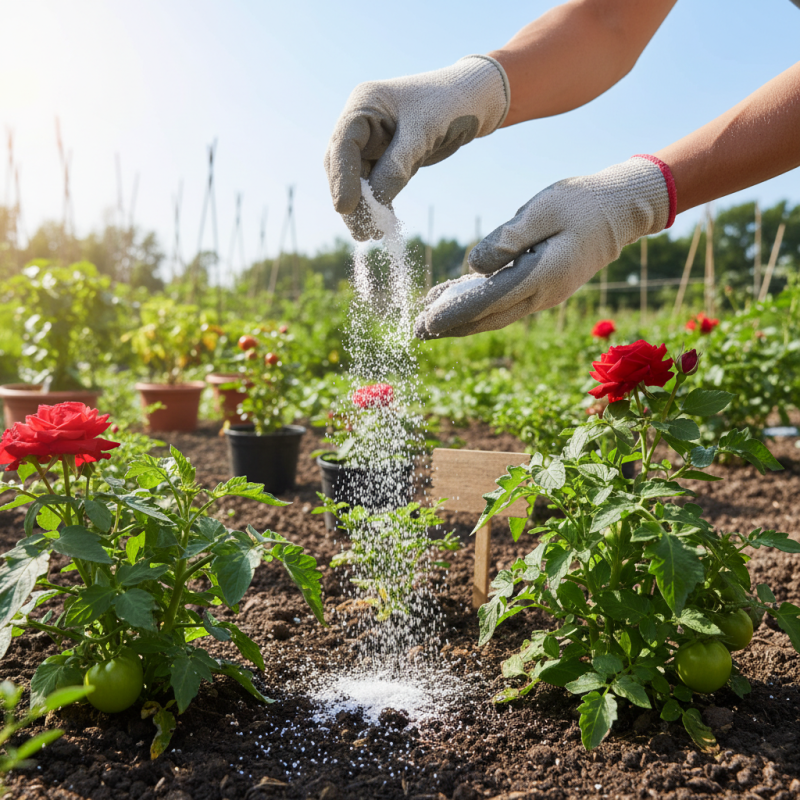
When using potassium nitrate powder in gardening, it’s essential to apply it effectively to maximize its benefits for plant growth. One popular method is to dissolve the powder in water to create a nutrient-rich solution. Typically, a ratio of about 1 tablespoon of potassium nitrate to a gallon of water is recommended. This liquid fertilizer can be used as a foliar spray, providing nutrients directly to the leaves, or as a soil drench to feed the roots. Applying it during the early morning or late afternoon helps minimize evaporation and ensures better absorption by plants.
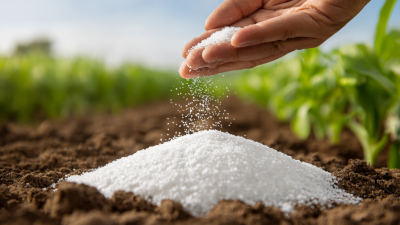
Another application technique involves mixing potassium nitrate into the soil. Before planting, it can be incorporated into the top few inches of soil to provide essential nitrogen and potassium, which are crucial for healthy plant development. This method is particularly effective for crops that demand high nutrient levels, such as tomatoes and peppers. Additionally, careful monitoring of soil nutrient levels is crucial to avoid over-fertilization, which can harm plants. Therefore, using potassium nitrate should be part of a broader soil management strategy to maintain balance and promote optimal growth conditions.
Recommended Dosages of Potassium Nitrate for Various Plants
When it comes to enhancing plant growth, potassium nitrate powder can play a crucial role by providing essential nutrients. The recommended dosages vary depending on the type of plant you are cultivating. For fruit-bearing plants, such as tomatoes and peppers, a common dosage is approximately 0.5 to 1.0 ounces per gallon of water. This helps to stimulate fruit development and improve overall yield. It’s usually beneficial to apply this solution during the flowering stage, ensuring the plants are adequately nourished.
For leafy vegetables like spinach and lettuce, a lesser amount is advisable. Typically, 0.25 ounces per gallon of water can suffice. This ensures that the plants receive enough potassium to promote strong leaf growth without compromising the flavor or texture of the vegetables. It's best to apply this mixture every two to three weeks during the growing season to maintain healthy growth. Following these guidelines can help optimize the use of potassium nitrate, leading to healthier plants and improved harvests.
Potential Risks and Safety Precautions When Using Potassium Nitrate
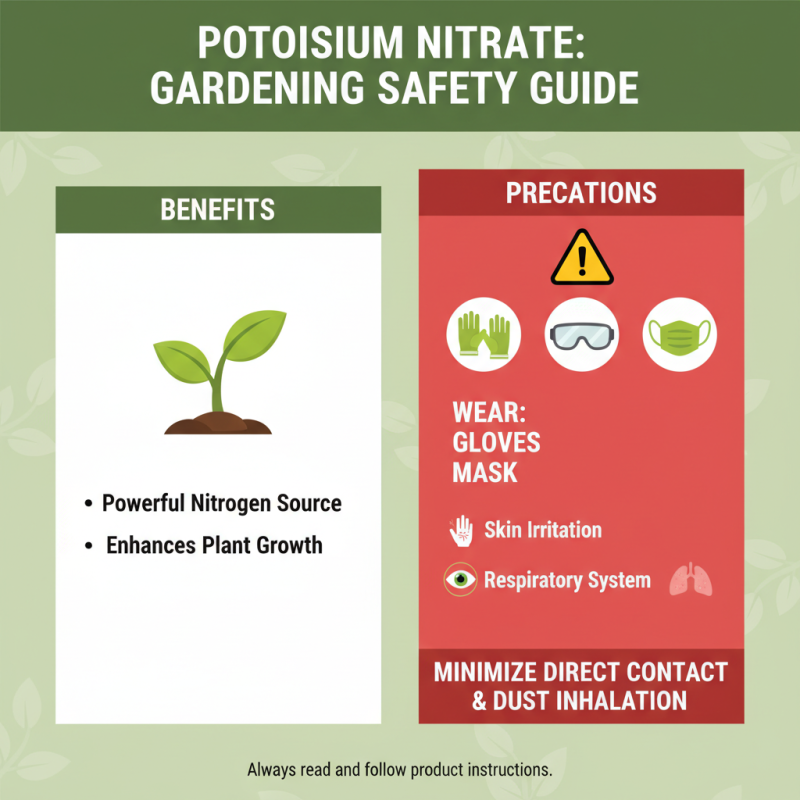
When using potassium nitrate powder in gardening, it is crucial to be aware of potential risks and necessary safety precautions. Potassium nitrate is a powerful nitrogen source that can significantly enhance plant growth, but it can also pose health risks if not handled properly. Prolonged exposure to the powder can irritate the skin, eyes, and respiratory system. Therefore, wearing gloves, goggles, and a mask is recommended during application to minimize direct contact and inhalation of dust.
Additionally, improper use of potassium nitrate can lead to nutrient imbalances in the soil or excessive nitrogen levels, which could harm plants rather than support their growth. It's essential to follow recommended application rates and to conduct soil tests before introducing this compound into your gardening routine. Moreover, keep potassium nitrate stored in a cool, dry place, away from children and pets, to prevent accidental ingestion or misuse. Following these precautions will ensure that you can safely benefit from potassium nitrate’s advantages while minimizing any potential risks.