Potassium Nitrate Tips for Global Buyers to Maximize Value?
Potassium Nitrate is a versatile compound used in various industries, from agriculture to food preservation. Understanding its applications and market dynamics can greatly enhance purchasing decisions for global buyers. The strategic use of Potassium Nitrate can improve crop yields significantly, making it a favorite among farmers. However, navigating the complexities of sourcing this essential material poses challenges.
Key factors influence the value of Potassium Nitrate. Buyers need to account for quality standards and sourcing locations. Different grades of this compound can impact overall cost-effectiveness. Diversifying suppliers can provide leverage in negotiations and create more opportunities.
Attention to market trends is critical. Price fluctuations and demand spikes can alter buying strategies. Buyers must stay informed and adaptable. Relying too heavily on one source can pose risks, especially when unexpected shortages arise. Exploring multiple avenues can help mitigate these potential pitfalls. Ultimately, having a well-rounded approach will maximize the benefits of Potassium Nitrate in any purchasing strategy.

Understanding Potassium Nitrate: Composition and Uses
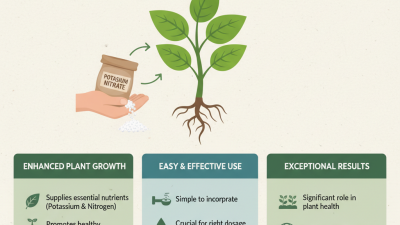
Potassium nitrate, a chemical compound with the formula KNO₃, plays a crucial role in various industries. Its primary uses include fertilizers, food preservation, and pyrotechnics. In agriculture, it enhances nutrient absorption, providing crops with essential potassium and nitrogen. According to a report from Grand View Research, the global potassium nitrate market was valued at approximately USD 3.91 billion in 2021 and is projected to grow significantly, driven by increasing demand in agriculture.
In the food industry, potassium nitrate is employed as a preservative. It helps inhibit the growth of bacteria, particularly in cured meats. The FDA recognizes its use, emphasizing the need for proper dosages to avoid excessive intake. A report from the International Journal of Food Science found that appropriate concentrations can effectively enhance food safety while balancing flavor and color.
While potassium nitrate's benefits are clear, buyers must remain cautious. Sourcing from reliable suppliers is vital to ensure product quality. Misunderstandings about its uses can lead to overapplication in agriculture, potentially harming both crops and soil health. Conducting thorough research and seeking expert advice can mitigate risks and maximize value, promoting sustainable practices in its utilization.
Key Global Markets for Potassium Nitrate: Trends and Opportunities
Global markets for potassium nitrate are experiencing notable trends and opportunities. The agricultural sector continues to drive demand. Countries with large farming operations, particularly in Asia and South America, are key players. These regions seek efficient fertilizers to boost crop yields. This creates a significant opportunity for suppliers.
Sustainability is becoming increasingly important. Environmental concerns are shaping how potassium nitrate is sourced and used. Buyers need to consider eco-friendly production methods. Reducing carbon footprints can enhance market perception and increase sales. This shift toward sustainability can also open doors to new markets.
There are challenges to navigate. Access to reliable suppliers may vary by region. Buyers must research potential partners thoroughly. Quality assurance is crucial for maintaining standards. Understanding local regulations is essential for compliance. These factors can impact overall value and success in the market.
Factors Influencing Potassium Nitrate Prices Worldwide
Potassium nitrate prices fluctuate due to several factors. Global demand is heavily influenced by the agriculture sector, where potassium nitrate is a critical fertilizer. According to a recent report from Mordor Intelligence, the global potassium nitrate market is projected to reach $5.73 billion by 2026. This illustrates a strong growth trend driven by increasing food production needs.
In addition to demand, production costs play a crucial role in pricing. Factors such as raw material availability and transportation costs can greatly impact prices. For example, energy prices have surged, affecting the costs for manufacturers. The impact of energy prices has led to a notable increase in potassium nitrate prices in recent years. In 2022, a report from Statista noted that prices rose by over 30% compared to previous years.
Regulatory changes also contribute to price volatility. Different countries impose varying tariffs and trade restrictions that can impact international sales. Buyers must stay informed about these changes to navigate potential price shifts effectively. Data from the International Fertilizer Association shows that geopolitical tensions can lead to sudden spikes in fertilizer costs. Understanding these dynamics is essential for buyers looking to maximize their value in the potassium nitrate market.
Best Practices for Sourcing Potassium Nitrate from Suppliers
Sourcing potassium nitrate requires a keen understanding of market dynamics. Industry reports indicate that the global potassium nitrate market was valued at over $2 billion in 2022, reflecting a consistent demand across agricultural and industrial sectors. Buyers should focus on establishing relationships with reliable suppliers. It's crucial to assess their production capacities and quality control measures. Many suppliers in regions like South America and Europe adhere to stringent quality standards, which can significantly reduce the risks associated with sourcing.
Transparent pricing structures are essential for maximizing value. A sudden spike in potassium nitrate prices can occur due to shipment delays or geopolitical factors. Keeping track of market trends and maintaining open communication with suppliers can help mitigate these risks. Furthermore, consider exploring multiple sourcing options. Relying solely on one supplier can expose buyers to vulnerabilities. Diversifying suppliers ensures competitive pricing and consistent supply chain reliability.
Buyers must also pay attention to the specifications of potassium nitrate. Different applications may require varying purity levels. It’s a common oversight to overlook these technical details, which can lead to product inefficiencies. Understanding the specific requirements for your intended use is vital. Conducting thorough assessments of potential suppliers and their offerings can aid in making informed purchasing decisions.
Potassium Nitrate Price Trends Over the Last Year
Tips for Negotiating Contracts and Ensuring Quality in Purchases
When negotiating potassium nitrate contracts, it's crucial to focus on quality and reliability. An industry report from Research and Markets indicates that potassium nitrate demand is projected to grow at a CAGR of 4.2% through 2025. This growth signifies the importance of aligning with reputable suppliers who consistently meet quality standards.
Buyers should assess supplier certifications. Look for ISO and other relevant accreditations that demonstrate commitment to quality control. It's also beneficial to establish clear quality criteria in contracts. This includes specifications for purity levels and performance characteristics. Non-compliance can lead to significant losses, both financially and operationally.
Understanding pricing structures is vital but complex. A significant portion of costs can be tied to logistics and raw material availability. Buyers must negotiate terms that include price protection mechanisms to hedge against market volatility. Sometimes, suppliers may offer discounts for bulk orders. Understanding these dynamics can lead to better value in long-term contracts. Emphasizing transparency in negotiations can enhance trust and establish a more fruitful partnership.
Potassium Nitrate Tips for Global Buyers to Maximize Value
| Aspect |
Tip |
Importance |
| Negotiation |
Research market prices and local suppliers |
High |
| Quality Assurance |
Request samples before bulk purchase |
High |
| Contracts |
Include detailed specifications in contracts |
Medium |
| Logistics |
Plan for import duties and shipping costs |
High |
| Relationship Building |
Establish long-term relationships with suppliers |
Medium |
| Regulations |
Stay updated on local regulations for chemicals |
High |