Top 10 Uses of Potassium Nitrate in Agriculture and Industry?
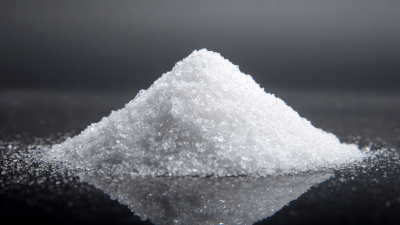
Potassium Nitrate is a versatile compound with vital applications in both agriculture and industry. Its chemical properties make it an essential ingredient in fertilizers, contributing to increased crop yields. Farmers around the world rely on Potassium Nitrate for promoting healthy plant growth. This nitrogen source supports essential metabolic processes and enhances nutrient absorption.
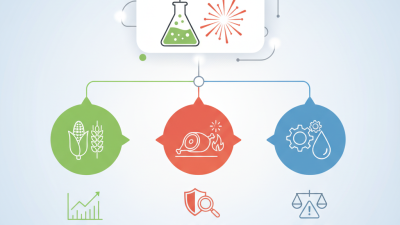
In addition to its agricultural benefits, Potassium Nitrate plays a crucial role in various industrial processes. It is used in the production of glass and ceramics, impacting quality and durability. Moreover, this compound has applications in food preservation, where it prevents spoilage and maintains freshness. Some may question its use due to potential environmental impacts, highlighting the need for responsible management.
While Potassium Nitrate offers impressive benefits, it is essential to acknowledge the complexity of its uses. Balancing benefits with environmental concerns requires thoughtful consideration. Understanding these nuances can lead to more sustainable practices in both agriculture and industry.
Top Applications of Potassium Nitrate in Crop Production
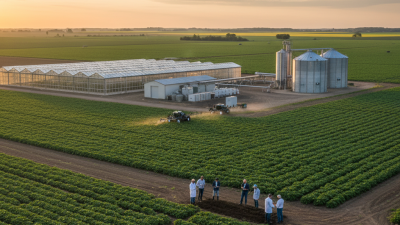
Potassium nitrate is increasingly recognized in crop production for its essential role in enhancing plant growth. This compound provides vital nutrients, primarily potassium and nitrogen, which are crucial for photosynthesis and overall plant health. According to a report by the International Plant Nutrition Institute, potassium nitrate can improve crop yields by up to 15% in various crops, including fruits and vegetables.
Farmers often use potassium nitrate to optimize growth conditions. The slow-release properties allow plants to access nutrients over time, minimizing the risk of nutrient leaching. This is especially significant in sandy soils, where nutrients wash away quickly. Some studies indicate that with proper application, potassium nitrate can reduce water requirements by 20%, promoting sustainable farming practices.
Effective application is essential. Overuse can cause salt buildup in soils, leading to reduced crop health. Monitoring soil composition regularly helps maintain balance. Consider conducting soil tests before application to determine the precise needs of your crops. Proper timing of application also influences effectiveness. Ideally, potassium nitrate should be applied during the early growing stages for maximum benefit.
Role of Potassium Nitrate in Soil Fertility and Plant Nutrition
Potassium nitrate plays a vital role in soil fertility and plant nutrition. It provides essential nutrients that enhance plant growth and productivity. This compound contains both potassium and nitrate, crucial elements for various physiological processes. Potassium is integral for photosynthesis and helps regulate water use in plants. Nitrate, on the other hand, is a primary source of nitrogen, promoting healthy leaf and stem development.
Using potassium nitrate can lead to significant improvements in crop yield. It encourages better root development, which is essential for nutrient uptake. In addition, crops treated with potassium nitrate often show increased resistance to diseases and environmental stresses. This is important for farmers looking to maximize their harvest while ensuring sustainability.
However, reliance on potassium nitrate requires careful management. Overuse can lead to nutrient runoff, affecting nearby water sources. Farmers must find a balance to optimize benefits and minimize negative impacts. Regular soil testing can help assess nutrient levels and determine the appropriate amount needed. This ensures that plants receive adequate nutrition without harming the environment.
Top 10 Uses of Potassium Nitrate in Agriculture and Industry
Potassium Nitrate's Use in Enhancing Crop Yield and Quality
Potassium nitrate plays a crucial role in agriculture, particularly in enhancing crop yield and quality. According to a report from the Food and Agriculture Organization (FAO), potassium nitrate significantly boosts nitrogen and potassium levels in plants. This combination is vital for promoting robust growth and improving fruit quality. Studies show that crops treated with potassium nitrate can yield up to 30% more than those without it, thanks to increased nutrient uptake.
The timing of potassium nitrate application is essential. It should be applied during critical growth stages. Applications during flowering and fruit setting have shown to enhance both the size and quality of produce. Farmers have reported better resistance to diseases and environmental stress when using this compound. However, there are challenges to consider. Overuse can lead to nutrient leaching, resulting in environmental pollution. A balanced approach is necessary for optimal results.
In addition, potassium nitrate influences the sugar content in certain crops, affecting taste and marketability. For instance, studies have noted increased sugar levels in tomatoes and peppers when treated correctly. While potassium nitrate has many benefits, it requires careful management to ensure sustainable agriculture. This balance is key to maximizing its advantages while minimizing negative impacts.
Industrial Applications of Potassium Nitrate in Fertilizer Production
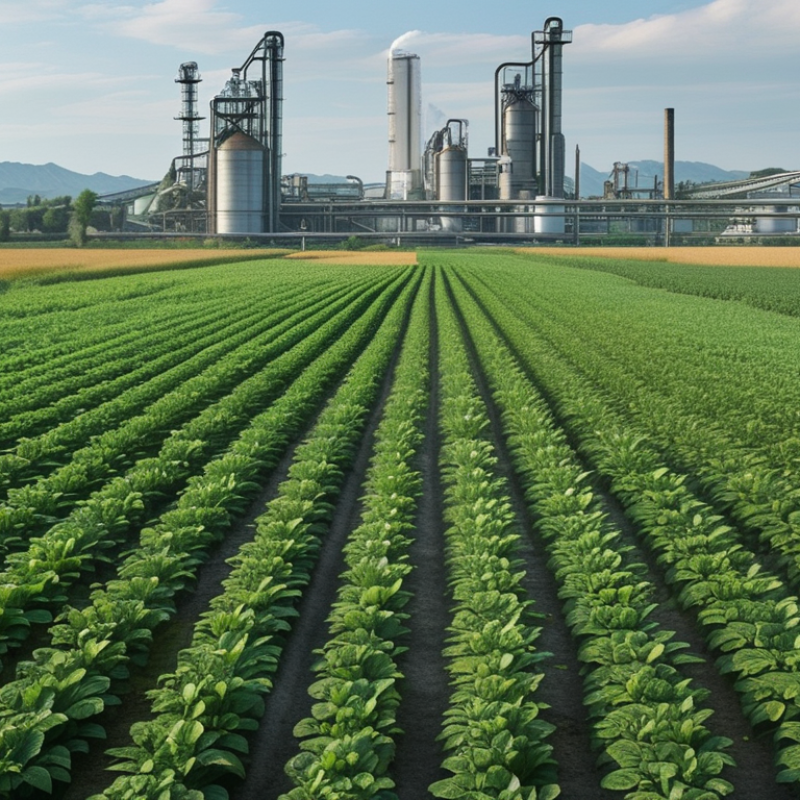
Potassium nitrate plays a crucial role in fertilizer production. It is a key component for many agricultural fertilizers, offering essential nutrients to crops. According to the International Fertilizer Association, potassium nitrate contributes to nearly 12% of the global fertilizer market. This percentage highlights its importance in enhancing agricultural productivity.
The blend of potassium and nitrogen in potassium nitrate makes it uniquely effective. It promotes healthy plant growth, improving yield and quality. Nearly 70% of potassium nitrate produced globally is used in fertilizers. These fertilizers help in the efficient absorption of nutrients. However, over-reliance on potassium nitrate can lead to soil nutrient depletion in the long term.
Despite its benefits, challenges exist. The environmental impact of excessive potassium nitrate use can lead to groundwater contamination. Studies show that unregulated applications can result in nitrate leaching. Farmers face the challenge of balancing effective use while ensuring soil health. Finding this balance is critical for sustainable agricultural practices in the future.
Top 10 Uses of Potassium Nitrate in Agriculture and Industry
| Use |
Category |
Description |
| Fertilizer Production |
Agriculture |
Used to produce high-efficiency fertilizers that provide essential nutrients to plants. |
| Food Preservation |
Industry |
Acts as a preservative in cured meats, enhancing color and flavor. |
| Rocket Propellant |
Industry |
Serves as an oxidizer in solid rocket fuels. |
| Flame Retardants |
Industry |
Used in treated materials to reduce flammability. |
| Glass Production |
Industry |
Incorporated into glass formulations to improve clarity and strength. |
| Soil Amendments |
Agriculture |
Enhances soil health by providing potassium and nitrogen. |
| Pyrotechnics |
Industry |
Used in fireworks and explosives for its oxidizing properties. |
| Photography |
Industry |
Employed in some photographic processes to enhance image quality. |
| Animal Feed |
Agriculture |
Used as a supplement to provide essential nutrients in feed. |
| Electrolyte Solution |
Industry |
Utilized in certain battery technologies for improved efficiency. |
Environmental Impact and Safety of Using Potassium Nitrate in Agriculture
Potassium nitrate, while valuable in agriculture, raises environmental concerns that must be addressed. The chemical is often used as a fertilizer due to its high nitrogen and potassium content. However, its overuse can lead to nitrate leaching into groundwater. A report from the National Groundwater Association highlights that nearly 28% of domestic wells have detectable nitrate levels.
Excessive nitrate in water sources poses risks to both human health and ecosystems. It can cause methemoglobinemia, or "blue baby syndrome," in infants. This condition affects the ability of blood to carry oxygen. Additionally, high nitrate levels can disrupt aquatic ecosystems, leading to algal blooms that deplete oxygen and harm aquatic life.
Farmers should be mindful about potassium nitrate application rates. Regular soil testing can help optimize fertilizer use while preventing excess runoff. Using cover crops can also enhance nutrient retention in the soil. Balancing crop needs with environmental safety is crucial. Sustainable practices can reduce the negative impact on water resources. Taking these steps can improve both agricultural yields and environmental health.