
Buying Potassium Nitrate Mouthwash in bulk can look simple: compare case prices, choose a supplier, and place the order. The real decision is more careful. A low unit cost means little if bottles arrive close to expiry, labels lack clear directions, or the formula does not suit your patients. This guide’s seven tips focus on practical checks: ingredient concentration, intended use, packaging, shelf life, supplier documentation, storage, and reorder planning.
Potassium Nitrate Mouthwash is not interchangeable with every sensitivity rinse. Formulations and directions vary, so confirm the product’s intended use and review its label before buying. Dental educator Dr. Edmond Hewlett is a relevant clinical voice, but I cannot verify a verbatim statement from him about bulk purchasing or this specific rinse. Rather than invent a quotation, this introduction keeps the advice grounded: ask a dental professional whether the product is appropriate for the people who will use it.
Check the details. A sturdy carton, readable lot numbers, and dates printed on each bottle matter when several cases sit in storage. Ask suppliers for current product specifications and a clear returns policy. Compare the total cost, not only the price per bottle; shipping and expiry losses can change the calculation. Small details count. Buying in bulk can reduce repeat orders, but it can also tie up money and leave stock unused. That trade-off deserves a second look. The tips ahead help buyers make a measured choice, with product quality and patient suitability ahead of volume discounts.
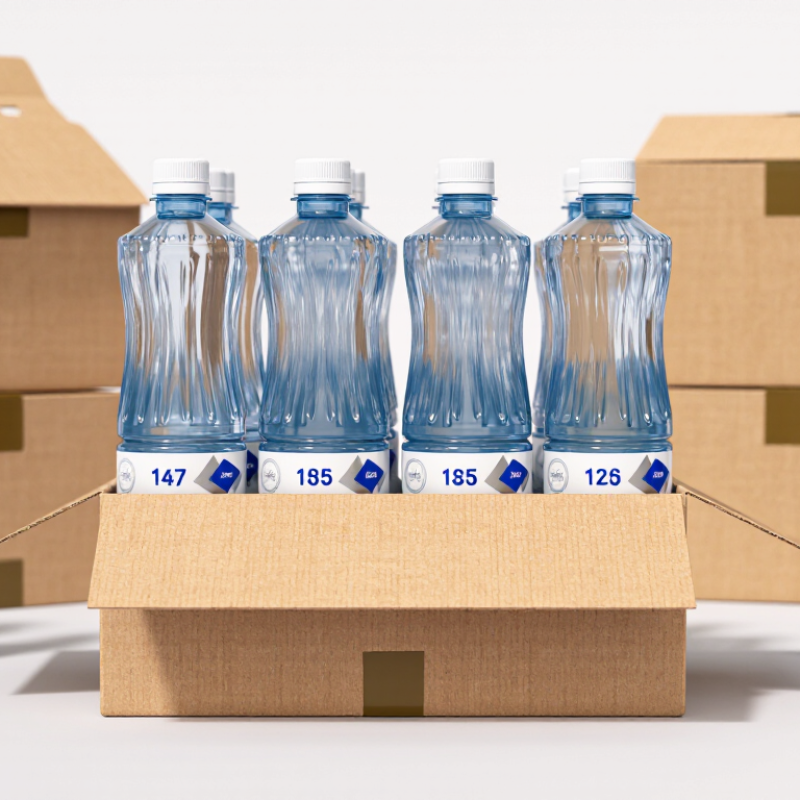
Before requesting bulk quotes, identify exactly what the product is and how it will be marketed. A potassium nitrate rinse may face different requirements depending on its intended use, claims, formulation, and sales jurisdiction. Do not assume rules for toothpaste automatically apply to mouthwash. Check the exact claims. Ask the supplier for the full ingredient list, potassium nitrate concentration, intended-use directions, and current product classification.
Verify the applicable status with the relevant health authority or a qualified regulatory professional. Request documents appropriate to the destination market, such as product registration or notification records, safety assessments, manufacturing-quality evidence, and batch certificates of analysis. Check whether the label, warnings, and advertising match the approved or permitted claims.
Not the bottle alone. A mismatch between paperwork and packaging can stall a shipment or create costly relabeling work.
WHO’s Global Oral Health Status Report (2022) estimated that oral diseases affect nearly 3.5 billion people worldwide. That figure signals broad oral-care needs, but it does not establish that a particular rinse is safe, effective, or authorized.
This distinction is easy to miss; buyers can focus too heavily on unit price. Compare documents and specifications before comparing discounts, and confirm that every bulk batch will meet the same agreed standard.

Use the 5% potassium nitrate dentifrice benchmark carefully. FDA OTC Monograph M022 identifies 5% potassium nitrate in dentifrice products for sensitivity relief. That is a useful comparison point, not proof that a rinse with the same percentage works equally well. Rinse contact time and formulation differ. Check the exact concentration, intended use, directions, and whether the seller provides rinse-specific clinical evidence. Ask for study design, participant numbers, comparison product, and measured outcomes. A neat percentage can still mislead.
For bulk orders, request a certificate of analysis for each lot, with assay results and microbiological quality checks. Confirm expiry dates, storage conditions, and whether packaging protects the liquid from heat and light. Compare the rinse’s stated claims with the dentifrice benchmark, but avoid treating them as interchangeable.
Check that instructions and warnings are clear on every unit. Ask how complaints, damaged shipments, and product recalls are handled. Keep a retained sample from each delivery. Not glamorous, but useful.
If evidence is limited to toothpaste studies, say so in purchasing records; that caveat may feel awkward, yet it is more reliable than assuming the rinse has the same clinical support.
When buying potassium nitrate mouthwash in bulk, request a certificate of analysis (COA) for each production batch. Check that it identifies the exact product, lot number, manufacturing date, and expiry date. The listed potassium nitrate concentration should match the product specification, not just a general catalog description. Small details matter. Confirm that the COA is traceable to the goods you will receive.
Ask for microbial test results tied to the same batch. USP <61> covers microbial enumeration, while USP <62> tests for specified microorganisms. Request the actual report or a clear summary, including test date, sample identification, methods, and results. Ask which acceptance criteria were applied and whether they suit this mouthwash and its intended use. Requirements can vary by product and market. A passing result is useful, but it does not establish quality on its own.
Review who performed the testing and whether the laboratory uses documented, validated procedures. If results are missing, outdated, or linked to another lot, pause before placing a large order. I would not treat a neat certificate as proof by itself. Compare the paperwork with sealed containers, lot labels, storage conditions, and remaining shelf life. Keep copies of batch documents so any concern can be traced back to a specific delivery.
| Tip | What to Check | Evidence to Request | Practical Buying Check |
|---|---|---|---|
| 1. Confirm the product and intended use | Check that the product is specifically formulated and labeled as an oral rinse containing potassium nitrate. Verify the intended user, directions, warnings, and market-specific regulatory status. | Current product specification, full ingredient list, label artwork, and relevant regulatory or market documentation. | Do not assume that a mouthwash is interchangeable with a toothpaste or another potassium nitrate product. Confirm that the formulation and claims fit the intended use and jurisdiction. |
| 2. Request a batch-specific COA | Make sure the certificate of analysis (COA) identifies the exact product, batch or lot number, test methods, results, units, and release criteria. | A signed or otherwise authenticated COA for the actual lot being offered, not only a sample or generic specification sheet. | Match the lot number on the COA to the bulk containers and shipping documents. Review results against the product’s approved specification rather than relying on a “pass” statement alone. |
| 3. Review USP <61> and USP <62> results | USP <61> covers microbial enumeration tests; USP <62> covers tests for specified microorganisms. Confirm the methods were applied to the finished product and are suitable for the formulation. | Batch-specific reports showing the test method, sample identification, results, and applicable acceptance criteria. Ask whether method suitability or neutralization was addressed when needed. | These chapters describe test methods; they do not, by themselves, establish every product’s acceptance limits. Confirm the limits against the applicable specification and regulatory requirements. Do not treat a missing result as a passing result. |
| 4. Verify identity, strength, and formulation controls | Check that the potassium nitrate identity and declared concentration are supported by appropriate release testing. Review other relevant finished-product attributes, such as appearance, pH, and preservative controls where applicable. | Finished-product specification and batch results, including the analytical methods used and the stated acceptance ranges. | Do not infer strength from the ingredient list alone. Ensure the test report refers to the finished mouthwash batch, not only to a raw-material lot. |
| 5. Assess bulk packaging and handling | Evaluate whether the container, closure, and bulk size protect the rinse from leakage, contamination, and unsuitable storage conditions during transport and use. | Packaging specifications, storage instructions, tamper-evidence details where applicable, and information on container compatibility. | Agree on clean, closed transfer practices and suitable dispensing equipment. Check that the received containers are intact and labeled with product identity, lot number, and storage conditions. |
| 6. Check shelf life and traceability | Review the manufacture date, expiry or retest date, remaining shelf life at delivery, and the supplier’s lot-tracing and recall procedures. | Batch dating information, written storage conditions, and documentation describing traceability and complaint or recall handling. | Set a minimum remaining shelf life in the purchase agreement. Keep the COA, invoice, lot details, and receipt inspection records together for each shipment. |
| 7. Qualify the supplier and shipment before scaling up | Assess quality-system documentation, change notification practices, batch consistency, lead times, and the supplier’s ability to provide documents for each shipment. | Supplier questionnaire or audit records, sample documentation package, written change-control terms, and a pre-shipment document checklist. | Start with a controlled evaluation shipment where practical. Define purchase-order requirements for lot-specific COAs, microbial reports, packaging, storage, and notification of material changes. |
Buying potassium nitrate mouthwash in bulk requires more than comparing price per bottle. Request stability data for the exact formulation and packaging you plan to purchase. Useful evidence includes assay results, pH, microbial limits, and appearance across the proposed shelf life. Check that samples were stored under stated conditions, such as controlled room temperature, and that testing covers the final container. Look for a clear expiry date and storage instructions. Warm warehouses matter.
Ask whether the product and manufacturing operation fall within FDA drug-manufacturing requirements. Where applicable, 21 CFR Parts 210 and 211 set current good manufacturing practice expectations for drug production and quality control. Request documentation showing how the manufacturer handles batch records, testing, deviations, and release decisions. Verify that the supplied lot matches its certificate of analysis, and confirm how complaints or recalls are managed. Keep the records. A polished certificate alone is not enough; it should be traceable to the lot. Stability results can also have limits, and I would question any claim that offers no test conditions or supporting dates.
When comparing bulk potassium nitrate mouthwash, look beyond the advertised case price. Ask for the minimum order quantity (MOQ), then calculate cost per bottle at several order sizes. Include freight, packaging, payment fees, and any inspection costs. A lower unit price may tie up cash in stock that expires before sale. Check whether the supplier can provide a current, batch-specific certificate of analysis and clear ingredient and storage information. Keep the paperwork.
Shelf life needs careful reading. Confirm whether the stated period applies to unopened bottles, and ask how long the product remains suitable after opening. Request the manufacturing date and remaining shelf life at dispatch, not just the standard shelf-life figure.
One detail is easy to miss. A large order can arrive with mixed batch dates, so specify acceptable dating in writing.
Review delivery terms, too: lead time, shipping method, responsibility for transit damage, and the process for reporting shortages should be clear before payment. Ask how delays are handled. A small trial order may reveal packaging or delivery problems, though it cannot guarantee future batches will be identical. Compare written quotations side by side, and leave room for a second review; bulk decisions are not always improved by buying more.