Top 10 Benefits of Using Water Soluble Fish Fertilizer for Your Garden?
The use of Water Soluble Fish Fertilizer has rapidly gained popularity among gardeners seeking sustainable solutions. According to a report by the Organic Materials Review Institute, over 25% of organic farmers now utilize fish-based fertilizers. This trend highlights a growing awareness of environmental impact and crop health.
Dr. Emily Harper, a leading expert in agricultural biotechnology, states, "Water Soluble Fish Fertilizer enriches soil biology while promoting healthy plant growth." Her insights underline the multifaceted benefits of fish fertilizer. The nutrient composition includes proteins, vitamins, and minerals that enhance plant vigor.
Gardeners often report noticeable improvements in their plants when using this fertilizer. However, some challenges exist, such as determining the right application rates. It’s essential to balance benefits with potential overuse. The effectiveness of Water Soluble Fish Fertilizer can vary based on soil type and crop variety. Hence, informed application is crucial for maximizing its advantages.
Understanding Water Soluble Fish Fertilizer: An Overview
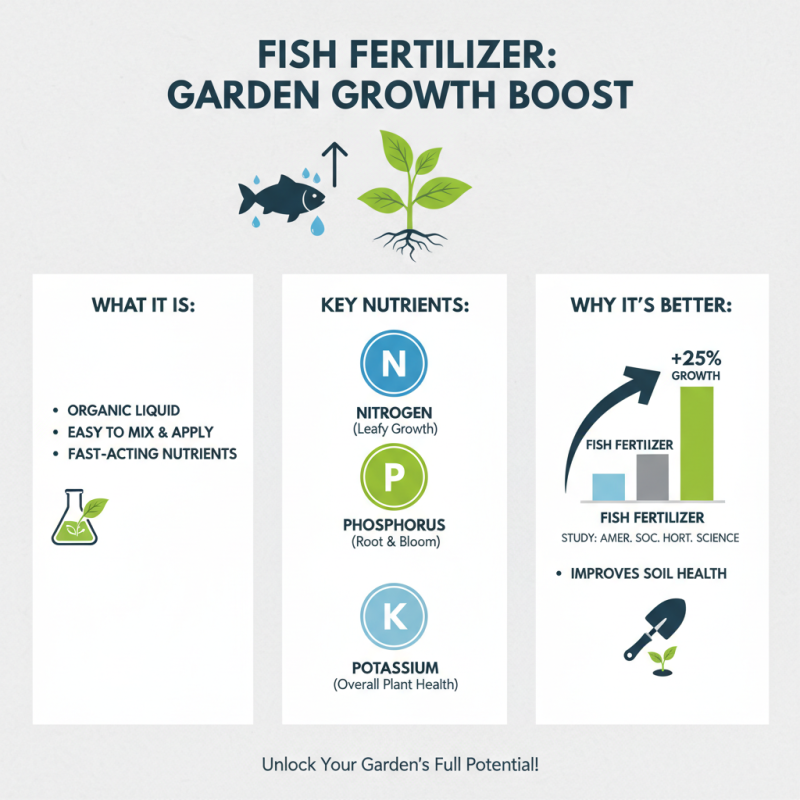
Water soluble fish fertilizer is a natural growth booster for plants. It provides essential nutrients and promotes healthy soil. Derived from fish scraps, this fertilizer is rich in nitrogen, phosphorus, and potassium. These elements are crucial for robust plant growth and development. When applied to the soil, the nutrients dissolve quickly, making them readily available to plants.
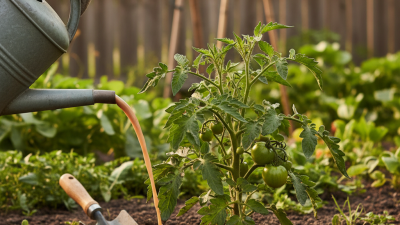
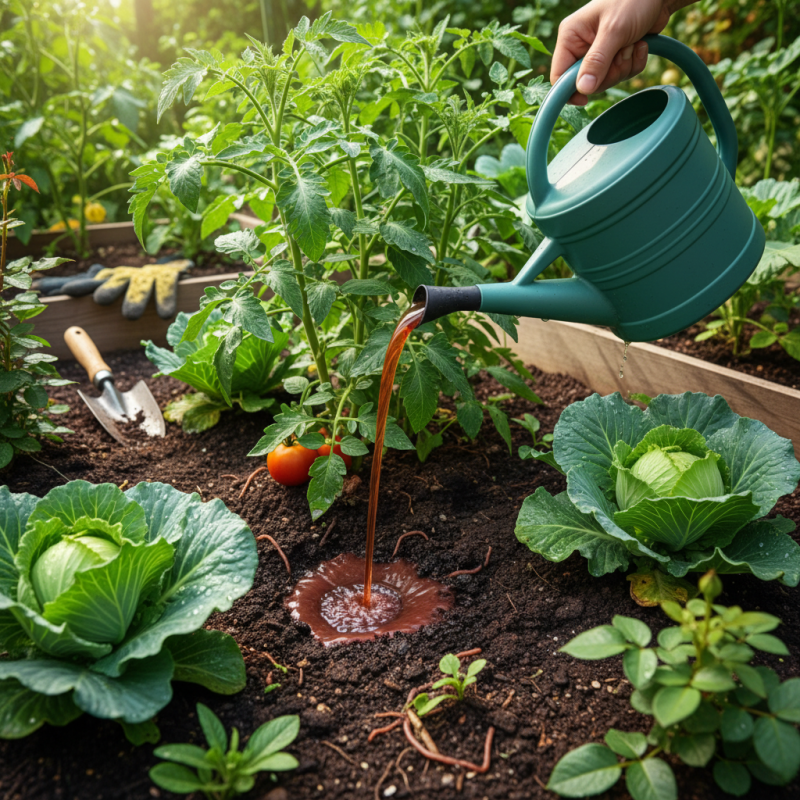
Gardeners appreciate the ease of use. Just mix it with water and apply it through a watering can or sprayer. This method ensures even distribution and rapid absorption. Many witness impressive results in a short time. However, it's essential to test soil regularly. Over-fertilization can lead to nutrient imbalances, affecting plant health. Adjusting the concentration might take some trial and error.
Some may find the smell off-putting, especially in dry seasons. Proper storage is vital to avoid unpleasant odors. Despite these challenges, fish fertilizer can enhance soil structure and support beneficial microbial life. Observing how plants respond can guide better application methods. In the garden, patience is key, as visible improvements often take time.
Enhancing Soil Nutrient Content with Fish Fertilizer
Water soluble fish fertilizer is gaining traction among gardeners. It enhances soil nutrient content effectively. This organic option provides vital nutrients like nitrogen, phosphorus, and potassium. According to a study by the American Society of Horticultural Science, plants treated with fish fertilizer showed a 25% increase in growth compared to those with traditional fertilizers.
The amino acids present in fish fertilizer help improve soil structure. They enhance microbial activity, which is crucial for soil health. Improved microbial activity increases nutrient availability for plants. This makes your garden more productive. A healthy soil ecosystem may lead to better crop yields over time.
Tip: Always mix fish fertilizer with water before application. This ensures even distribution in the soil. Avoid over-fertilizing, as it can lead to nutrient runoff and water pollution. Monitor soil conditions regularly. Healthy soil means healthier plants.
Promoting Healthy Plant Growth through Water Soluble Options
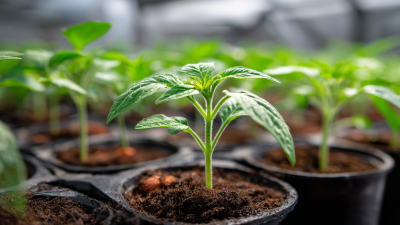
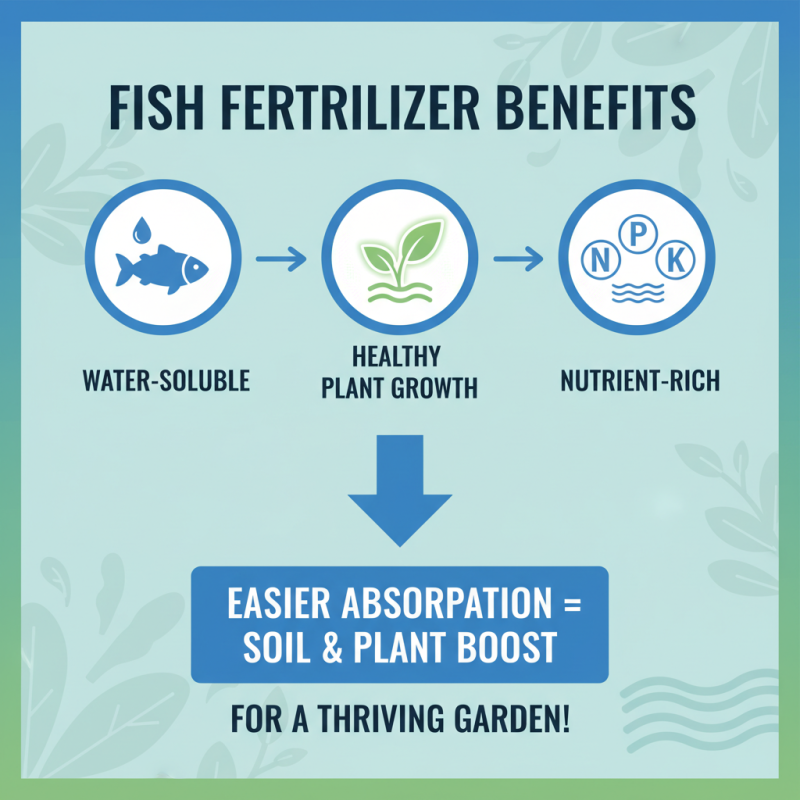
Water-soluble fish fertilizer is a fantastic option for any garden. It promotes healthy plant growth due to its rich nutrient profile. This fertilizer is packed with essential elements like nitrogen, phosphorus, and potassium. These nutrients enhance soil health and boost plant performance. The liquid form allows for easier absorption by plants, making nutrients readily available.
When using water-soluble fish fertilizer, it's important to follow the instructions. Over-application can harm plants rather than help them. Diluting the fertilizer properly can prevent nutrient burn. Monitor your plants closely to see how they respond. Observing changes can guide you in adjusting your usage. Healthy growth can sometimes lead to pest issues, so vigilance is key.
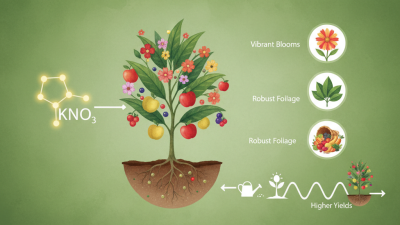
The benefits are noteworthy. Plants often display more vibrant colors and stronger stems. They may produce larger flowers and fruits. However, it's essential to ensure that your plants truly need additional nutrients. Conducting soil tests can provide insights. Not all plants require the same level of feeding, and sometimes simplicity is best. Embrace the learning process and adjust your gardening techniques as needed.
Environmental Benefits of Using Fish Fertilizer in Gardening
Using fish fertilizer in gardening offers significant environmental benefits. It is a natural, organic option that minimizes chemical runoff. Studies show that organic gardening practices, like using fish fertilizer, reduce soil erosion and improve biodiversity. This is crucial in maintaining a healthy ecosystem.
Fish-based fertilizers provide essential nutrients for plants. They release them slowly, which lowers the risk of nutrient leaching into waterways. According to the USDA, over 50% of chemical fertilizers contribute to water pollution. In contrast, fish fertilizer can help mitigate this issue.
However, sourcing fish fertilizers raises some concerns. Not all fish sources are sustainable, leading to overfishing in some areas. It is vital to consider how these fertilizers are produced. Opting for responsibly sourced products can enhance benefits while safeguarding marine life.
Balancing our gardening practices is essential for both our gardens and the environment.
Application Tips for Maximizing the Effects of Fish Fertilizer
When applying water-soluble fish fertilizer, timing and dilution are key. Aim for early morning or late afternoon applications. This minimizes evaporation and increases absorption. Research indicates that optimal growth occurs when plants receive proper nutrients without stress. Over-application can lead to nutrient burn, damaging plants.
Dilution rates vary, but a common recommendation is one tablespoon per gallon of water. Each plant's needs can differ, so adjust accordingly. Test on a small area first. Observing plant reactions will inform future applications. Low soil pH can hinder nutrient uptake, potentially leading to subpar results.
Besides regular applications, consider soil health. A balanced microbiome supports nutrient availability. Studies show fish fertilizers also enhance beneficial microbes in the soil. Healthy soil can boost plant resilience and growth. Re-evaluation of soil conditions is vital for long-term benefits. Analyzing soil pH and nutrient levels regularly helps in fine-tuning your fertilization strategy.