Leave Your Message

Top 10 Calcium Nitrate for Tomatoes Suppliers Worldwide?

Choosing the right Calcium Nitrate For Tomatoes supplier can influence crop health, harvest consistency, and farm profitability. This fertilizer provides soluble calcium and nitrogen, supporting firm fruit, balanced vegetative growth, and efficient fertigation. However, product quality can vary between suppliers, even when labels appear similar.

This guide introduces ten notable suppliers serving tomato growers worldwide. The selection considers product purity, calcium and nitrogen specifications, manufacturing experience, packaging, export capacity, and technical support. Reliable suppliers should provide current certificates of analysis, clear safety information, batch traceability, and practical application guidance. Details matter. A clean, fully soluble product can protect drip lines and reduce avoidable nutrient problems.

Supplier reputation also deserves careful checking. Growers should compare delivery reliability, storage recommendations, customer service, and local agricultural knowledge. A supplier serving greenhouse farms may offer different value than one focused on open-field production. Regional water quality, soil conditions, crop systems, and import requirements can change the best choice.

No supplier list is perfect. Rankings may shift with pricing, freight costs, seasonal availability, and changing production standards. That limitation is worth acknowledging. The strongest choice is not always the largest company; it is the supplier that consistently matches verified product quality with practical farm needs. By reviewing evidence rather than promotional claims, tomato producers can make more confident purchasing decisions and build healthier, more predictable growing programs.
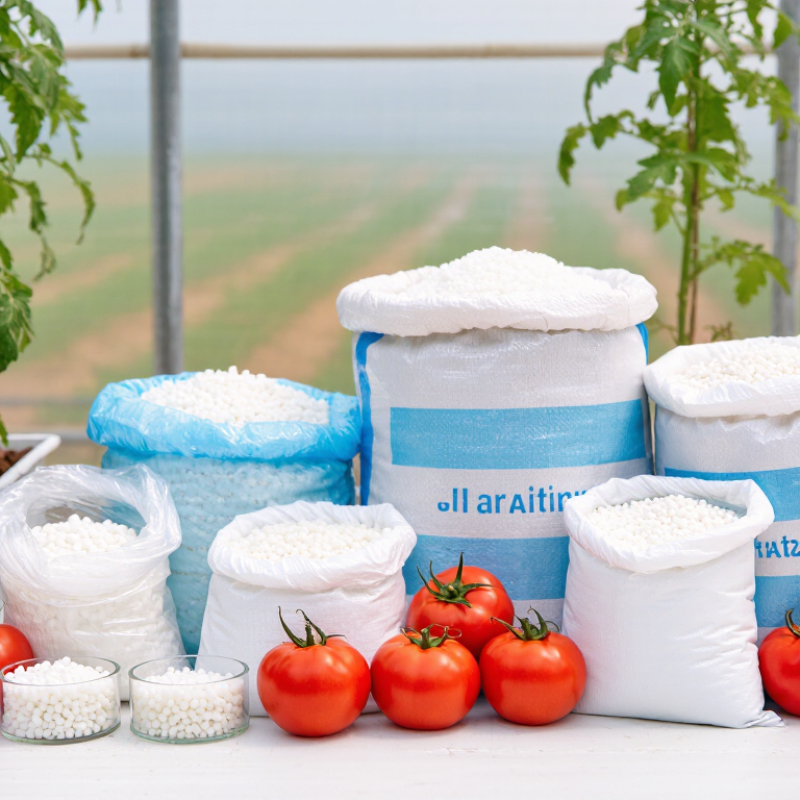
Top 10 Calcium Nitrate for Tomatoes Suppliers Worldwide?

Calcium Nitrate and Its Role in Tomato Nutrition

Calcium nitrate is a highly soluble fertilizer that supplies tomatoes with calcium and nitrate nitrogen. Calcium supports cell walls, fruit firmness, and steady growth. Nitrate nitrogen encourages leafy development without the slower conversion required by some other nitrogen forms. In practical crop management, this combination is useful during transplant establishment, flowering, and fruit expansion.

Many growers apply it through fertigation because the nutrients move quickly into the root zone. Consistent moisture matters. Calcium cannot reach developing fruit when roots face repeated drought and flooding. Blossom-end rot is often linked to uneven water movement, not simply a lack of calcium in the soil. That detail is easy to overlook. Calcium nitrate may help, but it is not a complete cure.

When comparing worldwide suppliers, buyers should examine nutrient analysis, solubility, batch testing, packaging quality, and delivery conditions. Fertilizer should dissolve cleanly, without excessive sediment. It should also be stored in a dry, ventilated area. Avoid mixing concentrated calcium nitrate with phosphate or sulfate fertilizers, because unwanted precipitates can form. Application rates should follow soil tests, irrigation water analysis, crop stage, and local professional guidance. More fertilizer is not always better. I have seen well-fed plants produce weak fruit when irrigation remained irregular. That mistake deserves honest review.
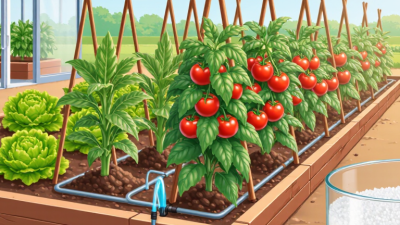
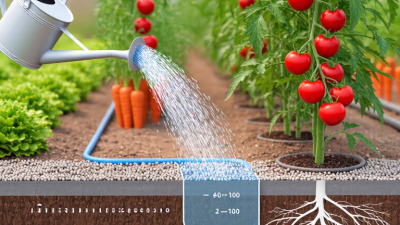
How to Evaluate Global Calcium Nitrate Suppliers

Top 10 Calcium Nitrate for Tomatoes Suppliers Worldwide?

Choosing among global calcium nitrate suppliers requires more than comparing prices. Tomato growers need consistent nutrient quality, reliable delivery, and clear technical evidence. A supplier should provide a recent certificate of analysis for every batch. Check calcium content, nitrate nitrogen, moisture, insoluble matter, and heavy metal limits. Product uniformity matters during fertigation. Uneven granules can clog filters or dissolve slowly in a busy irrigation system.

Supplier experience also deserves careful review. Ask how the product is stored before shipment. Calcium nitrate absorbs moisture quickly, especially in humid warehouses. Strong packaging, batch coding, traceability, and documented quality controls reduce avoidable risks. Request a small sample for a jar test and a controlled field trial. Compare dissolution, tank stability, leaf response, and fruit development. A polished website proves little. Practical records are more useful.

Tips: Check production certificates, safety documents, export experience, and customer references. Confirm delivery terms, minimum order quantities, and replacement procedures before signing. Ask whether technical staff can explain compatibility with phosphates and sulfates. They should also discuss local fertilizer regulations without making vague promises. A low quotation may hide weak packaging or inconsistent batches. I would not judge a supplier after one successful shipment; weather, storage, and crop conditions can expose weaknesses later. Supplier evaluation needs evidence, patience, and a willingness to question convenient answers.

Top 10 Calcium Nitrate Suppliers for Tomatoes Worldwide

Top 10 Calcium Nitrate Suppliers for Tomatoes Worldwide

The top ten supplier groups for tomato growers span Europe, Asia, North America, the Middle East, Latin America, Africa, and Oceania. Strong candidates usually offer greenhouse-grade calcium nitrate with consistent solubility and traceable batch records. The material commonly contains about 15.5% nitrogen and 19% calcium. Those figures still require verification on every technical sheet.

A reliable European supplier may provide refined crystals for hydroponic systems. Asian producers often serve large-volume farms with flexible packaging. North American distributors can offer faster regional delivery and agronomic support. Middle Eastern suppliers may specialize in dry climates and fertigation programs. Latin American warehouses reduce transit time for commercial tomato operations. African and Oceanian distributors can be valuable when local stock matters. The remaining suppliers should demonstrate stable quality, export experience, and proper moisture protection.

During purchasing, I would request a certificate of analysis, safety documentation, production date, and recommended dissolution rate. Check whether the product leaves sediment in a clean irrigation tank. That detail matters. I once treated low price as the main advantage, but delayed delivery damaged the crop schedule. A better supplier explains compatibility with phosphate fertilizers and provides clear storage guidance. No ranking is perfect. Farms should compare samples, delivery records, technical support, and total application cost before choosing among the top ten calcium nitrate suppliers worldwide.

Comparing Product Quality, Pricing, Certifications, and Shipping

When comparing the top calcium nitrate suppliers for tomatoes, product quality should come before price. I check the nitrogen and calcium analysis, moisture level, particle size, and solubility. A clean, fully soluble product mixes easily in fertigation tanks. It should leave little sediment after several minutes. Tomato growers need consistent results, not attractive wording.

A reliable supplier provides a current certificate of analysis for each production batch. Useful documents may include ISO quality certification, safety data sheets, and relevant export records. Certifications matter, but they do not replace independent testing. I prefer suppliers that explain testing methods and provide traceable lot numbers. Some sellers offer a cheaper price by using basic packaging or limited documentation. That can create hidden costs later. My own comparisons have shown that the lowest quote is not always the best value.

Shipping requires equal attention. Confirm packaging weight, pallet strength, moisture protection, loading dates, and port arrangements. Calcium nitrate can absorb moisture, so damaged bags are a serious warning sign. Ask whether the supplier supports sea freight, air freight, or regional delivery. Compare the delivered cost, not only the product price. A slightly higher quotation may include stronger packaging and clearer customs paperwork. Still, shipping promises can change. Check them twice. Supplier response time also reveals practical reliability. A professional exporter answers technical questions directly, although no supplier is perfect. Even experienced buyers should inspect samples before placing large orders.

Top 10 Calcium Nitrate for Tomatoes Suppliers Worldwide? - Comparing Product Quality, Pricing, Certifications, and Shipping
Anonymized supplier-market benchmark for agricultural calcium nitrate used in tomato production
Rank Anonymized Supplier Profile Primary Supply Region Typical Product Form Nitrogen / Calcium Content Water Solubility Quality Indicators Indicative Price
(USD/MT)
Certification & Documentation Typical Lead Time Common Shipping Terms Tomato-Fertilization Fit Overall Score
1 Supplier Profile 01 Western Europe High-purity crystalline, fully water-soluble Approx. 15.5% total N
Approx. 19% Ca
Very high; suitable for fertigation Low insoluble matter; consistent particle size; lot COA available 350–480 ISO 9001 commonly available; batch COA and SDS normally supplied 2–5 weeks FCA, FOB, CIF Excellent for greenhouse tomatoes 9.1/10
2 Supplier Profile 02 North Africa Prilled agricultural grade Approx. 15.5% total N
Approx. 19% Ca
High; suitable for soil and fertigation Good nutrient conformity; confirm insoluble-residue limits before purchase 260–360 COA and SDS commonly available; third-party inspection available by agreement 3–7 weeks FOB, CFR, CIF Strong value for commercial farms 8.8/10
3 Supplier Profile 03 East Asia Crystalline, water-soluble grade Approx. 15.5% total N
Approx. 19% Ca
Very high; appropriate for drip irrigation Stable dissolution; packaging options from 25 kg bags to 1 MT big bags 270–390 ISO 9001 may be available; request current COA, SDS, and heavy-metal statement 4–8 weeks FOB, CFR, CIF Good for precision fertigation 8.6/10
4 Supplier Profile 04 Middle East Granular agricultural grade Approx. 15.5% total N
Approx. 19% Ca
High; verify filtration requirements Competitive nutrient analysis; particle-size distribution can vary by lot 250–350 COA and SDS generally available; verify destination-country registration requirements 3–6 weeks FOB, CFR, CIF Suitable for open-field tomatoes 8.3/10
5 Supplier Profile 05 South America Granular or prilled calcium nitrate Approx. 15.5% total N
Approx. 19% Ca
High; suitable for soil application and fertigation Regional availability; shorter inland delivery for nearby markets 300–420 Local fertilizer registration may be available; request product label, COA, and SDS 2–6 weeks FCA, FOB, CIF Good for regional supply security 8.1/10
6 Supplier Profile 06 South Asia Water-soluble crystalline grade Approx. 15.5% total N
Approx. 19% Ca
Very high; suitable for hydroponic nutrient programs Good solubility; confirm chloride, sodium, and insoluble-matter limits 245–365 ISO 9001 and batch COA may be available; laboratory verification recommended 4–9 weeks FOB, CFR, CIF Suitable for protected cultivation 8.0/10
7 Supplier Profile 07 Eastern Europe Prilled or granular agricultural grade Approx. 15.5% total N
Approx. 19% Ca
High; application method should be confirmed Reliable regional logistics; product color and granulation may differ by batch 285–410 COA, SDS, and standard conformity documents commonly available 2–5 weeks FCA, CPT, CIF Balanced quality and delivery 7.9/10
8 Supplier Profile 08 North America Greenhouse-grade crystalline product Approx. 15.5% total N
Approx. 19% Ca
Very high; optimized for fertigation Strong technical support; smaller orders may carry a higher unit cost 390–560 COA and SDS typically supplied; verify local fertilizer registration and labeling 1–4 weeks domestically
4–8 weeks internationally
FCA, DAP, CIF Excellent technical support 7.8/10
9 Supplier Profile 09 Central Asia Bulk prilled agricultural grade Approx. 15.5% total N
Approx. 19% Ca
High; test before use in fine filtration systems Attractive bulk pricing; longer transit and documentation checks may apply 230–330 COA and SDS generally available; independent pre-shipment inspection advised 5–10 weeks FOB, CFR, CIF Best for price-sensitive bulk orders 7.5/10
10 Supplier Profile 10 Southeast Asia Crystalline or granular agricultural grade Approx. 15.5% total N
Approx. 19% Ca
High; confirm dissolution temperature and residue levels Flexible packaging and port options; quality consistency should be checked by lot 275–395 COA and SDS commonly available; request traceability and current compliance records 4–8 weeks FOB, CFR, CIF Good for mixed farm applications 7.4/10
Benchmark notes: Calcium nitrate fertilizer commonly contains approximately 15.5% total nitrogen and 19% calcium, although specifications vary by grade and jurisdiction. Price ranges are indicative bulk-market estimates in USD per metric ton and can change with raw-material costs, order volume, packaging, freight, insurance, duties, and payment terms. “ISO 9001,” COA, SDS, REACH status, organic-input approval, and local fertilizer registration must be verified against the current supplier documents and destination-country regulations before purchase. Final tomato suitability should be confirmed through a compatibility test, irrigation-water analysis, and the crop nutrient plan.

How to Choose the Right Supplier for Your Tomato Farm

Choosing among the top ten calcium nitrate suppliers worldwide requires more than comparing prices. Your tomato farm needs consistent nutrition, dependable delivery, and clear technical support. Check the product’s nitrogen and calcium percentages against the label and certificate of analysis. Confirm complete solubility for fertigation systems. Insoluble residue can clog filters and damage injectors.

Ask each supplier about batch testing, contaminant limits, packaging quality, and storage guidance. Reliable suppliers should provide traceable lot numbers and current safety documentation. They should also understand tomato production, including calcium demand during fruit development and common irrigation conditions. Request references from farms with similar climates and production scales. A supplier with a low quote may become expensive after delays, rejected loads, or uneven crop growth.

Tips: Order a small trial shipment before committing to a seasonal contract. Test the material in your actual irrigation water, not only in clean laboratory water. Compare delivery time, moisture protection, and customer response. Keep written records of every batch and crop reaction. One practical mistake is trusting a polished specification sheet without checking independent results. An accredited laboratory can verify nutrient content and detect unwanted contaminants. Also, review import rules, labeling requirements, and transport conditions for your country. Good suppliers welcome these questions. Some may not.