Top 5 Tips for Choosing Potassium Nitrate Fertilizer?
Selecting the right Potassium Nitrate Fertilizer is vital for optimal plant growth. According to a study by the Food and Agriculture Organization (FAO), potassium is essential for over 60% of global crop yields. This importance underscores the need for effective fertilization strategies. Potassium nitrate not only provides potassium but also nitrogen, which is crucial for foliage development and overall plant health.
However, the process of choosing the right fertilizer can be confusing. Various products on the market claim to be the best, making the selection daunting. Reports from the International Plant Nutrition Institute (IPNI) indicate that nearly 40% of farmers struggle with fertilizer selection. Factors such as soil type, crop needs, and application methods must be considered.
A comprehensive understanding of Potassium Nitrate Fertilizer can lead to more informed decisions. Many growers overlook specific details like nutrient ratios and application timings. Some fertilizers may not deliver promised results if misapplied. Such oversights can lead to subpar yields and wasted resources.
Understanding Potassium Nitrate: Benefits for Plant Growth
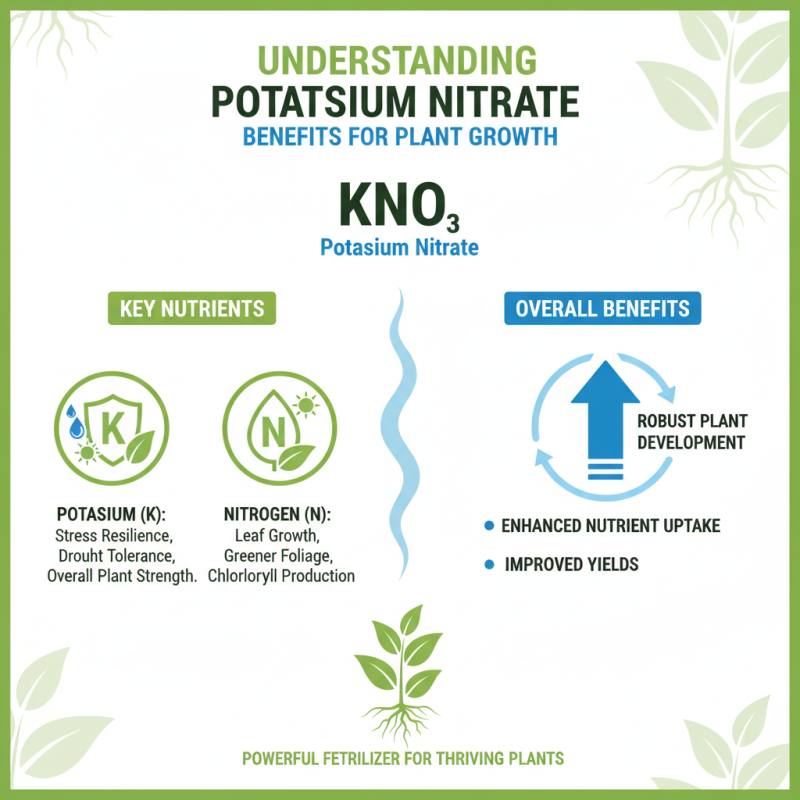
Potassium nitrate is a powerful fertilizer that offers multiple benefits for plant growth. It contains both potassium and nitrogen, essential nutrients for healthy plant development. Potassium aids in minimizing stress during drought and enhances overall resilience. Meanwhile, nitrogen is crucial for leaf growth and greener foliage. These two elements work together to promote robust plants.
Applying potassium nitrate can lead to improved flowering and fruiting. It encourages strong cell development, which can increase yields. When plants have the right nutrients, they can more effectively fight pests and diseases. However, too much potassium nitrate might adversely affect plant health. Over-fertilization can lead to nutrient imbalances.
Understanding how to use potassium nitrate is vital. The best way to apply it varies between plant species. It’s important to monitor the soil and plants regularly. Observing changes can foster a more tailored approach. If leaf tips burn or yellow, adjustments are necessary. Continuously learning about nutrient needs can enhance gardening skills over time.
Assessing Soil Nutrients: Test Your Soil Before Fertilizing
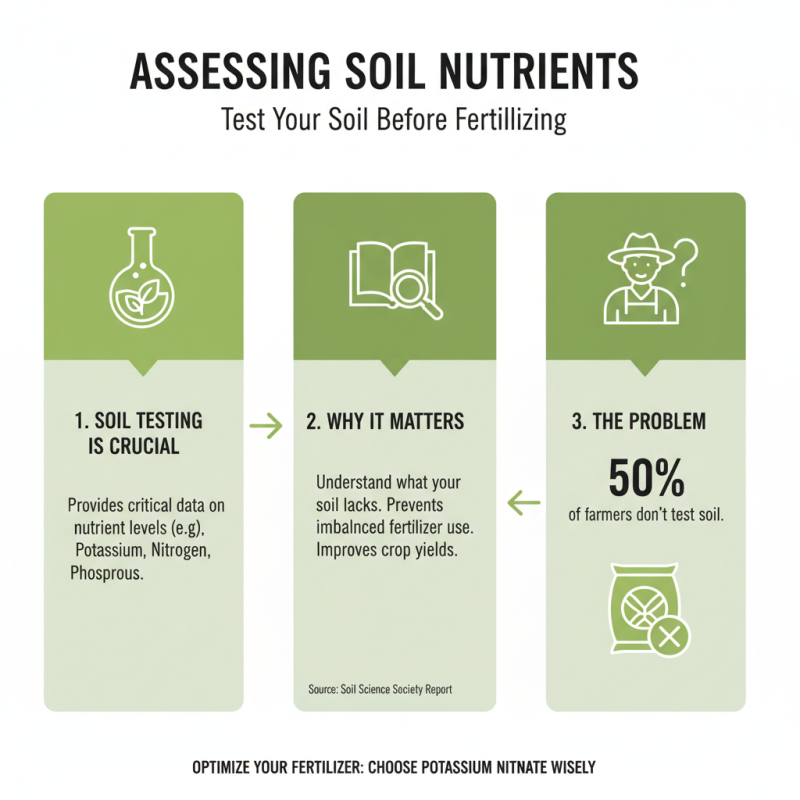
Testing your soil is essential before selecting potassium nitrate fertilizer. A soil test provides critical data on nutrient levels. This information helps you understand what your soil lacks. According to a report by the Soil Science Society, around 50% of farmers do not test their soil. This leads to imbalanced fertilizer usage and poor crop yields.
Minerals in your soil can vary significantly. For instance, sandy soils often need more potassium compared to clay soils. Research shows that nitrogen and potassium are the most common deficiencies. Therefore, tailored fertilization makes a significant difference. Yet, many gardeners apply fertilizers without testing, which can harm plants. Over-fertilization can lead to nutrient runoff, affecting local waterways.
Understanding your soil's unique profile can optimize your fertilization strategy. Soil tests assess pH, moisture, and nutrient levels accurately. This crucial step informs you about the right amount of potassium nitrate needed. An informed approach not only enhances plant growth but also supports sustainable farming practices. Emphasizing soil health is a responsibility every gardener should embrace. A careful assessment can lead to fruitful results.
Selecting the Right Form: Granular vs. Liquid Potassium Nitrate
When selecting potassium nitrate fertilizer, consider its form carefully.
Granular and liquid potassium nitrate serve specific purposes in different scenarios.
Granular forms release nutrients slowly. This is ideal for long-term crop growth. Conversely, liquid potassium nitrate acts quickly in the soil, promoting fast response in plants.
According to a report by the International Fertilizer Association, about 40% of farmers prefer liquid forms for rapid nutrient uptake.
Understanding soil and crop needs is vital in this choice. For sandy soils, liquid forms can quickly address nutrient deficiencies.
However, granular options suit crops requiring sustained nutrient release. Research shows that crops like potatoes can benefit from slow-releasing fertilizers, while leafy greens may respond better to liquid applications.
Farmers must analyze their specific circumstances to make effective decisions. Using soil tests to determine nutrient levels can help in this process.
Both forms have unique benefits and challenges.
Liquid types often require precise application, while granular kinds may lead to uneven distribution if not spread properly. Each choice carries risks and rewards, highlighting the importance of tailored strategies in fertilization.
Determining Application Rates: How Much to Use for Optimal Results
When applying potassium nitrate fertilizer, determining the right application rates is essential for optimal plant growth. Research indicates that the most effective rates usually vary based on the crop and soil conditions. For many crops, a rate of 150-200 pounds per acre is often recommended. Yet, this can fluctuate based on factors like soil nutrient levels and moisture availability.
The timing of application also plays a crucial role. Studies suggest that split applications can enhance nutrient uptake. For instance, applying half at planting and the rest during the active growth phase may result in healthier plants. Additionally, excessive use can lead to nutrient runoff, which can harm water sources. This highlights the need for careful monitoring and reevaluation of soil tests to prevent over-application.
In practice, adjusting rates based on real-time conditions is crucial. Each field might require unique considerations, including current weather conditions and crop growth stages. Understanding these variables can lead to more efficient use of potassium nitrate. It’s not just about how much you apply, but also when and how often. An ongoing assessment of crop response can guide future applications, potentially saving time and resources.
Top 5 Tips for Choosing Potassium Nitrate Fertilizer
This chart illustrates the importance rating of various factors when choosing potassium nitrate fertilizer. Each factor is scored from 1 to 10, helping you prioritize what to consider for optimal results.
Timing Your Fertilization: Best Practices for Seasonal Application
Timing your fertilization is key to maximizing the benefits of potassium nitrate fertilizer. Research shows that targeted application can enhance crop yield significantly. The best practice is to apply potassium nitrate at critical growth stages. For instance, during the flowering stage, plants require higher potassium levels. This nutrient supports flower formation and fruit development, leading to improved harvest quality.
According to data from the Soil Science Society, nutrient uptake differs throughout the growing season. Early spring applications may lead to excessive nutrient runoff. A study revealed that 40% of fertilizers can be lost to leaching if applied too soon. Instead, consider mid-season applications. Adjusting your timing based on soil tests can prevent nutrient deficiencies while reducing waste. Some farmers notice a decline in crop performance when nutrients are wrongly timed.
Soil moisture also plays a crucial role in nutrient absorption. Dry conditions can hinder potassium uptake. It's advisable to check soil moisture levels before fertilizing. Adding potassium nitrate during heavy rain periods can lead to nutrient loss. Consider using slow-release formulations as an alternative. These options provide a steady nutrient supply, aligning better with plant needs.
Top 5 Tips for Choosing Potassium Nitrate Fertilizer
| Tip |
Details |
Best Timing |
Application Method |
| 1. Analyze Soil Needs |
Test soil to determine nutrient levels and pH. |
Early Spring |
Incorporate into the soil before planting. |
| 2. Choose Appropriate Concentration |
Select the right N-P-K ratio for your crops. |
Before Planting |
Sprinkle granules evenly on soil surface. |
| 3. Understanding Crop Growth Stages |
Apply based on developmental needs of crops. |
Mid-Growth |
Side-dress along the rows. |
| 4. Weather Conditions |
Consider rainfall and temperature before application. |
After Rainy Days |
Dilute in water for foliar feeding. |
| 5. Record Keeping |
Document fertilizer application rates and effects. |
Throughout Growing Season |
Maintain a fertilization log for future reference. |