2025 Top Trends in Water Soluble Liquid Fertilizer for Maximum Crop Yield
As the global population continues to rise, the demand for innovative agricultural solutions becomes increasingly critical. In this pursuit, Water Soluble Liquid Fertilizer (WSLF) has emerged as a pivotal component in maximizing crop yield and enhancing agricultural sustainability. According to a recent report by MarketsandMarkets, the global market for water-soluble fertilizers is projected to grow from USD 17.5 billion in 2020 to USD 24.2 billion by 2025, reflecting a compound annual growth rate (CAGR) of 7.1%. This growth is driven by the increasing need for efficient nutrient delivery systems that can adapt to modern farming practices.
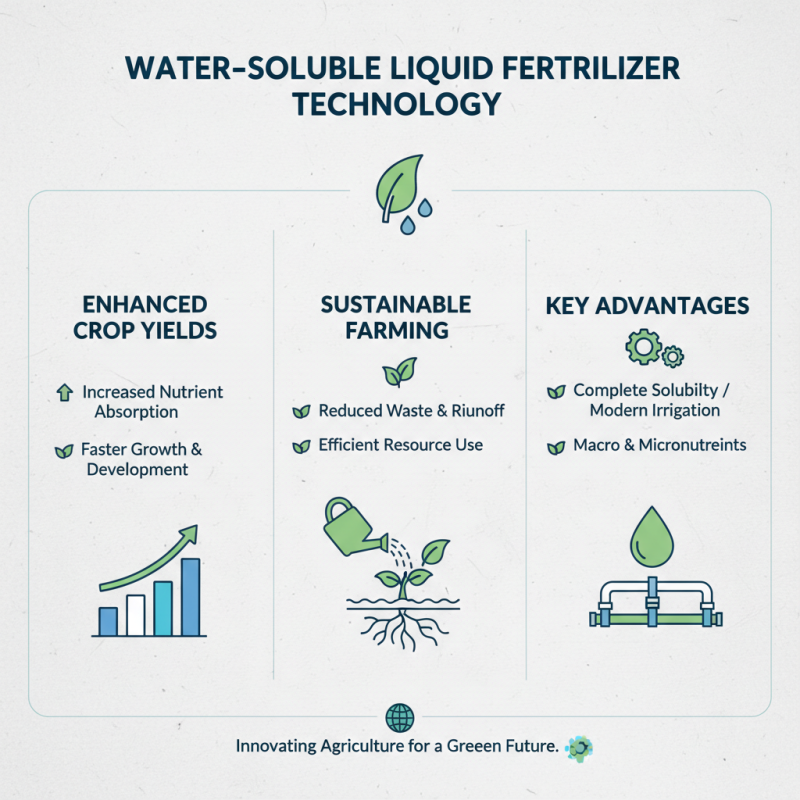
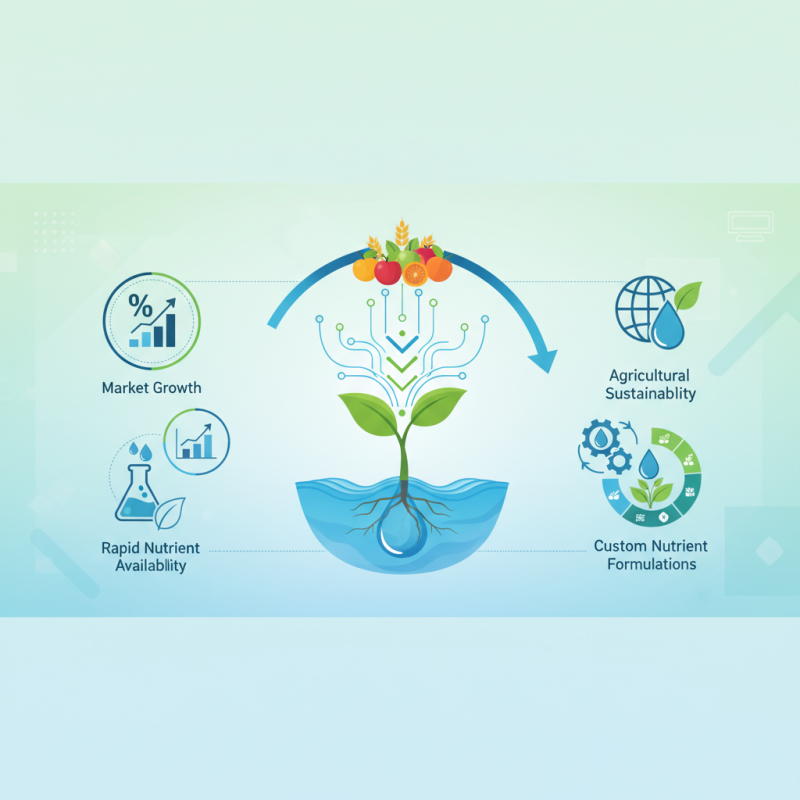
WSLF offers distinct advantages, including rapid nutrient availability to plants, improved absorption rates, and reduced nutrient runoff, which aligns with sustainable agricultural practices. The ability to customize nutrient formulations allows farmers to address specific crop needs effectively, ultimately leading to enhanced productivity. Furthermore, as water scarcity becomes a pressing concern, the water-efficient properties of these fertilizers contribute to a more sustainable approach to agriculture. As we look ahead to 2025, understanding the top trends surrounding Water Soluble Liquid Fertilizer will be crucial for stakeholders seeking to optimize crop yields and cultivate a resilient agricultural future.
Overview of Water Soluble Liquid Fertilizers and Their Importance
Water-soluble liquid fertilizers (WSLF) have become integral to modern agriculture, offering a precise and efficient nutrient delivery system for crops. These fertilizers dissolve quickly in water, allowing for rapid absorption by plants, which is crucial during the critical growth phases. According to a report by Market Research Future, the global market for water-soluble fertilizers is projected to reach USD 23.83 billion by 2025, reflecting an annual growth rate of approximately 6.5%. This growth is driven by the increasing demand for higher crop yields and the need for sustainable farming practices that minimize environmental impact.
The importance of water-soluble liquid fertilizers lies in their ability to enhance nutrient uptake and reduce nutrient losses in the soil. Traditional fertilizers often lead to inefficiencies, with significant amounts being lost to leaching or run-off. However, WSLFs are designed to mitigate these issues by providing a more controlled nutrient release. According to a study published in the "Journal of Plant Nutrition", crops fertilized with water-soluble options can achieve yield increases of up to 20% compared to those treated with conventional fertilizers. This highlights not only the effectiveness of WSLFs in improving plant health and productivity but also their role in supporting the growing global food demands.
As agricultural practices continue to evolve, WSLFs are positioned to play a crucial role in sustainable agricultural strategies and maximizing crop yields in the coming years.
Recent Advances in Water Soluble Liquid Fertilizer Technology
Recent advances in water soluble liquid fertilizer technology have revolutionized agricultural practices, leading to enhanced crop yields and sustainable farming solutions. One key development has been the formulation of nutrient-rich solutions that are easily absorbed by plants. These fertilizers often include essential macro and micronutrients, enhancing the efficiency of nutrient delivery while minimizing waste. Innovations in blending techniques and solubility have ensured that these substances dissolve completely in water, making them ideal for modern irrigation systems.
Additionally, technological advancements such as controlled-release formulations and biodegradable polymers are gaining traction. These innovations allow for precise nutrient release according to plant needs, reducing the risk of nutrient leaching and enhancing environmental sustainability. Moreover, the integration of smart technologies, like IoT sensors, enables real-time monitoring of soil nutrient levels, facilitating adaptive fertilizer application. This shift towards data-driven agriculture not only maximizes crop yield but also promotes responsible resource use, aligning with the growing demand for eco-friendly agricultural solutions.
Key Ingredients Driving Crop Yield in 2025
In 2025, the agricultural sector is expected to witness significant advancements in water soluble liquid fertilizers, with key ingredients playing a crucial role in maximizing crop yield. One of the standout components will be amino acids, which enhance nutrient uptake and stimulate plant growth. These organic compounds not only improve the efficiency of fertilizers but also promote stress resistance in plants, enabling them to thrive in varied environmental conditions.
Additionally, the incorporation of humic substances into water soluble fertilizers is set to revolutionize crop production. Humic acids improve soil structure and microbial activity, facilitating better nutrient absorption. They help in chelating essential minerals, making them more available for plant uptake. This synergy between humic substances and traditional nutrients will significantly enhance the efficacy of liquid fertilizers, ensuring that crops receive a balanced diet for optimal growth.
Moreover, micronutrients such as zinc and manganese are expected to gain prominence in formulations. These trace elements are vital for numerous metabolic processes in plants, including photosynthesis and enzyme function. Their targeted application in water soluble fertilizers will address common deficiencies in soils, enabling farmers to boost yields while maintaining soil health and sustainability. As we progress towards 2025, these innovative ingredients will shape the future of fertilization practices, driving the agricultural industry towards higher productivity and environmental stewardship.
2025 Top Trends in Water Soluble Liquid Fertilizer for Maximum Crop Yield
This chart illustrates the key ingredients driving crop yield in water soluble liquid fertilizers for the year 2025. The data highlights the percentage contribution of various nutrients to the overall crop yield improvement.
Sustainability and Environmental Impact of Liquid Fertilizers
The push for sustainability in agriculture has led to a significant increase in the adoption of water-soluble liquid fertilizers, which are often seen as a more environmentally friendly alternative to traditional fertilizers. According to a report by MarketsandMarkets, the global liquid fertilizers market is projected to grow significantly, reaching $23.8 billion by 2025, with a compound annual growth rate (CAGR) of 4.5% from 2020 to 2025. This growth is driven not only by the need for enhanced crop yields but also by the demand for sustainable agricultural practices that reduce soil degradation and minimize environmental impact.
Liquid fertilizers offer precise nutrient delivery, which leads to more efficient nutrient uptake by crops while reducing the risk of nutrient runoff into waterways. A study from the American Society of Agronomy highlights that water-soluble fertilizers can lead to a 30% reduction in nutrient waste compared to traditional granular options. Additionally, sustainable liquid fertilizers are increasingly being formulated with organic compounds, which can improve soil health and promote biodiversity. As growers become more aware of the ecological footprint of their practices, the trend towards sustainable solutions in liquid fertilizers is expected to accelerate, aligning agricultural productivity with environmental responsibility.
2025 Top Trends in Water Soluble Liquid Fertilizer for Maximum Crop Yield - Sustainability and Environmental Impact of Liquid Fertilizers
| Trend |
Description |
Environmental Impact |
Sustainability Benefits |
| Increased Microbial Activity |
Fertilizers designed to enhance beneficial microbial activity in the soil. |
Reduces the need for chemical pesticides. |
Promotes soil health and crop resilience. |
| Slow-Release Formulas |
Formulations that slowly release nutrients over time. |
Decreases nutrient runoff into water bodies. |
Improves nutrient use efficiency and reduces fertilization frequency. |
| Precision Agriculture Integration |
Using data analytics and technology to apply the right amount of fertilizer. |
Minimizes excess use, lowering soil and water contamination risk. |
Increases yield while reducing environmental footprint. |
| Biodegradable Components |
Fertilizers formulated with organic, biodegradable materials. |
Lowers pollution levels and enhances soil health. |
Supports sustainable farming practices. |
| Nutrient-Dense Formulations |
Higher concentrations of essential nutrients in smaller volumes. |
Reduces transportation and application emissions. |
More efficient use of resources, leading to better yields. |
Future Considerations and Trends in Fertilizer Application Methods
As the agricultural sector increasingly seeks efficient and sustainable solutions to enhance crop yield, the application methods for water-soluble liquid fertilizers are evolving. According to a report by the International Fertilizer Association, the global demand for liquid fertilizers is projected to grow significantly, reaching a market size of approximately $36 billion by 2025, driven by advancements in technology and a growing emphasis on precision agriculture. New application methods, including foliar spraying and fertigation, are showing promising results in improving nutrient absorption and minimizing waste.
In addition, the integration of smart technologies such as soil moisture sensors and automated irrigation systems is set to reshape fertilizer application techniques. A study from the Specialty Fertilizer Industry informs that using data-driven approaches can increase fertilizer efficiency by up to 25%, ensuring that crops receive nutrients when and where they need them most. This not only maximizes productivity but also supports environmental sustainability by reducing runoff and nutrient leaching into waterways. Such innovations indicate a future where fertilizer applications are not just about quantity but are strategically optimized for modern agricultural practices.