How to Use Calcium Nitrate Fertilizer for Maximum Plant Growth?
In the world of gardening and agriculture, Calcium Nitrate Fertilizer stands out as a crucial nutrient source. Expert Dr. Emily Harris, a leading agronomist, emphasizes its importance: "Calcium Nitrate Fertilizer boosts plant growth and enhances fruit quality." This fertilizer not only supplies calcium but also provides nitrogen, which is essential for healthy plant development.
Using Calcium Nitrate Fertilizer effectively can lead to impressive results. Consider the lush green foliage of plants that receive adequate calcium. However, many gardeners overlook the proper application techniques. Overdosing can harm plants, leading to nutrient imbalances. Understanding the specific needs of your crops is vital; not all plants thrive alike under similar conditions.
Research shows that when used correctly, Calcium Nitrate Fertilizer can significantly improve yield. Yet, it's essential to reflect on soil health regularly. Testing soil pH and nutrient levels ensures balanced growth. Investing time in these details can prevent unforeseen growth issues and maximize the benefits of this powerful fertilizer.

Understanding Calcium Nitrate Fertilizer and Its Benefits for Plants
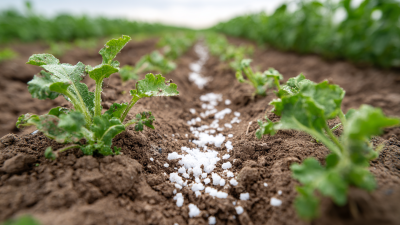
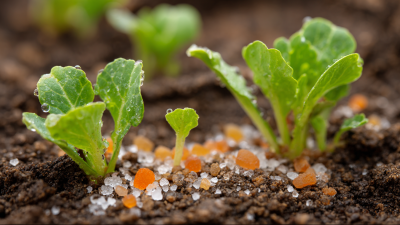
Calcium nitrate fertilizer is a popular choice among gardeners and agriculturalists. Its unique blend of calcium and nitrogen supports healthy plant growth. According to recent agricultural studies, calcium nitrate can increase crop yield by up to 30% in some scenarios. This fertilizer not only promotes strong root systems but also enhances fruit quality.
One of the key benefits of calcium nitrate is its rapid absorption by plants. This quick availability ensures that essential nutrients reach the plants when needed. Observations show that crops treated with calcium nitrate often display greener foliage and increased flowering. However, it's important to monitor soil pH levels because excessive calcium can lead to imbalances.
Moreover, while calcium nitrate is beneficial, it is essential to use it judiciously. Over-fertilization can cause nutrient lockout, diminishing the potential gains. Some farmers report a decline in yield with excessive use. Understanding the right application rates and timing is crucial for maximizing benefits. Balancing nutrient supply is a delicate process that requires continuous evaluation.
Determining the Right Dosage of Calcium Nitrate for Your Plants
Determining the right dosage of calcium nitrate is essential for optimizing plant growth. This fertilizer supplies both calcium and nitrogen. These nutrients support healthy root systems and robust plant development. However, too much can cause nutrient imbalances and harm your plants. Striking a balance is crucial.
Start by soil testing. This helps you understand existing nutrient levels. Based on results, adjust the calcium nitrate dosage accordingly. A common recommendation is around 1 to 2 pounds per 100 square feet for most crops. Always mix it well with soil.
Tips: Apply during the growing season, when plants need nutrients the most. Monitor your plants closely. If leaves turn yellow or show signs of stress, reconsider your dosage. Sometimes, less is more. Adjust your approach based on how your plants respond, not just general guidelines.
Application Methods: How to Properly Use Calcium Nitrate Fertilizer
Calcium nitrate is an excellent fertilizer for promoting plant growth. It supplies essential calcium and nitrogen. When applying it, timing and method matter.
Mix calcium nitrate with water for an effective solution. Aim for a ratio of about 1 to 2 tablespoons per gallon. Spray this mixture on the leaves for quick absorption. This method can enhance nutrient uptake significantly.
Be mindful of over-application. Too much fertilizer can lead to leaf burn. Monitor your plants closely after treatment. If tips start to brown, reduce the frequency or concentration.
Tips: Use gloves while handling fertilizer. This keeps your skin safe. Always read instructions carefully. Each type of plant may have different needs. Keep notes on your application process. This helps in refining your techniques over time.
Timing Your Fertilization: When to Apply Calcium Nitrate for Best Results
Timing is crucial when using calcium nitrate fertilizer. Application plays a significant role in achieving optimal plant growth. Apply it during key growth stages for best results. This usually includes the early growth phase and mid-season. Your plants have specific nutrient needs at these times. They will absorb the calcium and nitrogen more efficiently.
Observe your plants closely. If they show signs of nutrient deficiency, it may be time to fertilize. Yellowing leaves or stunted growth are common indicators. Soil tests can provide more precise information about nutrient levels. If you're unsure, a reluctant approach may be beneficial. Applying a smaller amount can reduce the risk of over-fertilization.
Understanding weather patterns is also important. Rain can wash away fertilizers, especially if applied right before heavy storms. Consider soil moisture and temperature too. Warmer conditions can increase nutrient uptake. However, too much heat can stress plants. It's a balance that requires attention and learning from past experiences. Each growing season can teach you something new.
Calcium Nitrate Fertilizer Application Timing and Plant Growth
Monitoring Plant Response and Adjusting Fertilizer Use Accordingly
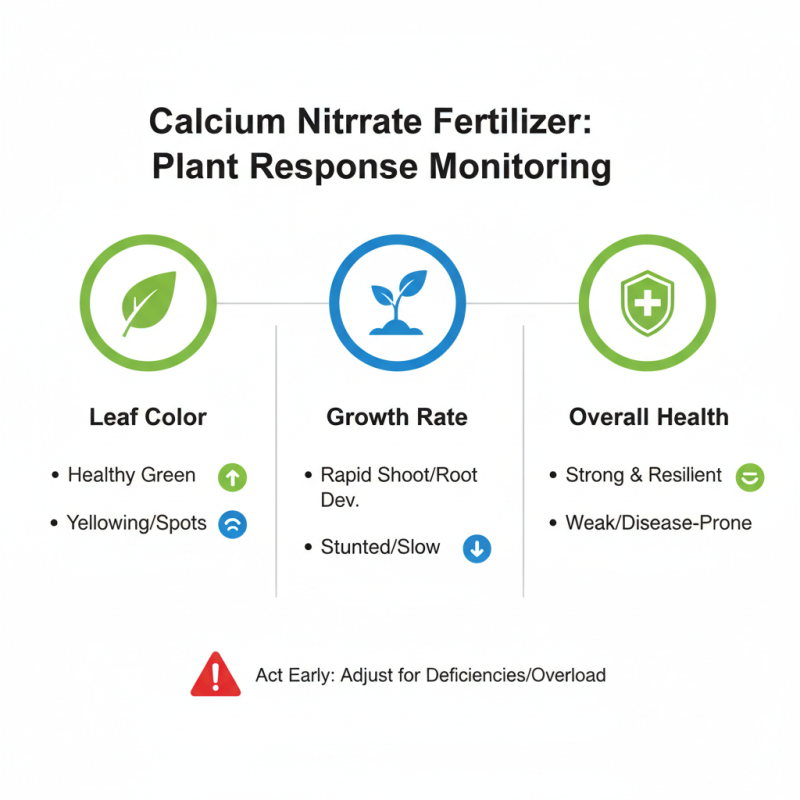
Monitoring plant response is crucial when using calcium nitrate fertilizer. Regular observation allows you to assess how plants react to the nutrient application. Checking for leaf color, growth rate, and overall health can provide immediate feedback. If plants exhibit yellowing leaves or stunted growth, it may indicate nutrient deficiencies or overload.
Adjusting fertilizer use is vital for optimal results. Test soil regularly to gauge nutrient levels. This helps prevent over-fertilization, which can harm plants. Reducing fertilizer application in response to negative plant signals is essential. Remember, every plant species has unique needs. What works for one might not suit another.
Sometimes, even with careful observation, the outcome may surprise you. Plants can be unpredictable. A sudden growth spurt might follow a reduction in fertilizer. Or, signs of distress may linger despite adherence to schedules. Continuous learning and adaptation are key. Experimentation, even if flawed, can lead to better understanding of plant needs.