How to Use Potassium Nitrate for Plant Growth in Your Garden?
Potassium Nitrate is a powerful fertilizer. It contains both potassium and nitrogen. These nutrients are critical for plant growth. Using Potassium Nitrate improves root development. It also enhances flowering and fruiting.
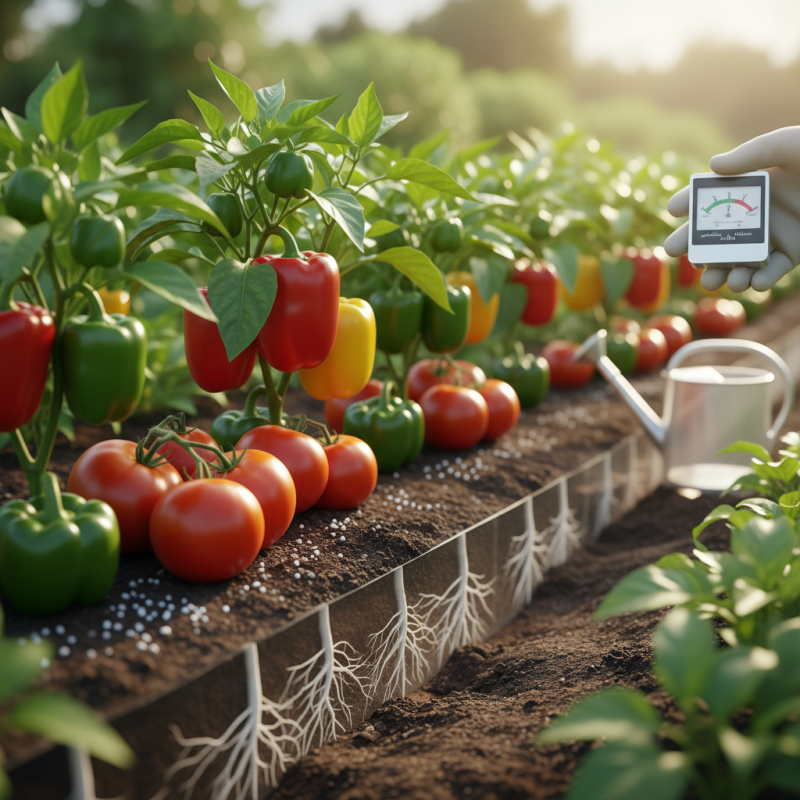
In your garden, Potassium Nitrate can boost crop yields. Veggies such as tomatoes and peppers thrive with it. However, it’s essential to apply it correctly. Overuse can lead to nutrient burn. Plants might struggle, and soil quality may suffer.
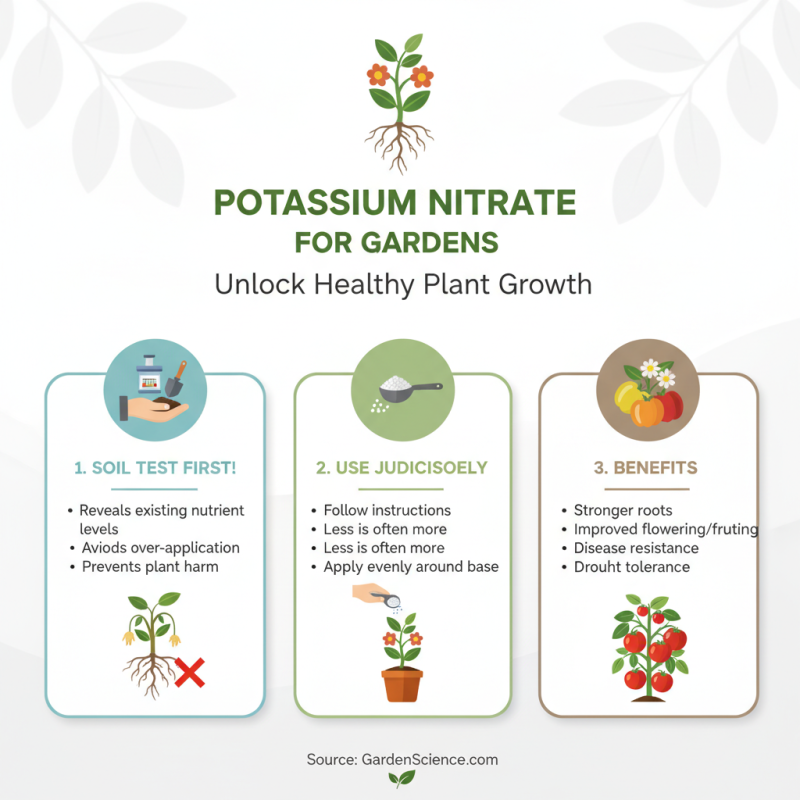
Understanding how to utilize Potassium Nitrate is key. You’ll want to test your soil first. Knowing nutrient levels helps you avoid potential pitfalls. This balance is crucial for achieving a healthy garden.
Understanding the Role of Potassium Nitrate in Plant Growth
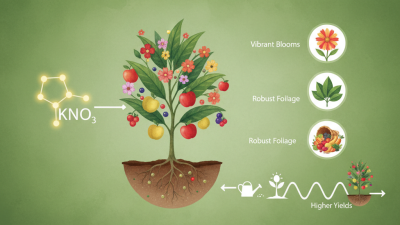
Potassium nitrate plays a vital role in plant growth. It contains two essential nutrients: potassium and nitrogen. Potassium is crucial for many processes, including water regulation and enzyme activation. It helps plants build strong cell walls. This nutrient supports flowers and fruit development. Without it, growth can be stunted.
Nitrogen, on the other hand, is key for protein synthesis. It promotes lush, green foliage. A balanced supply of both elements is necessary. However, overusing potassium nitrate can lead to problems. Too much nitrogen can cause rapid growth but weakens plants. This results in more pest problems. It's essential to apply it carefully. Observing your plants can provide valuable feedback. Do they thrive or show signs of distress? Understanding your soil's needs is equally important. Testing can guide your application rates.
Benefits of Using Potassium Nitrate for Garden Plants
Potassium nitrate is a powerful fertilizer for garden plants. Its ability to supply essential nutrients can enhance plant growth significantly. This compound provides both potassium and nitrogen, which are crucial for healthy development. Plants benefit from better root growth and increased yield. The nitrate form of nitrogen is readily available for plants. This leads to quicker green growth.
When using potassium nitrate, it's important to apply it correctly. Over-application can harm plants. A teaspoon per gallon of water is a good starting point. Always test a small area first. Observe how your plants respond before proceeding. Adjust the amount as needed. Every garden is unique and requires different care.
Consider using potassium nitrate before the blooming stage. It can boost flower and fruit development. However, it's vital not to rush. Plants need time to absorb nutrients. Regular monitoring is key. Keep an eye on the plants’ health. Look for signs of nutrient deficiency or excess. This helps to refine your approach. Balancing nutrients is crucial for a thriving garden.
How to Apply Potassium Nitrate in Your Garden Effectively
Potassium nitrate is a valuable nutrient for plant growth. Using it effectively in your garden requires some knowledge and care. Start by testing your soil. A soil test can reveal the existing nutrient levels. You don’t want to overapply potassium nitrate. Too much can harm your plants.
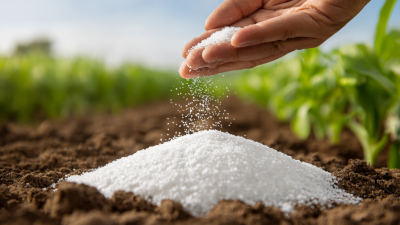
When you decide to apply it, consider the form. Potassium nitrate is available as granules or in liquid form. Granules should be mixed into the soil. Use a shallow hoe to incorporate the granules. For liquid forms, dilute according to the instructions. Apply it directly to the base of the plants, avoiding the leaves.
Timing is also key. Apply during the growing season, ideally in spring. Watch for plant response. If leaves turn yellow, you may be applying too much. Adjust your application as needed. It is vital to monitor how different plants react. Every garden has its unique challenges, and learning from them will help improve your gardening skills.
Safety Precautions When Using Potassium Nitrate in Gardening
When using potassium nitrate in your garden, safety is crucial. Always wear gloves and a mask. This prevents skin and respiratory irritation. It's important to store it out of children's reach. Accidental ingestion can be harmful. Be mindful of your surroundings. Strong winds can spread particles, so apply potassium nitrate when it's calm.
Mixing potassium nitrate with other fertilizers requires caution. Some combinations may lead to hazardous reactions. Test soil and plant compatibility before application. Conduct a small trial on a few plants. Monitor for any adverse reactions. Adjust your usage based on these observations.
Overuse can lead to nutrient imbalances. Watch your plants closely for signs of distress. Yellowing leaves or stunted growth may indicate issues. A balanced approach is essential. Utilize potassium nitrate wisely and respect the safety guidelines for better gardening results.
Impact of Potassium Nitrate on Plant Growth
Alternative Fertilizers to Consider Alongside Potassium Nitrate
When considering alternative fertilizers alongside potassium nitrate, several options can enhance your garden's growth. Fish emulsion is one such choice. It provides a balanced mix of nutrients. This organic fertilizer is especially rich in nitrogen, which benefits leafy greens. It's easy to apply, but its strong odor can be off-putting.
Bone meal is another effective alternative. It offers phosphorus and calcium. These nutrients are crucial for root development and flower production. Apply it during planting or when you see flowering to maximize its benefits. However, be careful not to overuse it; too much can lead to nutrient imbalances.
Tips: Always test your soil before adding any fertilizer. This ensures your plants get what they truly need. Mixing different fertilizers can also be helpful, but do so cautiously. Monitor your plants for signs of distress. Adjust your application based on their health. Remember, a little extra care can lead to a flourishing garden.