How to Use Water Soluble P Fertilizer for Optimal Plant Growth?
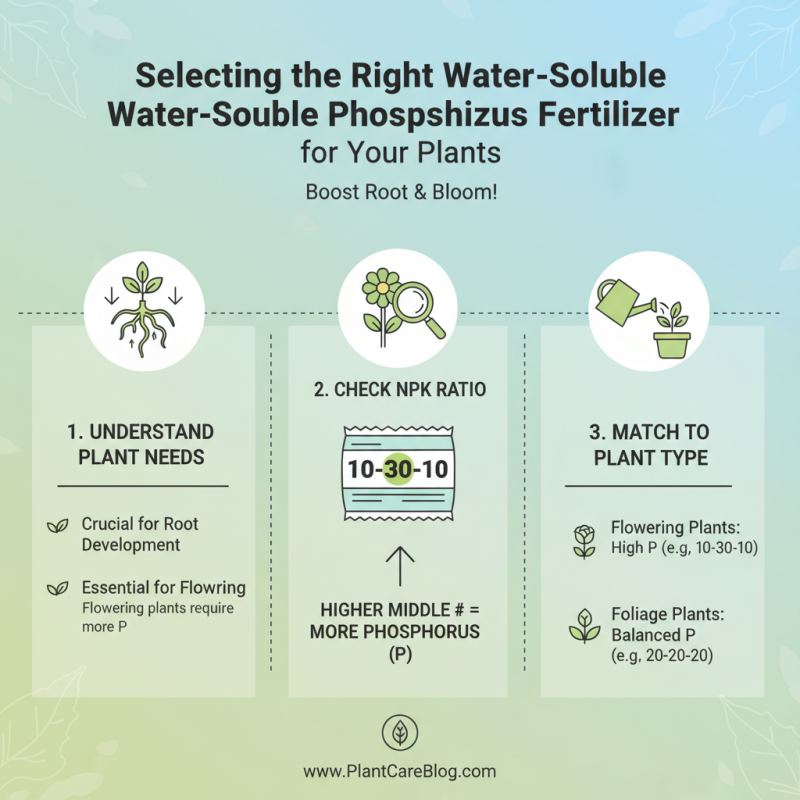
Water Soluble P Fertilizer plays a vital role in enhancing plant growth. This type of fertilizer is effective due to its high solubility. Studies show that phosphorus is crucial for root development and flowering. Effective use of phosphorus can boost yields significantly.
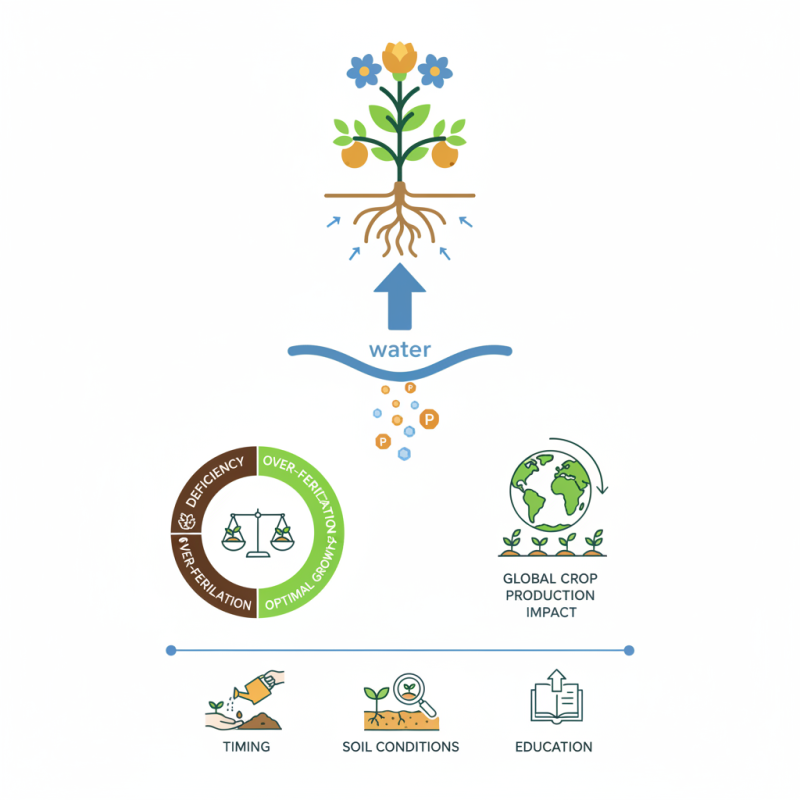
According to the Food and Agriculture Organization, phosphorus deficiency affects global crop production. Farmers often struggle with insufficient nutrient management. Many do not realize that over-fertilization can harm plants and the environment. Striking the right balance is essential for optimal growth.
Employing Water Soluble P Fertilizer is not just about application. It requires understanding plant needs and soil conditions. The timing of application matters greatly. Some growers overlook this aspect, leading to suboptimal results. Ongoing education is necessary for better practices. Improving knowledge can lead to sustainable farming.
Understanding Water Soluble P Fertilizer: Basics and Benefits
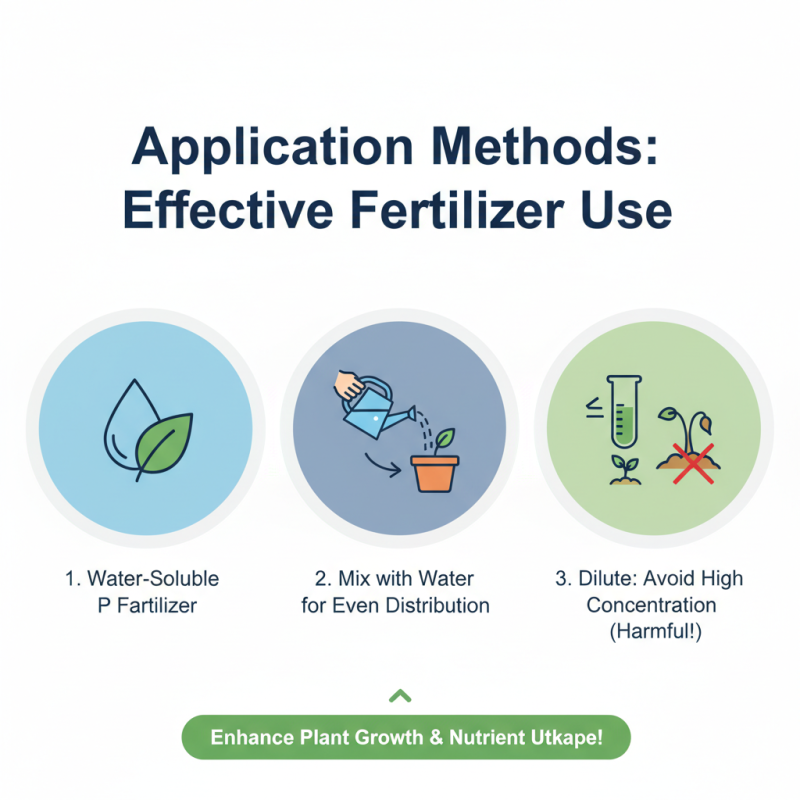
Water soluble phosphorus (P) fertilizer plays a crucial role in plant growth. It is designed to dissolve quickly in water, ensuring easy absorption by plants. This type of fertilizer provides essential nutrients, promoting root development and flowering. When applied correctly, it can significantly enhance plant health and yield.
Understanding the advantages of water soluble P fertilizer is vital for successful gardening. This fertilizer is especially useful in different growth stages. It supports seedlings and boosts fruit production. However, dosage is important. Too little will not suffice, while too much can damage plants. Observing plant responses is essential to find the right balance.
Many gardeners find it challenging to apply these fertilizers effectively. Over and under-fertilization are common issues. Adjusting water-soluble fertilizers based on soil tests can improve outcomes. Keeping a close eye on plant growth can help in making necessary adjustments. This practice allows gardeners to refine their techniques over time, leading to better results.
Plant Growth Comparison with Water Soluble P Fertilizer
This bar chart illustrates the growth of plants over a period of five weeks when using water soluble P fertilizer. As seen, there is a steady increase in plant height, indicating the effectiveness of the fertilizer in promoting optimal plant growth.
Timing and Frequency of Application for Optimal Results
When using water soluble P fertilizer, timing and frequency of application are crucial. Plants thrive when they receive nutrients at the right moment. Typically, applying the fertilizer during the growing season yields the best outcomes. This usually spans from early spring to late summer. Observing your plants can guide you in determining when they need an extra boost.
Keep in mind that over-fertilizing can harm your plants. It's important to follow recommended dosages. Start with a smaller amount to see how your plants react. If they thrive, you can gradually increase the frequency. One common tip is to apply this fertilizer every 4-6 weeks during the growing season. However, be attentive to watering needs, as more water may dilute the nutrients.
Monitor your plants for any signs of nutrient deficiency. Yellowing leaves or stunted growth can be indicators that they need more phosphorus. It’s best to adjust your plan based on their condition. Observing changes can help refine your fertilizing schedule. Don’t rush through this process; learning takes time. Each plant may respond differently, so patience is essential for optimal results.
How to Use Water Soluble P Fertilizer for Optimal Plant Growth?
| Plant Type |
Application Timing |
Frequency of Application |
Dosage (per 100 liters of water) |
| Tomatoes |
3-4 weeks after planting |
Every 2 weeks |
10 grams |
| Peppers |
During flowering stage |
Every 10 days |
8 grams |
| Lettuce |
2 weeks after sowing |
Weekly |
5 grams |
| Cucumbers |
When the first flowers appear |
Every 14 days |
12 grams |
| Strawberries |
After fruit set |
Every 3 weeks |
15 grams |
Monitoring Plant Response: Adjusting Fertilizer Use as Needed
When using water soluble P fertilizer, monitoring plant response is crucial. Plants show clear signs when they absorb phosphorus effectively. For instance, leaves may turn vibrant green, and root systems develop more robustly. Research indicates that optimal phosphorus levels can enhance flowering and fruiting significantly. However, overuse can lead to nutrient imbalances.
Adjusting fertilizer applications based on plant response is critical. Soil testing can guide how much fertilizer to use. According to data from agricultural studies, plants consuming too much phosphorus may exhibit stunted growth and leaf burn. Frequently reassessing plant health allows for fine-tuning. Keep an eye on leaf color and growth rate. Subtle changes can signal the need for adjustments.
Additionally, factors like soil type and crop variety affect how plants utilize phosphorus. For instance, sandy soils may require more frequent applications due to leaching. It's essential to reflect on your fertilization strategy. Regular monitoring helps prevent under or over-fertilization. This ongoing process ensures plants receive the right nutrients for their specific growth stage.