What is Water Soluble Fish Fertilizer and How Does It Work?
Water Soluble Fish Fertilizer is becoming popular among gardeners and farmers. This type of fertilizer offers a unique blend of nutrients. It is derived from fish waste or whole fish. The nutrients are readily available for plants. They are particularly beneficial for growth and soil health.
Using Water Soluble Fish Fertilizer can enhance plant vigor. The amino acids and proteins present stimulate root development. This helps plants absorb more nutrients from the soil. However, its smell can be off-putting for some. Many gardeners struggle with the odor, yet the results can be impressive.
It's important to apply the right amount. Too little may not show noticeable effects. Too much can lead to nutrient burn. Balancing is key. With careful application, Water Soluble Fish Fertilizer can lead to healthier plants and richer yields. Embracing this method may take time and practice. It encourages a deeper connection with gardening.
What is Water Soluble Fish Fertilizer and Its Key Components
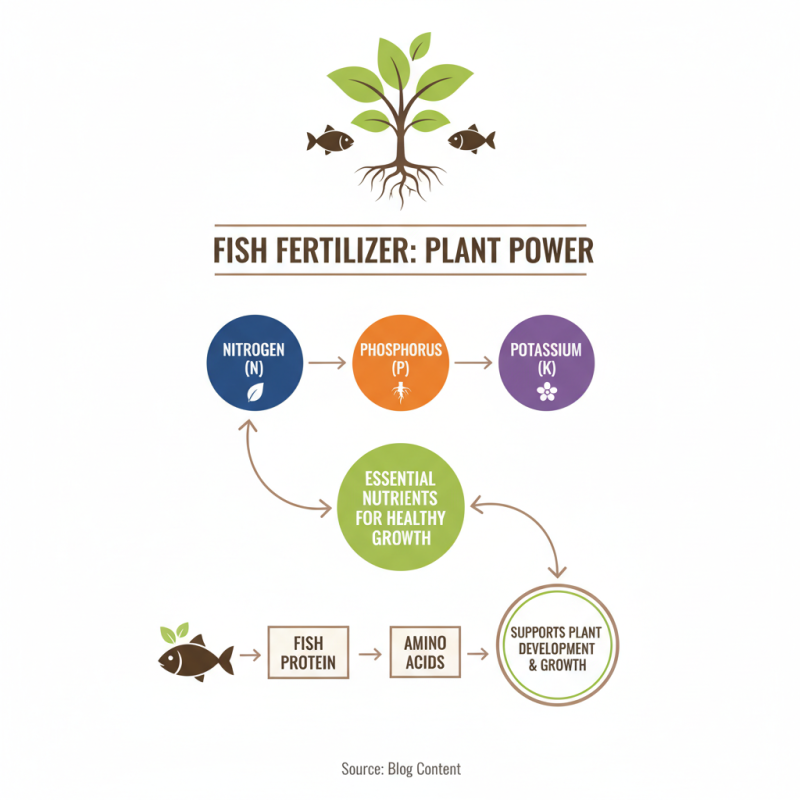
Water soluble fish fertilizer is a unique nutrient source for plants. It contains essential elements like nitrogen, phosphorus, and potassium. These nutrients are vital for plant growth. The fish byproducts are rich in amino acids, which aid in soil health. This fertilizer dissolves easily in water, making it convenient for application.
When using water soluble fish fertilizer, be mindful of the concentration. Too much can harm plants. The nutrients can leach into the soil, ensuring plants receive what they need. However, an overabundance might lead to nutrient burn. Finding the right balance is key for optimal growth.
Microorganisms in the soil thrive on fish fertilizer. This improves soil structure and health. Healthy soil supports strong plant roots. Yet, it's crucial to avoid overuse. Excessive application can disrupt the ecosystem. Always observe your plants and adjust accordingly. Experimentation might be needed to discover the perfect mix for your garden.
What is Water Soluble Fish Fertilizer and How Does It Work?
| Component |
Description |
Benefits |
Usage |
| Fish Hydrolysate |
A liquid extract derived from fish, rich in amino acids and nutrients. |
Promotes plant growth, boosts nutrient uptake, and enhances soil health. |
Dilute with water and apply every 2-4 weeks during the growing season. |
| Nutrients |
Contains essential nutrients like nitrogen, phosphorus, and potassium. |
Supports overall plant health and increases yield. |
Use as a foliar spray or soil drench for best results. |
| Micronutrients |
Includes trace elements like iron, manganese, and zinc. |
Helps prevent nutrient deficiencies and promotes robust growth. |
Mix with water and apply directly to foliage to ensure absorption. |
| Enzymes |
Natural catalysts that aid in nutrient breakdown and absorption. |
Enhances nutrient availability in the soil, leading to better plant health. |
Use during planting and growing phases for optimal results. |
How Water Soluble Fish Fertilizer Enhances Soil Health
Water soluble fish fertilizer is gaining popularity for its natural way to enhance soil health. This type of fertilizer is rich in nutrients, beneficial for healthy plant growth. It provides essential elements like nitrogen, phosphorus, and potassium in an easily absorbable form. Fish hydrolysate, a key component, contains amino acids and enzymes, improving soil structure.
Studies show that fish fertilizers can increase soil microbial activity. According to research from the Soil Science Society, a 30% increase in beneficial bacteria was noted in soil treated with fish fertilizer. This microbial boost is crucial. Healthy microbes improve nutrient cycling, promoting better roots and plant resilience. The application of this fertilizer often leads to richer yields. It is not just about plants; healthier soil supports diverse ecosystems.
However, some users find inconsistent results. Soil quality varies by region, and not every garden responds uniformly. The risk of over-application exists, potentially leading to nutrient runoff. This is important to consider. Responsible application is key to maximizing benefits while minimizing environmental impact. Fish fertilizer has much potential, but it requires careful thought and adjustment.
Application Methods and Optimal Usage Rates for Effectiveness
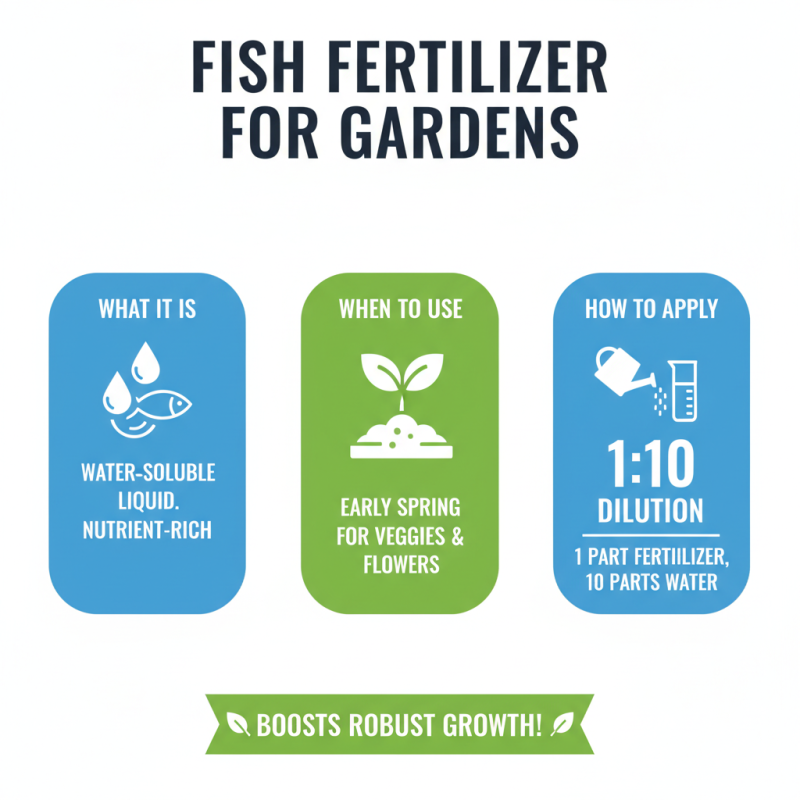
Water soluble fish fertilizer is gaining popularity among gardeners for its effectiveness. Its application methods vary, and understanding them is key to maximizing benefits. Research suggests that applying fish fertilizer in early spring promotes robust growth in vegetables and flowers. A general recommendation is to dilute one part fish fertilizer with ten parts water for optimum use.
Using a spray bottle allows for easy application. This method targets plant leaves directly, enhancing nutrient absorption. Studies indicate that foliar feeding can increase nutrient uptake by up to 50%. For soil application, it’s crucial to ensure even distribution. Over-application can lead to roots burning, which hampers plant health.
Consider the environmental impact as well. Excess nutrients can leach into waterways, causing harmful algal blooms. Therefore, adhering to recommended usage rates is essential. Experts suggest applying fish fertilizer every 4-6 weeks during the growing season. Monitor plant responses to adjust frequency. Gathering data from your garden can help refine your approach. Observing plant growth patterns is crucial for effective gardening.
Environmental Impact and Sustainability of Fish Fertilizers in Agriculture
Fish fertilizers offer a sustainable alternative to synthetic fertilizers in agriculture. They are made from fish by-products and provide essential nutrients for plants. With growing concerns about chemical runoff, fish fertilizers present an eco-friendly option. Yet, we must question the sourcing of fish. Overfishing can harm marine ecosystems.
The sustainability aspect of fish fertilizers hinges on their production methods. If sourced responsibly, these fertilizers can support biodiversity. Additionally, they improve soil health and reduce the need for chemical inputs. However, not all fish fertilizers are created equal. Some may still contribute to pollution if not processed properly.
The effectiveness of fish fertilizers in enhancing plant growth is notable. They release nutrients slowly, benefiting crops over time. But, there are concerns about consistency in nutrient content. Different batches may vary, leading to uneven results in crop yields. Farmers must remain vigilant and ensure they are using high-quality products.
Water Soluble Fish Fertilizer: Environmental Impact and Sustainability