Indoor gardening has gained immense popularity in recent years. According to a report by the National Gardening Association, 35% of U.S. households now grow plants indoors. This trend highlights the importance of using effective fertilizers. Water Soluble Indoor Plant Fertilizer plays a crucial role in this success.
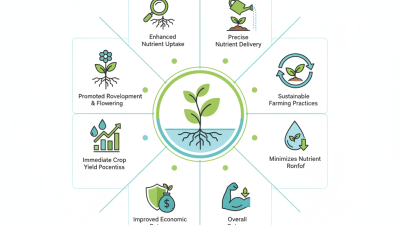
The benefits of using Water Soluble Indoor Plant Fertilizer are manifold. It allows for quick nutrient absorption, which leads to faster plant growth. Studies show that soluble fertilizers can improve plant health by up to 30% compared to traditional options. However, not all products are created equal, and it's essential to choose wisely. Over-fertilization can harm delicate roots, which is a common mistake.
Using Water Soluble Indoor Plant Fertilizer requires careful attention. The timing and dilution are vital for optimal results. Remember, even the best fertilizers cannot replace good care. Plants still need adequate light and water. A holistic approach will lead to thriving indoor gardens, but a faulty fertilization routine can hinder progress. This is where growth strategies need reflection and adjustment.
Water soluble fertilizers have gained popularity among indoor plant enthusiasts. They offer numerous benefits that can enhance plant health and growth. These fertilizers dissolve easily in water, allowing for quick absorption. This leads to faster results, which can be very satisfying for plant owners eager to see their plants thrive.
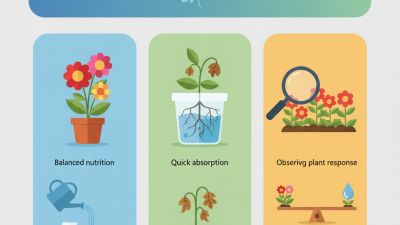
One key benefit is the ability to control nutrient levels. By adjusting the concentration of the fertilizer solution, you can tailor the feeding to match your plants' specific needs. This is especially useful for plants with varying demands. However, over-fertilizing can harm your plants. It’s essential to find the right balance and regularly monitor your plants’ reactions. Observing your plants closely can help identify if they need more or less fertilization.
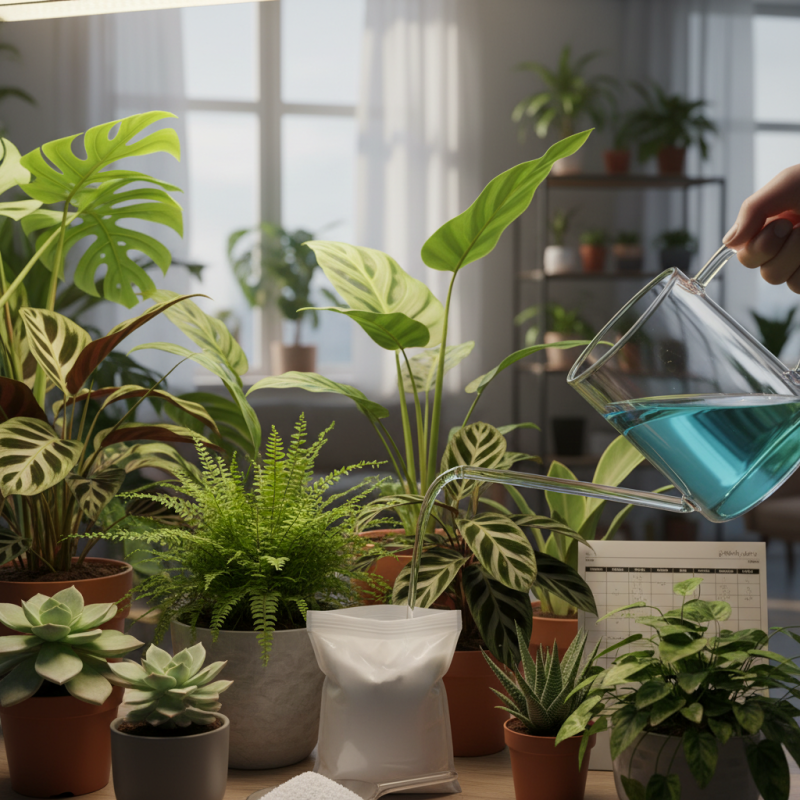
Using water soluble fertilizers also allows for easier application. You can mix the solution directly in a watering can. This method ensures that nutrients reach the root zone effectively. Yet, remember that each plant is unique. Keeping track of how different species respond can be a challenge. Regular adjustments may be needed as seasons or growth stages change. Experimentation and observation are crucial for achieving optimal results.
| Benefit | Description | Frequency of Use | Recommended Concentration |
|---|---|---|---|
| Quick Nutrient Absorption | Water soluble fertilizers allow nutrients to be quickly absorbed by plants through the roots and leaves. | Every 2-4 weeks | Dilute 1-2 teaspoons per gallon of water |
| Customizable Nutrient Ratios | Allows for tailoring of nutrient blends based on specific plant needs, like high nitrogen for leafy growth. | As needed based on plant health | Follow product instructions based on requirement |
| Reduced Risk of Over-Fertilization | Easier to control the amount of nutrients provided, minimizing the chance of damage to plants. | Monitor plant response frequently | Start with lower concentrations |
| Improved Plant Health | Consistent nutrient availability leads to stronger, healthier plants with vibrant foliage. | Ongoing with growth cycles | Refer to plant-specific needs |
| Compatibility with Various Watering Methods | Can be used with hand watering, drip irrigation, or other watering systems without clogging. | Based on watering schedule | Maintain recommended dilution |
Water-soluble fertilizers are popular among indoor gardeners due to their quick nutrient availability. These fertilizers often contain essential elements like nitrogen, phosphorus, and potassium. According to a study by the American Society of Horticultural Science, plants can absorb these nutrients almost immediately after application. This ensures rapid growth and vibrant foliage, which many indoor plant enthusiasts strive for.
The nutrient composition in water-soluble fertilizers can vary. Some formulations contain micronutrients like iron and magnesium. A report from the International Plant Nutrition Institute indicates that these trace elements are crucial for chlorophyll production. Without them, plants may exhibit signs of deficiency, such as yellowing leaves or stunted growth. Understanding this composition helps gardeners choose the right fertilizer for their specific plants.
However, overuse of water-soluble fertilizers can lead to salt buildup in the soil. This can harm root systems and ultimately affect plant health. Balancing nutrient supply with plant needs is essential. Monitoring soil health is crucial, as nutrient uptake varies based on environmental factors like light and humidity. Not all plants require the same amounts, so reflection on growth patterns can aid in improving fertilization strategies.
Applying water-soluble fertilizers to your indoor plants can vastly improve their growth. Research shows that plants often contain about 80% water. This means they thrive in a moist environment with proper nutrients. Water-soluble fertilizers quickly dissolve in water. This allows the plants to absorb essential nutrients more effectively. According to industry reports, proper application can increase growth rates by up to 30%.
When using these fertilizers, it’s important to follow the right dosage. Too much can damage plants. You might see leaves burning or stunted growth. A typical recommendation is to use one teaspoon per gallon of water. Monitor your plants closely after application. Each species has its own needs. Some require more nitrogen, while others benefit from potassium.
Timing also plays a crucial role. Fertilizing every 4-6 weeks during the growing season can yield better results. However, during dormancy, they may need less. Over-fertilization can lead to nutrient buildup in soil, which can hinder future growth. It's essential to assess if your indoor plants show signs of distress after application. Understanding these nuances will lead to healthier and happier plants.
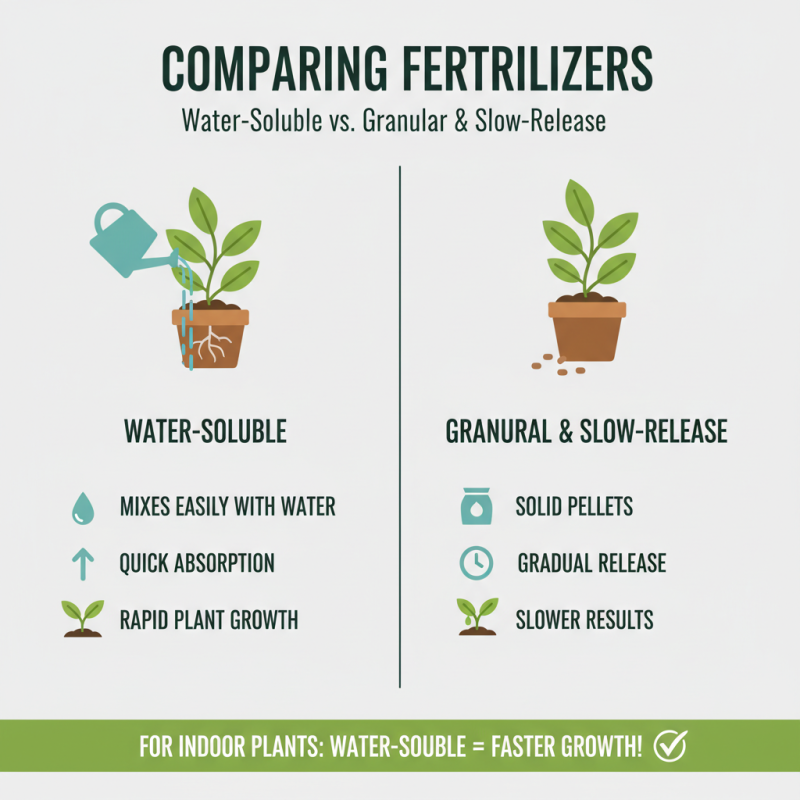
When nurturing indoor plants, choosing the right fertilizer is essential. Water soluble fertilizers offer distinct advantages over granules or slow-release types. They mix easily with water, allowing for quick absorption by plant roots. Plants respond rapidly to nutrients, thriving within a short period.
One drawback of slow-release fertilizers is their delayed effect. They require time to break down. Plants may suffer from nutrient deficiencies during this waiting period. Water soluble fertilizers enable you to adjust nutrient levels instantly based on your plant's needs.
Tip: Always check the water solubility of your fertilizer before applying. Each plant has different requirements. Too much fertilizer can harm your plant.
Consider environmental factors too. In low light, plants use less fertilizer. Over-fertilization can lead to leaf burn or stunted growth. Regularly monitor your plant's health for signs of nutrient overload.
Tip: A weekly or bi-weekly feeding schedule often works best. This ensures consistent nutrient supply without overwhelming your plants.
Choosing the right water-soluble fertilizer for your indoor plants can be tricky. Many options exist, each with unique benefits. Start by considering your plants’ specific needs. Some plants thrive on higher nitrogen, while others prefer potassium or phosphorus. Research your plant types to find their ideal nutrient balance.
Water-soluble fertilizers are easy to use. You can mix them with water and apply them directly to the soil. However, over-fertilization is a common mistake. Too much fertilizer can lead to root burn or hinder growth. It’s crucial to follow instructions carefully. Always use less than recommended and observe your plants' responses. Adjust as necessary.
Observe how your plants react after feeding. Are the leaves vibrant or browning? Note any changes in growth patterns. Some plants might show signs of nutrient deficiency despite feeding. This can be frustrating. Regular monitoring will help you refine your approach. Don't hesitate to experiment, but keep track of what works. Each plant is unique and deserves tailored care.