What is Water Soluble Nitrogen Rich Fertilizer and Its Benefits?
Water Soluble Nitrogen Rich Fertilizer plays a crucial role in modern agriculture. This type of fertilizer offers a quick source of nitrogen to plants, supporting growth and yield. According to the International Fertilizer Association, nitrogen is essential for crop development, impacting over 50% of agricultural productivity.
Farmers increasingly rely on these fertilizers. They enhance nutrient uptake and improve crop performance. Research indicates that optimized nitrogen application can boost crop yields by 20-50%. The convenience of water solubility allows for easy application through irrigation systems. However, improper usage can lead to nutrient runoff, affecting water bodies.
Balancing efficiency with environmental safety is critical. Continuous reliance on Water Soluble Nitrogen Rich Fertilizer must be evaluated. Sustainable practices should integrate these fertilizers while minimizing ecological impact. Achieving this balance can lead to profitable farming and healthier ecosystems.
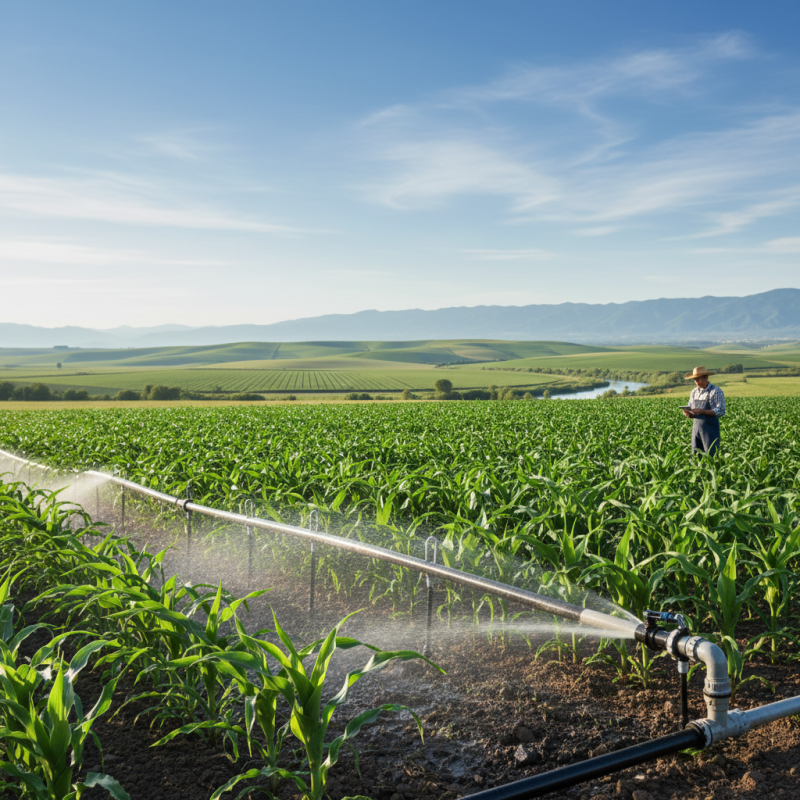
Definition of Water Soluble Nitrogen Rich Fertilizer
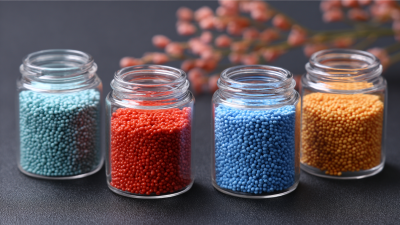
Water soluble nitrogen rich fertilizer (WSNRF) plays a vital role in modern agriculture. This type of fertilizer dissolves easily in water, making it suitable for various irrigation systems. It provides an immediate source of nitrogen, essential for plant growth. Nitrogen helps in the formation of chlorophyll and amino acids, vital for photosynthesis and protein synthesis.
Research indicates that WSNRF can increase crop yields by up to 30%, depending on the crop type and application methods. Additionally, it allows for more precise nutrient management. Farmers can apply it during critical growth stages, maximizing effectiveness. According to the latest data from agricultural studies, crops treated with water soluble fertilizers exhibit a marked improvement in health and productivity.
Tips: When using WSNRF, consider soil testing to determine specific nutrient needs. Over-fertilization can lead to nutrient runoff and environmental issues. It's essential to choose the right application rate and timing. Many farmers report better results when applying in cooler parts of the day.
While the benefits are clear, reliance on WSNRF has challenges. Continuous use without proper soil management can deplete other nutrients. Some crops may develop a dependence on high nitrogen levels, affecting their hardiness. Balancing nitrogen with other nutrients is crucial for sustainable farming practices.
Water Soluble Nitrogen Rich Fertilizer - Usage and Benefits
This chart displays the benefits and usage of Water Soluble Nitrogen Rich Fertilizer across different crops, highlighting the enhanced growth and yield improvement.
Key Ingredients and Composition of Water Soluble Nitrogen Fertilizer
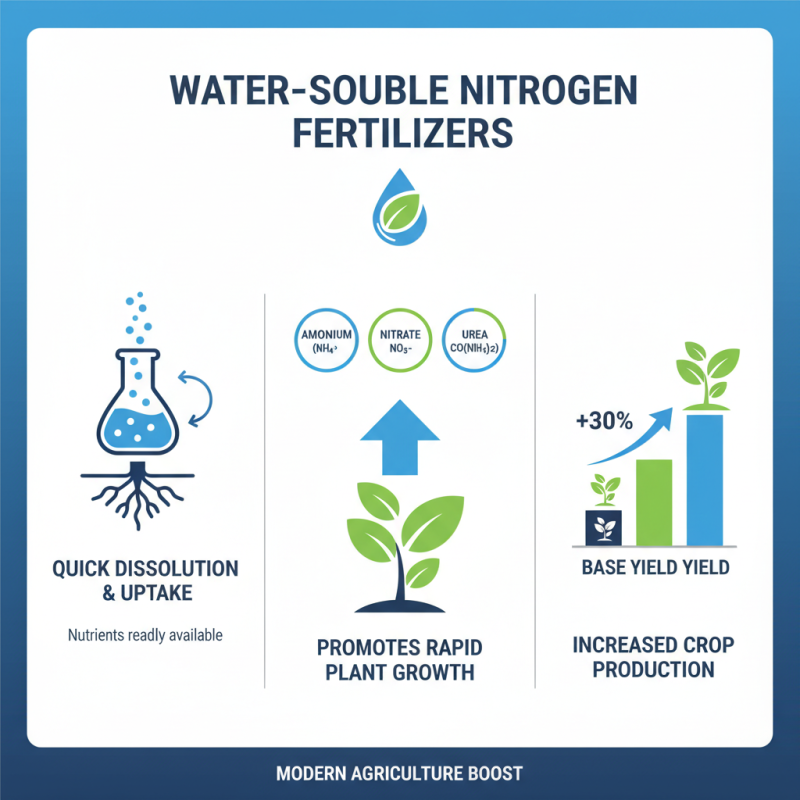
Water soluble nitrogen-rich fertilizers play a crucial role in modern agriculture. They are designed to quickly dissolve in water, making nutrients readily available to plants. These fertilizers mainly contain nitrogen in forms like ammonium, nitrate, and urea. This composition enables rapid nutrient uptake. Reports suggest that nitrogen can increase crop yield by up to 30%. Efficient absorption leads to vibrant plant growth and improved production rates.
The balance of nutrients in these fertilizers is vital. For optimal results, a typical formulation might include around 30% nitrate and 70% ammonium nitrogen. Additionally, elements like magnesium and sulfur are often included. These ingredients help enhance nutrient utilization. Research indicates that plants absorb water soluble nitrogen more efficiently than traditional fertilizers, leading to healthier crops.
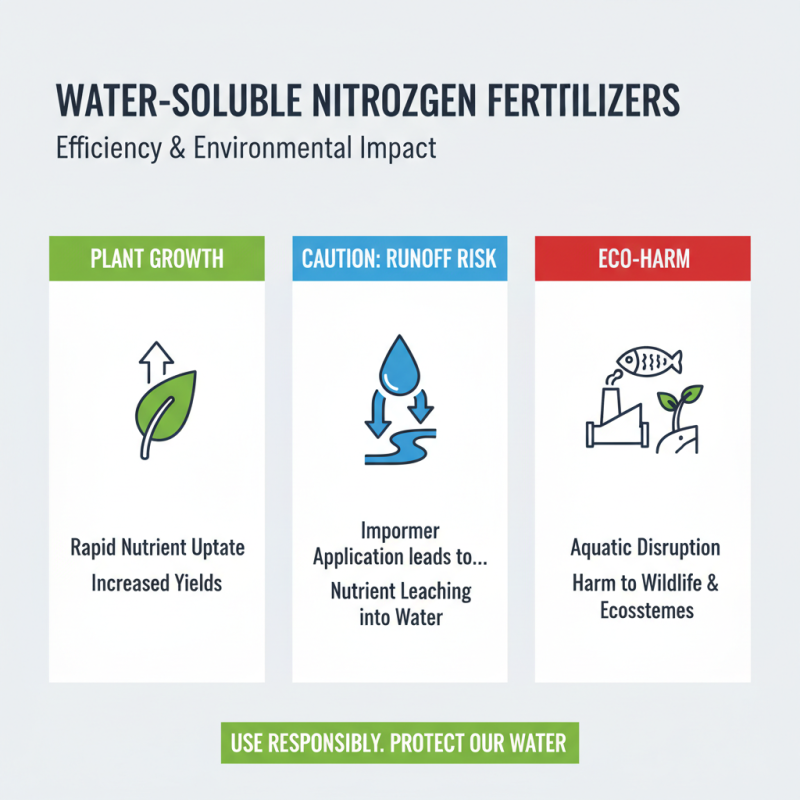
However, overuse poses risks. Excess nitrogen can leach into water systems, causing pollution. Thus, careful management is essential. Farmers must monitor soil conditions and plant needs regularly. Using technology, like soil sensors, can help fine-tune applications. Balancing between adequate fertilization and environmental responsibility remains a challenge in agriculture today.
Benefits of Using Water Soluble Nitrogen Rich Fertilizer for Plants
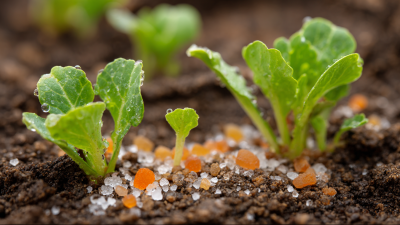
Water soluble nitrogen-rich fertilizer is beneficial for plant growth. This type of fertilizer dissolves easily in water, allowing for quick nutrient absorption. It is especially useful during the growing season. Plants show noticeable improvements in growth and vigor when these nutrients are readily available.
Using this fertilizer can lead to greener leaves and stronger stems. It enhances overall plant health. However, it's important to use it wisely. An excess can lead to nutrient imbalances. Too much nitrogen can burn roots and hinder growth. Monitoring soil conditions is crucial here.
Water soluble nitrogen-rich fertilizer also promotes flowering and fruiting. Plants tend to yield more with proper application. The right concentration matters. Each plant type may require different amounts. Observing their response is essential. Keep an eye on any signs of stress, such as yellowing leaves. Adjustments may be needed for optimal results.
What is Water Soluble Nitrogen Rich Fertilizer and Its Benefits?
| Dimension |
Details |
| Definition |
Fertilizers that dissolve in water and provide a quick supply of nitrogen to plants. |
| Key Components |
Primarily composed of ammonium nitrate, urea, or calcium nitrate. |
| Application Methods |
Can be applied through foliar sprays or irrigation systems. |
| Benefits |
Promotes rapid plant growth, enhances leaf and fruit development, and increases overall yield. |
| Environmental Impact |
If used properly, minimizes nutrient runoff and promotes sustainable farming. |
| Recommended Use |
Best used during the growing season for maximum effectiveness. |
Application Methods for Water Soluble Nitrogen Fertilizer in Gardening
Water soluble nitrogen fertilizers are essential in gardening. They provide a quick nutrient source for plants. These fertilizers dissolve in water, making them easy to apply. According to a report by the International Fertilizer Association, nitrogen fertilizers improve plant growth by 20-40%. This statistic highlights their importance in achieving healthy gardens.
Application methods vary. One popular way is through irrigation systems. This method ensures even distribution of nutrients. Foliar feeding is another effective technique. This involves spraying a diluted fertilizer solution directly onto plant leaves. Research indicates that foliar feeding can enhance nutrient uptake by up to 50%. However, gardeners must be careful with concentrations. Overuse can harm plants.
Some challenges exist. For instance, water quality can affect fertilizer effectiveness. High salinity levels in water can lead to nutrient lockout. Moreover, excessive nitrogen can promote leafy growth, reducing fruit yields. Gardener awareness is crucial to balance the application. Monitoring soil and plant health regularly helps avoid these issues. Understanding the right method is key to maximizing benefits while reducing potential problems.