How to Use Water Soluble P Fertilizer for Optimal Plant Growth?
Optimal plant growth relies heavily on nutrient availability. One of the key nutrients is phosphorus, vital for energy transfer in plants. Using water soluble P fertilizer can help achieve this.
Water soluble P fertilizer offers a straightforward way to enhance soil nutrient levels. It's easy to apply and absorbs quickly. However, attention is crucial. Over-application can lead to nutrient runoff, harming local ecosystems. This concern highlights the need for careful monitoring.
While this fertilizer can boost plant health, it’s essential to reflect on usage practices. Are we checking soil pH and nutrient levels before application? Misjudgment can lead to nutrient imbalances. It's important to find balance in using water soluble P fertilizer for the best results.
Understanding Water Soluble P Fertilizer: Basics and Benefits
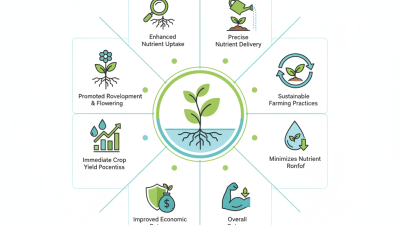
Water soluble phosphorus (P) fertilizer plays a crucial role in plant growth. It provides plants with the essential nutrients they need, especially during critical growth phases. Phosphorus enhances root development, which leads to stronger plants. Healthy roots mean better nutrient absorption and overall vitality.
Understanding the benefits of water soluble P fertilizer is key. This type of fertilizer dissolves easily in water, making it accessible to plants. It promotes flowering and fruiting, which are vital for many growers. However, over-reliance on water soluble forms can lead to nutrient imbalances. It's important to monitor soil and plant health regularly.
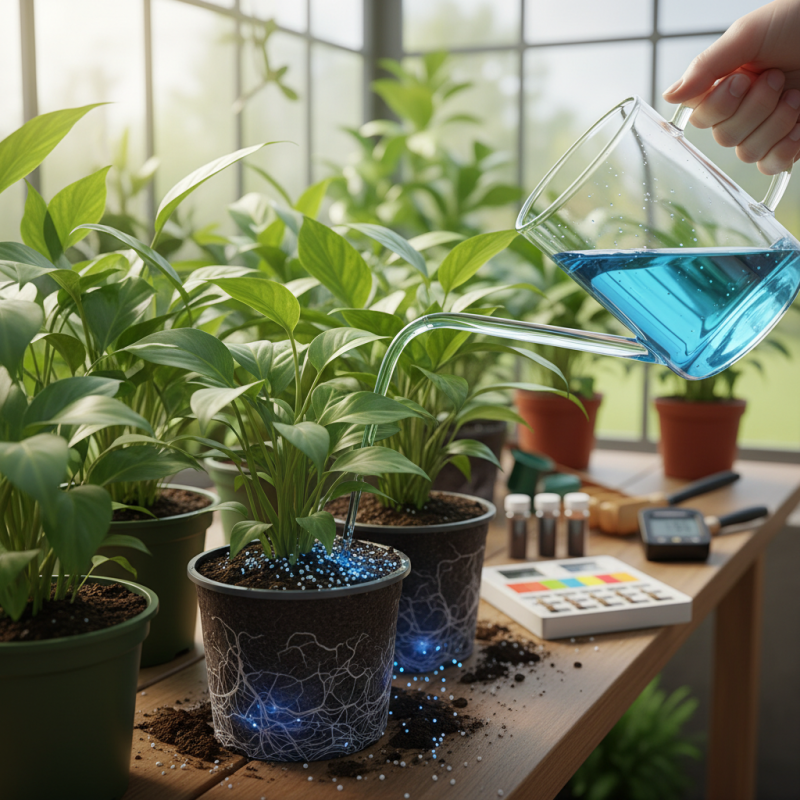
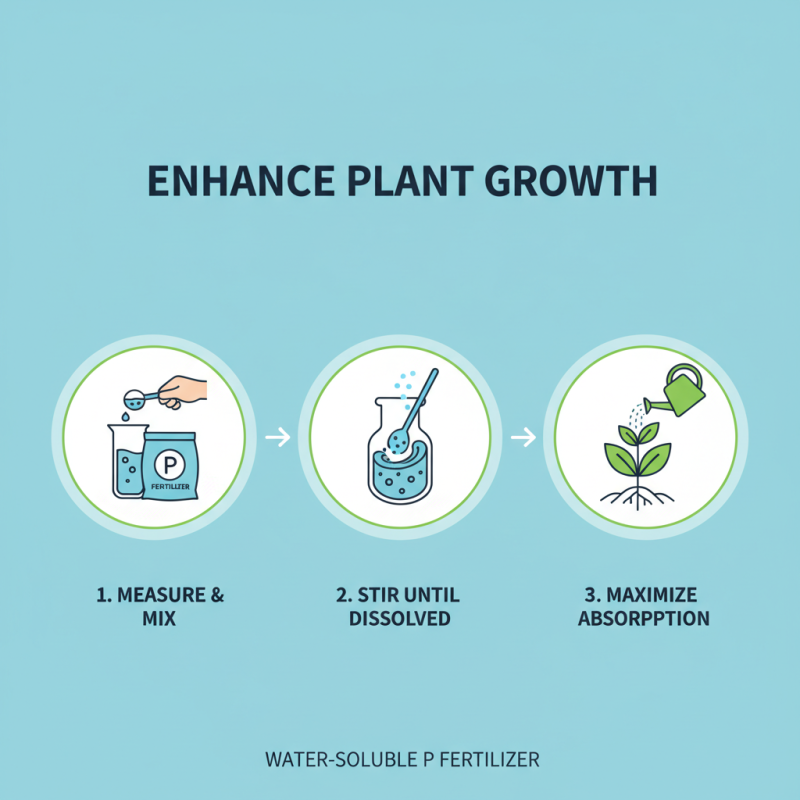
Using this fertilizer requires care and attention. Mix it with water according to specific guidelines. Ensure the concentration is appropriate; too much can harm plants. Apply it during the early morning or late afternoon to avoid nutrient loss to evaporation. Testing the soil before application can guide proper usage. This way, you’ll support optimal growth without risking over-fertilization.
Choosing the Right Water Soluble P Fertilizer for Your Plants
Choosing the right water-soluble phosphorus (P) fertilizer can make a significant difference in plant growth. Phosphorus is crucial for root development and flower production. Studies show that plants with adequate P levels can enhance their yield by up to 20%. Understanding your plants' specific needs is essential for optimal growth.
When selecting a water-soluble P fertilizer, consider your soil's nutrient profile. Conducting a soil test will reveal the existing nutrient levels. This data helps determine how much phosphorus your plants actually need. Over-fertilization can lead to nutrient runoff. This can harm the environment and reduce overall efficiency. Balance is key here.
**Tips:** In general, choose fertilizers with low to medium P values for young plants. As they mature, you can switch to higher P solutions. Watch your plants closely. Uncommon symptoms, such as purple leaf tips or stunted growth, may indicate a phosphorus deficiency. Adjust your fertilizer choice accordingly, ensuring your plants receive what they truly lack.
Water Soluble P Fertilizer Effectiveness for Different Plant Types
Timing and Frequency: When to Apply Water Soluble P Fertilizer
Timing and frequency are critical when applying water-soluble phosphorus fertilizer. To maximize its benefits, you must consider the growth stages of your plants. Generally, it's best to apply this fertilizer during the early stages of growth. The roots are developing, and phosphorus is vital for establishing a strong foundation. Early feeding boosts nutrient absorption.
Best practices suggest applying the fertilizer every four to six weeks. This frequency allows plants to utilize phosphorus effectively. Too much at once can lead to nutrient burn. Monitor the plants for signs of stress. If leaves turn yellow or brown, you may have over-applied.
Consider the weather too. Wet conditions can lead to leaching, reducing effectiveness. It’s better to fertilize after a dry spell. If you’re unsure about the timing, observing your plants can guide you. They will show signs of nutrient needs, such as stunted growth or faded color. Regularly reflect on what works and what needs adjustment. Adjust your approach as you learn from your plants' reactions.
Monitoring Plant Response to Water Soluble P Fertilizer Applications
Monitoring plant response to water soluble phosphorus (P) fertilizer is crucial for achieving optimal growth. Observing how plants react to fertilizer can reveal a lot. Look for signs of nutrient deficiency or excess. Leaf color can change. New leaves may appear greener. If they turn yellow, it could indicate over-fertilization.
Tips: Take notes on plant appearance over time. Compare plants with and without fertilizer. This helps identify the right amount for your specific plants.
Pay attention to growth patterns. Are the plants growing taller? Are they producing more branches? Monitor their overall vigor. It’s essential to assess their response regularly. Some plants may need less or more phosphorus than expected.
Tips: Use a ruler to measure growth. Document growth weekly. This data will help refine your application techniques. Remember, each plant species has different needs. Adjust accordingly based on your observations and records.
How to Use Water Soluble P Fertilizer for Optimal Plant Growth?
| Parameter |
Description |
Recommended Range |
Monitoring Technique |
Frequency of Monitoring |
| Soil pH |
Indicates acidity or alkalinity of the soil |
6.0 - 7.5 |
pH Meter |
Monthly |
| Electrical Conductivity (EC) |
Measures the soil's ability to conduct electricity, indicating nutrient levels |
0.2 - 0.8 mS/cm |
EC Meter |
Biweekly |
| Phosphorus Concentration |
Evaluation of phosphorus availability to plants |
20 - 50 mg/kg |
Soil Test Kits |
Monthly |
| Plant Growth Rate |
Measured as height increase and leaf expansion |
3 - 5 cm/week |
Tape Measure |
Weekly |
| Leaf Color |
Indicates plant health and nutrient status |
Vibrant Green |
Visual Inspection |
Biweekly |