In the realm of gardening, Water Soluble Fruit Tree Fertilizer has emerged as a revolutionary product. Renowned horticulturist Dr. Emily Carter states, “The right nutrients can transform fruit tree health and yield.” This highlights the critical role of effective fertilization in fruit production.
Using Water Soluble Fruit Tree Fertilizer offers numerous benefits that cater to both amateur gardeners and professional growers. This fertilizer ensures quick nutrient absorption, leading to faster growth rates. Users often notice vibrant fruits and enhanced flavor. However, one must be cautious about over-fertilization, which can harm plant health.
Moreover, understanding the specific nutrient needs of different fruit trees is vital. Each variety may respond differently to water-soluble formulations. Detailed research and application practices can lead to significant improvements. Overall, exploring the top benefits of Water Soluble Fruit Tree Fertilizer reveals its potential to enhance fruit yield and health while highlighting the need for responsible usage.
Water soluble fertilizers are a practical choice for growing fruit trees. They offer quick absorption, allowing trees to receive nutrients efficiently. This type of fertilizer usually dissolves in water, making it easy to mix and apply. When diluted correctly, it can lead to healthier growth and improved fruit yields.
Choosing the right balance of nutrients is crucial. Many fruit trees thrive on specific ratios of nitrogen, phosphorus, and potassium. Over-fertilizing can lead to nutrient burn, harming your plants. Observing the reactions of your trees after application can help you adjust the formula. Sometimes, a less-is-more approach may prove beneficial.
Understanding the timing of application is also key. Fertilizing during the early growth phase often yields better results. However, late applications may not be as effective. Analyzing soil health and tree conditions can inform your strategy. Results can vary depending on environmental factors like climate and soil type. Keep track of your outcomes to refine your approach over time.
Using water-soluble fruit tree fertilizer can significantly improve nutrient absorption for your plants. This type of fertilizer dissolves easily in water. When applied, nutrients reach the roots quickly. This means trees benefit from essential minerals right away. Traditional fertilizers may take longer to break down. In contrast, water-soluble options deliver immediate nourishment.
Enhanced nutrient absorption helps trees grow stronger and healthier. For instance, a tree receiving adequate potassium will produce sweeter fruit. Additionally, magnesium is vital for chlorophyll production, boosting photosynthesis. Efficient absorption can lead to vibrant leaf color and robust growth. However, over-fertilization is a risk. Too much nutrient can harm roots and reduce yields. Consistent monitoring of your trees is essential to avoid this pitfall. Finding the right balance requires attention and care.
Water-soluble fruit tree fertilizers have become increasingly popular among farmers and gardeners. They offer targeted nutrition that enhances fruit quality and yield. According to a study published in the Journal of Plant Nutrition, proper nutrient management can increase fruit yield by up to 25%. This statistic highlights the potential for farmers to improve their livelihoods through efficient fertilization practices.
Targeted nutrition means that essential nutrients are readily available for uptake. For instance, nitrogen, phosphorus, and potassium are crucial for fruit development. A study from the American Society for Horticultural Science showed that fruits treated with water-soluble fertilizers had a 15% higher sugar content. This is critical because higher sugar content directly affects fruit taste and consumer satisfaction. Farmers can grow fruits that not only look appealing but also taste better.
While these fertilizers show promise, there are challenges as well. Overuse can lead to nutrient runoff, harming local ecosystems. Monitoring application rates is essential for sustainability. Research indicates that nutrient leaching can lead to a 30% loss of applied fertilizers in some crops. It’s imperative for farmers to balance their fertilization strategies with environmental considerations. The goal is to produce high-quality fruit without compromising the surrounding ecosystem.
| Benefit | Description | Impact on Fruit | Nutrient Focus |
|---|---|---|---|
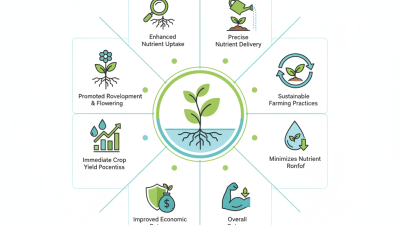
| 1. Enhanced Nutrient Uptake | Water soluble fertilizers dissolve in water, allowing for rapid absorption by plant roots. | Improves overall fruit health and potential size. | Nitrogen, Phosphorus, Potassium |
| 2. Targeted Feeding | Allows growers to tailor nutrient applications based on specific growth stages. | Maximizes fruit development and quality. | Micronutrients |
| 3. Improved Soil Health | Water soluble fertilizers can enhance microbial activity in the soil. | Leads to healthier plants with better fruit. | Organic Matter |
| 4. Increased Yield | Regular use can significantly boost overall harvest quantities. | Results in higher marketable fruit volumes. | Balanced Nutrient Ratio |
| 5. Quick Results | Nutrients are available to plants almost instantly after application. | Observably quicker fruit maturity. | Soluble Elements |
| 6. Reduced Nutrient Runoff | Water soluble formulations can minimize leaching compared to granular types. | Improves environmental impact and fruit safety. | Environmentally Friendly Elements |
| 7. Flexibility in Application | Suitable for various application methods including foliar feeding. | Customizing nutrient delivery enhances fruit taste and texture. | Versatile Nutrient Types |
| 8. Consistent Results | Provides a reliable nutrient source leading to uniform crop quality. | Promotes even ripening of fruits. | Consistent Composition |
| 9. Customizable Nutrient Blends | Can be formulated to address specific plant nutrient deficiencies. | Tailors nutrient supply to particular fruit varieties. | Targeted Nutrition |
| 10. Improved Flavor Profile | Right balance of nutrients contributes to better tasting fruit. | Enhancements in sweetness and aroma. | Flavor Enhancing Nutrients |
Sustainable gardening is gaining attention for its positive environmental impact. Water soluble fertilizers are playing a significant role. According to a report from the International Fertilizer Association, these fertilizers reduce nutrient runoff, promoting healthier soil and water ecosystems.
Research indicates that when used correctly, water soluble fertilizers can increase nutrient uptake by up to 30%. This efficiency translates into less waste and lower potential for water pollution. Organic matter in soil benefits greatly from these fertilizers, improving soil structure and biodiversity. However, overuse can lead to unintended consequences. Rain can wash excess nutrients into waterways, causing algal blooms. This highlights the importance of balance in application.
Experts emphasize the need for guidelines in usage. A study published in the Journal of Sustainable Agriculture pointed out the significance of adhering to recommended application rates. While these fertilizers offer benefits, careful monitoring is essential. The journey toward sustainable gardening involves continuous learning and adapting practices.
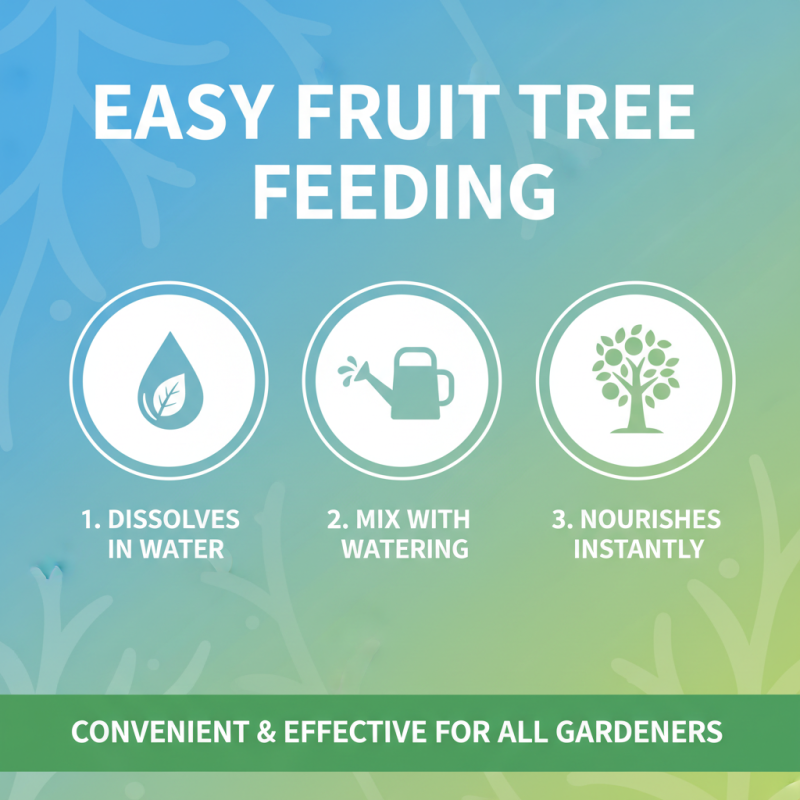
Water soluble fruit tree fertilizer is an incredible tool for garden enthusiasts. Its ease of application makes it a favorite among both beginners and seasoned gardeners. Unlike traditional fertilizers, these products dissolve quickly in water. This means you can easily mix them into your watering regimen without any hassle. Just add the required amount to your watering can, and you're set to nourish your plants effectively.
Convenience is crucial for busy individuals. The quick absorption of these fertilizers ensures that nutrients reach the plants almost immediately. This can lead to faster growth and healthier fruit production. However, it's important to follow the dosage instructions carefully. Over-fertilizing can harm your plants, causing nutrient burn. Regular monitoring of your plants is key. Keep an eye out for any signs of distress.
Water soluble fertilizers are adaptable. You can use them with various irrigation systems, whether through drip lines or standard hoses. However, remember that not every plant has the same needs. Test different schedules and concentrations to find what works best for your garden. Some plants may thrive on less frequent applications, while others need regular attention. Balancing ease of use with plant health requires thoughtful observation and adjustments.