How to Buy Potassium Nitrate from Reliable Suppliers
Buying Potassium Nitrate responsibly requires more than comparing prices. A reliable supplier should provide clear product specifications, batch traceability, and current safety documentation. Buyers should confirm purity, moisture content, particle form, packaging strength, and intended agricultural or industrial application. A polished website is not proof of reliability. Sometimes, the details matter more than the sales pitch.
Dr. Tom Bruulsema, a respected nutrient-management expert, has emphasized, “The right fertilizer decision begins with the right source, rate, time, and place.” This principle applies directly to Potassium Nitrate sourcing. The right source should answer questions quickly and accurately. Its certificate of analysis should match the shipped batch. Its safety data sheet should be complete, readable, and consistent with the product label. Ask for sample documents before placing a large order.
A careful purchasing process also checks supplier registration, export permissions, transport arrangements, and destination-country requirements. Potassium Nitrate must be handled and purchased only for lawful, declared purposes. Payment terms deserve attention too. Unusually low prices, vague company details, urgent pressure, or refusal to share documentation are warning signs. Still, no checklist is perfect. A supplier may pass an initial review and later fail on communication or delivery consistency. Keep written records, verify each shipment, and review performance over time. Reliable sourcing is not a single transaction. It is a continuing judgment built on evidence, caution, and practical experience.
Understanding Potassium Nitrate Specifications and Intended Uses
When buying potassium nitrate, specification matters more than a low quotation. Agricultural-grade material is commonly labeled 13-0-46, meaning 13% nitrogen and 46% water-soluble potassium oxide. The International Fertilizer Association’s 2024 fertilizer outlook places global nutrient demand near 200 million tonnes annually. This scale makes consistent quality important, especially for greenhouse crops and fertigation systems. Check the certificate of analysis for potassium content, moisture, chloride, insoluble matter, heavy metals, and particle size. Solubility also matters. Fine crystals dissolve quickly, while uneven material may clog filters or injectors. I have seen buyers compare only purity and miss chloride levels. That was an expensive oversight.
Tips: Ask for a recent batch-specific COA, SDS, packing date, and traceability code. Confirm the test method, not only the result. Request a small sample before ordering at scale. For food or industrial applications, verify the applicable national specification separately. The FAO’s fertilizer quality guidance emphasizes clear labeling, nutrient declaration, and contaminant control. A reliable supplier should explain storage conditions, shelf life, and transport protection. Potassium nitrate absorbs less moisture than many fertilizers, but damaged bags still create problems. Keep the product dry and sealed. Do not rely on a generic specification sheet. It may describe another grade. Intended use should guide every purchase, because agricultural, technical, and regulated applications can require different limits. Supplier checks are not paperwork alone; they are practical risk control.
How to Buy Potassium Nitrate from Reliable Suppliers
Understanding Potassium Nitrate Specifications and Intended Uses
Potassium nitrate (KNO₃) is a highly soluble inorganic salt commonly used in water-soluble fertilizers,
laboratory work, heat-transfer applications, and controlled industrial processes. When evaluating suppliers,
verify the product grade, potassium and nitrogen content, purity, moisture level, particle size, packaging,
safety documentation, and batch test certificate.
The chart shows the approximate solubility of potassium nitrate in water at different temperatures.
Solubility increases substantially as temperature rises, which is important when selecting, storing,
dissolving, or preparing potassium nitrate for its intended application.
Checking Legal, Safety, and Documentation Requirements
How to Buy Potassium Nitrate from Reliable Suppliers
Legal and safety checks should come before price comparisons.
The UN Recommendations on the Transport of Dangerous Goods, 23rd revised edition, classifies potassium nitrate as UN 1486, Class 5.1, an oxidizing substance. Requirements can differ by country, quantity, and intended use. Ask the supplier for a current Safety Data Sheet, Certificate of Analysis, batch number, origin, and transport classification. Verify the supplier’s registration, business address, and authorization to sell regulated chemicals. A professional purchasing record should also state the intended industrial, agricultural, or laboratory use.
Safety details need practical review.
Confirm packaging integrity, moisture protection, storage separation, and emergency contact procedures. OSHA’s Hazard Communication Standard requires accessible SDS information and worker training in covered workplaces. The SDS should include all 16 required sections, not a shortened product sheet. Check whether the document matches the exact grade and batch. Small mismatches can matter.
Tips:
Request documents before payment. Compare the CoA with the SDS. Confirm import and storage rules with local authorities. Do not accept unlabeled containers or vague shipping descriptions. A checklist helps, but it can still miss local requirements. Recheck the rules before every recurring purchase.
Identifying Qualified and Trustworthy Potassium Nitrate Suppliers
How to Buy Potassium Nitrate from Reliable Suppliers
Identifying a qualified potassium nitrate supplier requires more than comparing prices. I begin by checking the company’s legal registration, operating history, and documented quality system. A trustworthy supplier should provide a current Safety Data Sheet, Certificate of Analysis, and clear product specifications. These documents should match the actual shipment, not a generic template.
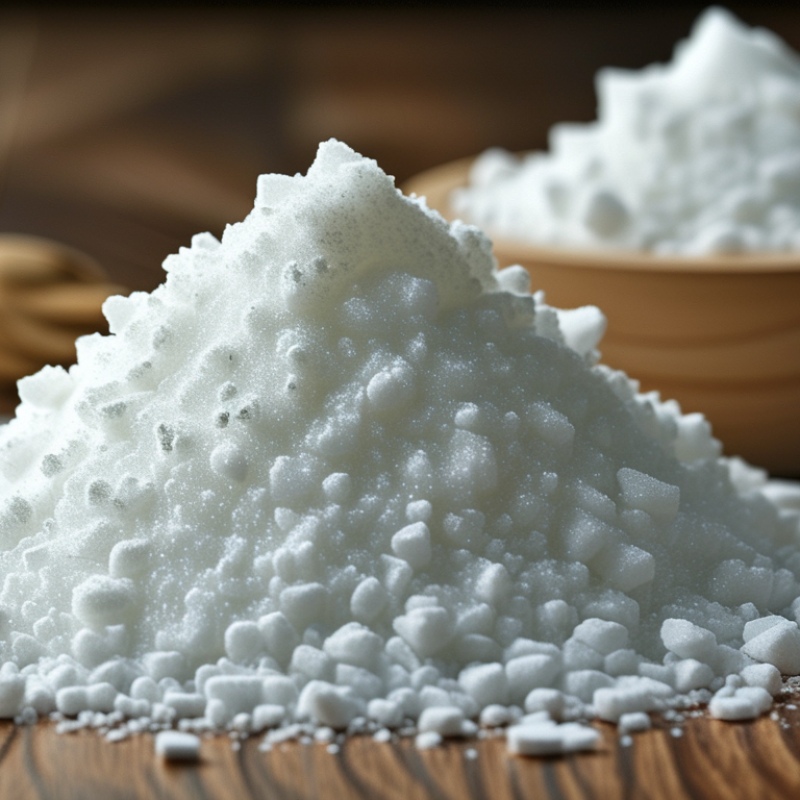
Ask about purity, moisture content, particle size, packaging, and batch traceability. The lot number should appear on the bags, invoice, and test report. I also request a small sample when practical, then compare its appearance and laboratory results with the stated specification. White, free-flowing crystals are common, but appearance alone proves little. Testing matters.
Reliable suppliers explain storage and transport conditions clearly. They should confirm suitable packaging, labeling, and compliance with applicable chemical, customs, and transport regulations. Vague answers deserve caution. So do unusually low prices. A professional supplier will ask about your intended agricultural, industrial, or laboratory use and verify required documents before shipping.
Keep written records. Always.
I have found that supplier websites can look impressive while offering limited evidence. That is an easy mistake to make. Direct conversations with technical staff often reveal more than polished marketing pages. Still, no single document guarantees reliability. Review several deliveries, monitor batch consistency, and reassess the supplier when certificates, packaging, or response times begin to change.