How to Choose the Best Potassium Nitrate Fertilizer for Plants?
Choosing the right potassium nitrate fertilizer is crucial for optimal plant growth. It helps improve crop yield and increase nutrient absorption. According to a report from the International Fertilizer Association, potassium nitrate plays a significant role in crop nutrition, particularly for high-value plants.
Expert agronomist Dr. Elena Vargas states, "Selecting the appropriate potassium nitrate fertilizer can make a substantial difference in plant health." Her insights highlight the importance of understanding the specific needs of different plants. Using potassium nitrate fertilizers can enhance flowering, fruit set, and overall vigor if applied correctly.
Nonetheless, farmers often face challenges. Misunderstanding the concentration or application rate can lead to inefficiencies. Additionally, assessing soil conditions is vital yet frequently overlooked. Opting for the best potassium nitrate fertilizer demands a balance of expertise and intuition. Thus, exploring various options and consulting with professionals is essential for success.
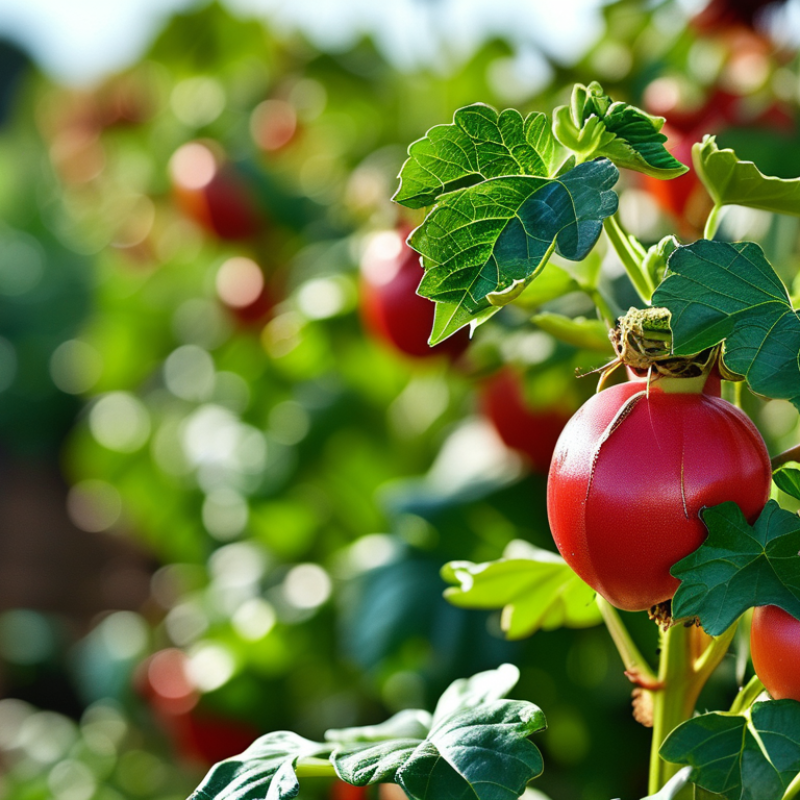
Understanding Potassium Nitrate and Its Role in Plant Growth
Potassium nitrate is essential for nutrient uptake in plants. It provides a source of potassium, which strengthens plant cell walls, and nitrate, which is vital for protein synthesis. Research shows that potassium nitrate improves flowering and fruiting. In fact, studies indicate that crops treated with potassium nitrate have shown a yield increase of up to 30%. This trend highlights its importance in agriculture.
Understanding the correct application of potassium nitrate can make a significant difference. Soil testing is necessary to determine existing nutrient levels and pH. According to the American Society of Agronomy, deficiencies in nitrogen and potassium can hinder growth, affecting productivity. Over-application can lead to leaching and environmental concerns. Balanced use is critical for sustainable practices.
Farmers and gardeners need to monitor their plants closely. Observing signs of nutrient deficiency or excess can guide adjustments. The right potassium nitrate fertilizer can lead to healthier plants and better yields. However, it requires a nuanced approach, considering local soil conditions and specific plant needs. Inconsistent results may prompt reevaluation of scheduling and amounts used in fertilization.
Potassium Nitrate Fertilizer: Effects on Plant Growth
Evaluating Different Forms of Potassium Nitrate Fertilizers
When selecting potassium nitrate fertilizers, understanding their various forms is crucial. Potassium nitrate is available in several types, including granular, soluble, and slow-release formulations. Each has its unique benefits and drawbacks. Granular forms can be easy to apply but may take longer to dissolve in the soil. This delay can lead to short-term nutrient deficiency in some plants.
Soluble forms dissolve quickly in water, making them ideal for applications requiring immediate nutrient availability. However, they can leach from the soil rapidly, particularly in sandy soils. This might leave you questioning the effectiveness of your investment. Slow-release fertilizers offer a more controlled nutrient supply over time, reducing the risk of nutrient loss. Yet, this can lead to overfertilization if not monitored carefully, which is something growers should consider.
The choice of potassium nitrate depends on specific plant needs and environmental conditions. Understanding soil type, moisture levels, and plant growth stages is essential. Evaluating the pros and cons of each form is vital. Finding the right balance is not always straightforward, and it may require some experimentation. Ultimately, being informed and adaptable will lead to healthier plants and improved yields.
Determining the Right Concentration of Potassium Nitrate for Your Plants
Potassium nitrate is a significant source of nitrogen and potassium, two essential nutrients for plant growth. To determine the right concentration for your plants, consider the specific needs of your crop. Research indicates that most plants thrive with potassium nitrate concentrations between 0.5% and 2.0%. However, this range can vary significantly based on soil conditions and plant type. Regular soil testing is beneficial in adjusting the concentration as needed.
Proper application techniques matter. Overapplication can lead to nutrient burn and negatively affect plant health. It is often recommended to start on the lower end of the concentration range. Monitor your plants’ response closely. If you notice yellowing leaves or stunted growth, rethink your approach. This caution can prevent long-term damage.
Watering frequency also plays a role in nutrient uptake. Excessive watering can wash away potassium nitrate, while insufficient moisture can hinder absorption. Striking a balance is key. Always aim for a consistent approach to watering and fertilization. Remember, trial and error are part of the learning process. Through careful observation and adjustment, you can find the optimal concentration for your plants' health and yield.
How to Choose the Best Potassium Nitrate Fertilizer for Plants? - Determining the Right Concentration of Potassium Nitrate for Your Plants
| Plant Type |
Recommended Nitrate Concentration (g/L) |
Application Frequency (per Month) |
Optimal Growth Stage |
| Tomatoes |
1.0 - 2.0 |
2-3 |
Flowering & Fruit Setting |
| Peppers |
0.5 - 1.5 |
3-4 |
Growth & Blooming |
| Lettuce |
0.3 - 0.8 |
1-2 |
Early Growth |
| Cucumbers |
0.5 - 1.0 |
2-3 |
Fruit Development |
| Carrots |
0.2 - 0.6 |
1-2 |
Root Development |
Assessing Soil and Plant Needs Before Application of Fertilizers
Assessing soil and plant needs is crucial before applying fertilizers like potassium nitrate. Understanding your soil’s nutrient levels helps prevent over-fertilization. A simple soil test can reveal essential information about pH and nutrient content. Most local extension services offer testing services at reasonable prices.
Regular monitoring of your plants is essential. Look for signs of nutrient deficiency, such as yellowing leaves or stunted growth. These symptoms can guide your fertilizer choices. Potassium nitrate supports flowering and fruit development. However, applying too much can lead to nutrient imbalances in the soil.
Check soil moisture before application. Dry soil absorbs fertilizers differently than moist soil. Timing is also vital; applying during cooler parts of the day can reduce evaporation losses. Adjusting your application rate based on weather conditions helps in achieving better results. Regularly reevaluating your soil and plant health ensures that you apply the right amount of potassium nitrate at the right time. Monitoring plant responses after fertilizer application can provide valuable feedback for future gardening.
Best Practices for Applying Potassium Nitrate in Gardening and Farming
Applying potassium nitrate in gardening and farming requires careful planning. Understanding the specific needs of your plants is essential. Each plant type may respond differently to potassium nitrate. A soil test can help determine nutrient levels. This insight can guide how much potassium nitrate to use.
When applying potassium nitrate, timing is crucial. It's best used during the growing season. Early application can lead to nutrient runoff, which is wasteful. Make sure to water the soil before application. This helps the plant absorb nutrients more effectively. Mixing potassium nitrate with water ensures even distribution.
Overuse can harm plants. Signs of excess include leaf burn and stunted growth. It's important to monitor your plants after application. Keep a journal to note changes. This practice can help refine future applications and improve overall plant health. Always aim for balance to achieve the best results in your garden.