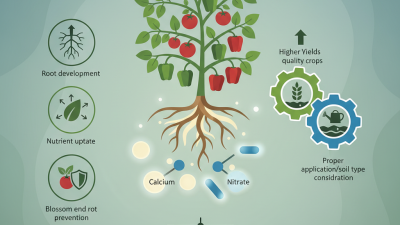
How to Use Potassium Nitrate Fertilizer for Maximum Yield?
Potassium Nitrate Fertilizer is a vital component for achieving high agricultural yields. This fertilizer supplies essential nutrients, particularly potassium and nitrogen, which promote plant growth. Understanding how to effectively use Potassium Nitrate Fertilizer can significantly impact crop production.
Farmers often face challenges in optimizing fertilizer use. The balance between too much and too little is crucial. Incorrect application can lead to nutrient lock-up or even plant damage. It’s important to analyze soil conditions before applying Potassium Nitrate Fertilizer. Testing soil pH and nutrient levels provides guidance for precise applications.
Additionally, timing and method of application matter. Employing the right techniques can enhance nutrient absorption. It may take some trial and error to find the best approach for specific crops. Observing how plants respond to Potassium Nitrate Fertilizer is essential for developing effective fertilization strategies. Being mindful of potential over-reliance on fertilizers is key as well.
Understanding Potassium Nitrate: Benefits for Plant Growth
Potassium nitrate (KNO3) is a widely recognized fertilizer, known for its beneficial effects on plant growth. It supplies two essential nutrients: potassium and nitrogen. These elements play a crucial role in many physiological processes. For example, potassium enhances water regulation, while nitrogen boosts protein synthesis.
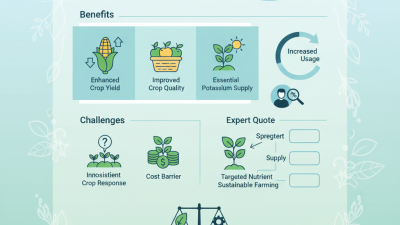
Research indicates that potassium nitrate can increase yields by up to 20%. A study published in the "Journal of Plant Nutrition" found that crops treated with potassium nitrate had larger fruits and stronger plants. This is largely due to the fertilizer’s ability to improve photosynthesis. Enhanced photosynthesis leads to better energy production, which in turn supports higher growth rates.
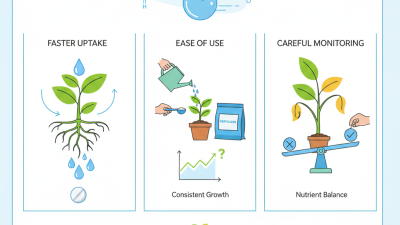
However, using potassium nitrate requires careful consideration. Over-application can lead to nutrient imbalances. Soil testing is essential before application. Moreover, different plants have varying nitrogen requirements. As such, tailored applications based on specific crop needs can optimize benefits. Monitoring growth and adjusting application rates can also help in achieving optimal results.
Impact of Potassium Nitrate Fertilizer on Crop Yield
Identifying Suitable Crops for Potassium Nitrate Fertilizer
Potassium nitrate fertilizer is known for its ability to enhance crop yields. However, not all crops respond equally to this nutrient. Several studies indicate that leafy greens like spinach and lettuce thrive with potassium nitrate. These crops require high potassium levels for optimal growth, resulting in denser foliage and better flavor profiles. Research shows that nitrogen, mainly from potassium nitrate, boosts the growth rate of these plants significantly.
Root vegetables, such as carrots and potatoes, can also benefit from potassium nitrate. The fertilizer aids in cell wall strength, improving the texture of the produce. According to data from agricultural reports, applying potassium nitrate during the early growth stages increases the yield by up to 15%. Yet, caution is necessary; over-application can harm crops. Test soil frequently to avoid nutrient imbalances.
Some farmers overlook flower and fruiting plants when using potassium nitrate. However, crops like tomatoes and peppers also show marked improvements in yield. Studies reveal that potassium boosts fruit quality and size. Still, field variability can affect results. Understanding local soil conditions is crucial for effective fertilization. Adopting a tailored approach could help maximize the benefits of potassium nitrate across diverse crop types.
Dosage Guidelines for Applying Potassium Nitrate in Your Garden
When applying potassium nitrate in your garden, dosage is crucial for maximizing yields. This fertilizer is rich in both potassium and nitrogen, essential for plant growth. A good starting point is to apply about 0.5 to 1 pound per 100 square feet of garden area for vegetables and flowering plants. Mix it into the soil before planting or use it as a side dressing during the growing season.
For optimal results, split applications throughout the growing season may be beneficial. Consider applying 0.2 to 0.5 pounds every four to six weeks. Pay attention to your plants, as some may show signs of nutrient burn if overdosed. Observe leaf color and overall health to adjust your approach. Sometimes, less is more, especially in nutrient-demanding stages or in certain soil types. It’s important to monitor your plants closely to avoid under or over-fertilizing.
Experimenting with different dosages can yield valuable insights. Keep track of your results and adjust accordingly, as every garden is unique. Your experience will guide you in fine-tuning the application rates, ensuring your plants thrive without compromising their health.
Optimal Timing for Fertilizer Application for Maximum Yield
Timing plays a crucial role in maximizing the benefits of potassium nitrate fertilizer. Research indicates that applying potassium nitrate during the early growth stages can significantly enhance crop yields. For instance, studies show that crops treated with potassium nitrate at seedling development can yield up to 25% more than those that are not. This early application allows plants to develop a robust root system, setting the foundation for further growth.
It is essential to consider soil moisture levels when determining the timing of your application. A report from the Agricultural Research Service notes that applying potassium nitrate during dry periods may lead to nutrient leaching. Farmers are advised to monitor rainfall patterns and soil conditions closely. Moreover, it’s vital to avoid application during flowering phases, which can sometimes impair fruit set due to nutrient overload.
Many producers overlook the importance of testing soil before fertilization. Soil tests can reveal existing nutrient levels and help tailor potassium nitrate applications accordingly. A tailored approach not only conserves resources but also optimizes yields. Remember, even well-planned applications can vary in effectiveness. This highlights the importance of ongoing observations and adjustments throughout the growing season.
Best Practices for Combining Potassium Nitrate with Other Nutrients
Combining potassium nitrate with other nutrients can significantly enhance plant growth. Potassium nitrate provides essential potassium and nitrogen. These elements are crucial for plant development, affecting processes like photosynthesis and water regulation. In agricultural studies, crops treated with potassium nitrate showed yield increases of up to 20% on average compared to those without it.
When mixed with phosphorous fertilizers, the benefits can amplify. A study published in the Journal of Soil Science demonstrated that these combinations improved root development. This boost results in healthier plants that can better absorb nutrients. Balancing potassium nitrate with micronutrients such as zinc and iron can also yield better results. Research indicates these combinations can reduce nutrient deficiencies.
However, caution is necessary. Over-reliance on any single nutrient can lead to imbalances. Farmers should monitor soil health regularly. Soil tests can help adjust nutrient levels accordingly. Inadequate planning may result in reduced crop yield, highlighting the importance of strategic nutrient management. Understanding the unique needs of each crop is essential for maximizing the advantages of potassium nitrate.