Leave Your Message

How to Choose Water Soluble Nitrogen Rich Fertilizer 2026?

Choosing the right Water Soluble Nitrogen Rich Fertilizer in 2026 requires more than comparing nitrogen percentages. Crop type, irrigation quality, soil texture, and application timing all influence performance. A formula that works in sandy soil may waste nutrients in heavy clay.

Dr. Thomas W. Bruulsema, a respected fertilizer agronomist, is closely associated with the 4R principle: “The right source, at the right rate, at the right time, and in the right place.” This advice remains practical for modern fertigation and foliar feeding. It also reminds buyers to examine evidence, not attractive packaging.

Start with the nitrogen form. Nitrate acts quickly, while ammonium supports longer availability but may affect soil reaction. Urea dissolves efficiently, yet poor placement can increase volatilization losses. Check solubility at the expected water temperature. Cold water can leave crystals in tanks and filters.

Look at impurity levels, chloride content, moisture behavior, and compatibility with calcium products. A clean label matters. So does a reliable batch analysis.

Small details decide results.

Field experience should guide the final choice. Measure leaf color, crop growth, water pH, and electrical conductivity after application. Do not assume the highest nitrogen percentage delivers the best yield. That assumption often fails.

A strong buying decision balances nutrient efficiency, crop safety, operating cost, and supplier transparency. Independent trials are valuable, although no trial perfectly matches every farm. Keep records, compare treated areas, and remain willing to revise the program when results disagree with expectations.
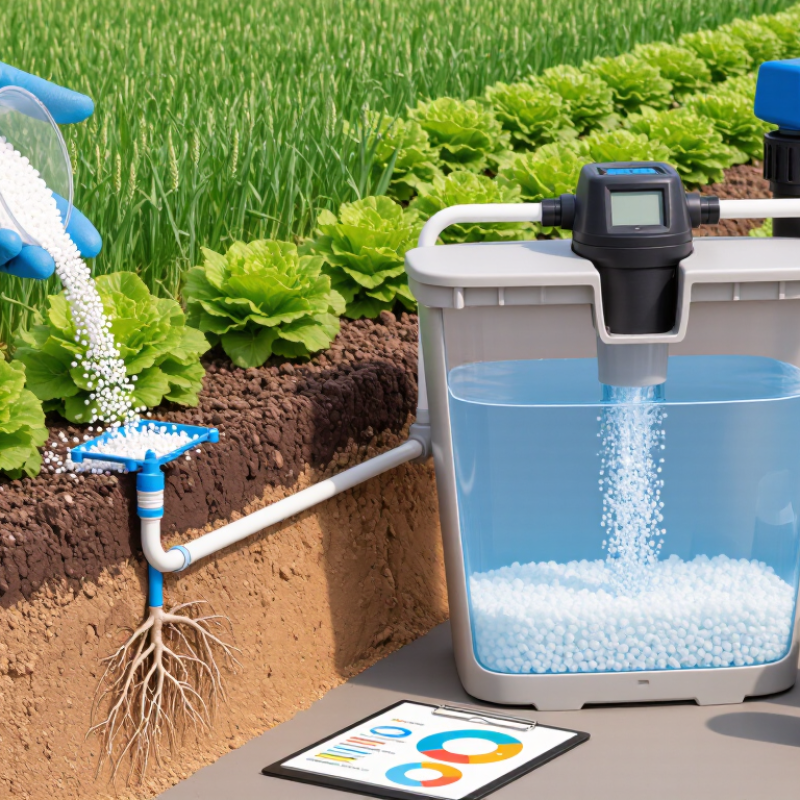
How to Choose Water Soluble Nitrogen Rich Fertilizer 2026?

Define Water-Soluble Nitrogen Fertilizer by N Form, Grade, and Solubility

How to Choose Water Soluble Nitrogen Rich Fertilizer 2026?

Water-soluble nitrogen fertilizer should be defined by three measurable features: nitrogen form, fertilizer grade, and solubility. Nitrate nitrogen acts quickly and supports immediate uptake through roots. Ammonium nitrogen supplies slower nutrition but can acidify the root zone. Urea is concentrated and economical, yet it needs careful application to reduce nitrogen loss. Each behaves differently.

Fertilizer grade Fertilizer grade shows the nutrient analysis by weight. In a 20-10-10 grade, the first number represents total nitrogen, while the others indicate phosphate and potash. Read the guaranteed analysis carefully. Total nitrogen alone does not reveal how much is nitrate, ammonium, or urea. Crop stage matters too; leafy crops may need rapid nitrate, while established plants can accept mixed forms.

Solubility Solubility means more than “dissolves in water.” Check the stated solubility at a specific temperature, because cold water can leave crystals behind. A clear solution is useful, but it does not guarantee suitable crop nutrition. Test a small batch first. Observe sediment, heat, foam, and nozzle blockage. Water quality also matters, especially hardness and pH. In field practice, growers sometimes choose the highest nitrogen grade and overlook salt stress. I have found that a moderate grade, applied accurately, is often safer than an aggressive rate. Labels, laboratory data, and local agronomic advice should guide the final choice.


Compare Urea (46% N), Ammonium Nitrate (34%), and Sulfate (21%)

How to Choose Water Soluble Nitrogen Rich Fertilizer 2026?

Choosing between urea, ammonium nitrate, and sulfate depends on crop demand, soil conditions, and application timing. Urea contains 46% nitrogen, offering the highest concentration per kilogram. It dissolves quickly, but surface applications can lose nitrogen through ammonia volatilization, especially in warm, dry, or alkaline soil. Light incorporation or timely irrigation can improve efficiency.

Ammonium nitrate Ammonium nitrate provides 34% nitrogen in both ammonium and nitrate forms. Plants can access part of it quickly, while the remaining nitrogen acts more gradually. It suits cool soils and crops needing rapid growth, but excessive rates may scorch roots or increase nitrate movement.

Ammonium sulfate Ammonium sulfate contains about 21% nitrogen and supplies sulfur, which supports protein formation. It can benefit sulfur-deficient fields, though repeated use may increase soil acidity. Less nitrogen per kilogram means more material is needed.

Tips: Test the soil before buying fertilizer. Match the rate to crop uptake, not bag strength alone. Keep records of weather, irrigation, and leaf color. Store products securely and follow local handling rules, especially for ammonium nitrate. Never mix products casually. A simple mistake can waste money.

My field experience suggests that the “strongest” fertilizer is not always the best choice. Urea looks efficient on paper, yet poor timing can erase that advantage. I would reassess after rainfall, because field behavior often differs from the label. Test strips are useful, even when results seem obvious.

Match Nitrate, Ammonium, or Urea to Crop, Soil pH, and Irrigation

Choosing a water-soluble nitrogen fertilizer starts with the crop, not the bag.

Nitrate supports quick uptake, making it useful for leafy vegetables and cool soils. However, it moves easily with irrigation water and may leach below the root zone.

Ammonium stays closer to soil particles and often suits rice or crops using steady nitrogen supply. It can lower soil pH over time.

Urea is concentrated and economical, but surface applications can lose nitrogen before watering.

I learned this after finding weak growth in a dry, warm field. The fertilizer was not necessarily wrong. Placement was.

Soil pH changes the decision.

Acidic soils need careful ammonium use, while alkaline soils increase the risk of ammonia loss from surface-applied urea.

Test soil and irrigation water before fertigation. Check nitrate levels, alkalinity, and electrical conductivity.

During irrigation, inject fertilizer after the main line fills, then flush with clean water.

Avoid heavy applications before storms or long irrigation cycles.

Small, repeated doses are usually safer than one large dose, although crop demand can change quickly.

Tips:

Match nitrate to fast-growing crops and mobile root zones.

Use ammonium where soil retention matters, but monitor pH.

Apply urea with timely irrigation or shallow incorporation.

Watch leaf color, root depth, and drainage after each application.

A simple schedule may fail in sandy soil.

Recheck and adjust.

Verify Solution Quality: Solubility, Compatibility, EC, and Chloride Risk

How to Choose Water Soluble Nitrogen Rich Fertilizer in 2026

A nitrogen-rich fertilizer should dissolve completely in clean irrigation water. Do not trust appearance alone. I once tested a clear-looking product that left fine sediment after overnight storage. That residue later blocked a narrow injector. Measure solubility at the temperature used on your farm, not only in warm laboratory water. Check the certificate of analysis, production date, nitrogen forms, and moisture content. Independent testing is useful when results seem unusually strong.

EC reveals the solution’s total salt load. Mix the fertilizer at the intended rate, then measure EC with a calibrated meter. Record the water’s starting EC first. A high reading may stress roots, especially in seedlings or dry media. Compatibility also needs a jar test. Combine the fertilizer with your regular calcium, phosphate, or micronutrient products in the same order and concentration. Watch for cloudiness, flakes, heat, or settling for several hours. Chloride deserves separate attention. Sensitive crops may show leaf-edge burn or reduced quality when chloride accumulates.

Tips: Use clean water and rinse equipment after testing. Compare two batches when possible. Keep photos and EC readings. Small mistakes become expensive. I would also repeat the test after storage, because my first check was too optimistic. Supplier documentation helps, but field evidence should confirm it.

Select Application Rates Using the 4R Framework and Split-N Practice

Choosing a water-soluble, nitrogen-rich fertilizer starts with the 4R framework: right source, rate, time, and place. Nitrogen forms behave differently. Nitrate moves quickly with irrigation, while urea needs conversion before roots can absorb it. A soil test, crop stage, irrigation method, and expected yield should guide the product choice. The FAO World Food and Agriculture Statistical Yearbook 2023 reported global inorganic fertilizer use near 190 million tonnes of nutrients in 2021. That scale makes efficiency important, not optional.

Use split-N practice instead of applying the entire rate at planting. Apply a modest starter dose, then deliver smaller applications during active leaf growth, flowering, or fruit filling. Fertigation can place dissolved nitrogen near the root zone, but excessive irrigation may wash nitrate below it. The 4R Nutrient Stewardship framework recommends matching application timing with crop demand and avoiding saturated soil. Keep records of application rate, drainage, leaf color, and yield. Adjust the next split.

Do not rely on color alone. The UNEP Global Nitrous Oxide Assessment links agricultural nitrogen management with roughly 60% of human-caused nitrous oxide emissions. A practical rate may combine soil nitrate, realistic yield goals, expected mineralization, and crop removal. Start conservatively. Recheck after heavy rain. Perfect scheduling is unlikely. My own caution is simple: a cheap fertilizer can become expensive after leaching, weak growth, or unnecessary emissions. Regional extension data should override generic online rates.