What Is Potassium Nitrate Powder Used For?
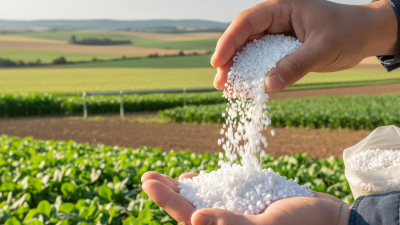
Potassium Nitrate Powder is a soluble source of potassium and nitrogen, two nutrients that support plant growth. In agriculture, it is commonly used in formulated fertilizers, especially when crops need both nutrients without added chloride. Its white crystals dissolve readily in water, making accurate mixing important. More is not always better.
Plant nutrition researcher Dr. Patrick Brown’s work highlights the value of matching nutrients to crop needs. A practical paraphrase of that perspective is: “Choose nutrients from evidence, not habit.” This is a paraphrase, not a verified direct quotation. Soil tests, crop type, and growth stage can help guide responsible use. Guesswork can waste product.
Potassium nitrate also has uses in controlled food-processing and industrial applications, where product specifications and professional handling matter. Its role depends on purity, formulation, and the process involved. This guide explains the main uses, how the powder behaves, and what to check before choosing a product. It also distinguishes established applications from claims that may need closer scrutiny. Details matter here. A label alone may not answer every practical question, so reliable technical documentation and qualified advice are useful. That is worth remembering.
Potassium Nitrate: KNO₃, Molar Mass 101.10 g/mol, and Core Properties
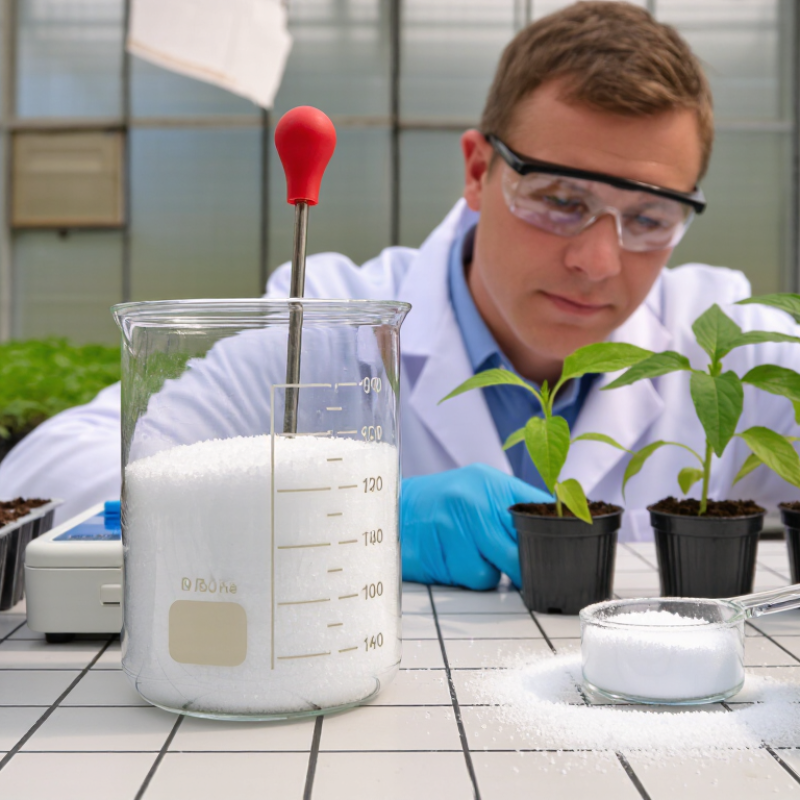
Potassium nitrate is an ionic compound with the formula KNO₃. Its molar mass is approximately 101.10 g/mol, based on one potassium atom, one nitrogen atom, and three oxygen atoms. This value helps chemists relate a measured mass to the number of moles in a sample. The calculation looks tidy; real powders can absorb moisture or contain impurities, so measured results may differ.
In its usual solid form, potassium nitrate is a white, odorless crystalline powder. It dissolves readily in water, and its solubility increases as the water warms. The crystals feel dry and granular, but appearance alone cannot confirm purity. It is not itself a fuel, yet it is an oxidizing substance and can intensify fires involving other materials. That distinction matters.
Potassium nitrate is used in some fertilizers as a source of potassium and nitrogen. It also has regulated uses in food processing and laboratory work, where specifications and handling rules depend on the application. For reliable identification, consult a current safety data sheet and verify the product’s stated grade. A label is useful, not infallible. Keeping the material dry and away from incompatible substances is a basic precaution, even during routine storage.
Potassium Nitrate (KNO₃): Molar Mass by Element
Potassium nitrate has a molar mass of approximately 101.10 g/mol. Oxygen contributes the largest share because each formula unit contains three oxygen atoms.
Fertilizer Grades: 13.7% Nitrogen and 46.2% K₂O by Weight
Potassium nitrate is used as a fertilizer when crops need both nitrogen and potassium. A grade labeled 13.7% nitrogen and 46.2% K₂O provides, by weight, 13.7 kilograms of nitrogen and 46.2 kilograms of potassium oxide equivalent per 100 kilograms of product. K₂O is a fertilizer-label convention; it does not mean the product contains that amount of pure potassium oxide. The actual potassium is present as potassium ions.
That distinction matters. Nitrogen supports leafy growth, while potassium contributes to water regulation and other plant functions. Potassium nitrate also supplies nitrate nitrogen, which plants can take up directly, and contains no phosphorus.
It may suit crops with a high potassium requirement, especially when a grower wants a soluble source for a suitable irrigation or feeding program. Not every field needs it. A soil test and crop guidance help determine whether the added nutrients are appropriate, and the product label should guide application rates.
Fertilizer figures can vary slightly by grade or labeling convention, so check the specific bag rather than relying on a familiar number. It is easy to overfocus on the headline percentages. Real soils are less tidy.
Solar-Thermal Storage: 60/40 NaNO₃–KNO₃ Salt Melts Near 221°C
In concentrated solar power systems, a 60/40 blend of sodium nitrate and potassium nitrate can store heat after it melts. The ratio means 60% sodium nitrate and 40% potassium nitrate by mass. Its melting point is near 221°C, which helps explain why this mixture is useful for thermal storage. The solid salt can be heated by solar energy, then circulated as a liquid through insulated tanks and heat exchangers. Later, its stored heat can produce steam for electricity generation, even when sunlight fades.
The neat figure is not the whole story. Salt must stay above its freezing point in pipes and pumps, so operators monitor temperatures and allow a safety margin. A cold section can solidify and interrupt flow. A practical headache. Equipment also needs materials suited to hot molten salts, and long-term operation requires checks for corrosion and changes in salt condition. Powder is a starting form, not the storage medium: once heated, the blend behaves as a dense liquid carrying substantial heat. The exact operating temperature depends on the plant design, and the melting point alone does not describe the full storage system.
Manufacturing Uses: Glass Processing, Metal Treatment, and Process Chemistry
Potassium nitrate powder is used in manufacturing when a soluble potassium source and controlled oxidizing chemistry are useful. In glass processing, it is commonly melted into a salt bath for chemical strengthening. Potassium ions diffuse into the glass surface and replace smaller sodium ions, creating a compressive layer that helps resist damage. The bath needs careful temperature control; contamination or uneven heating can produce inconsistent results. ASTM C1422/C1422M covers chemically strengthened flat glass, offering manufacturers a reference for evaluating finished material. It does not, by itself, prescribe a particular salt-bath recipe.
Metal treatment uses nitrate-containing molten-salt baths for certain heat-treatment operations. Formulations vary, and potassium nitrate may be blended with other salts rather than used alone. Temperature, alloy type, and bath condition all affect performance. Process chemistry is another practical application: potassium nitrate can supply potassium ions or act as an oxidizing reagent in selected industrial reactions. The awkward detail is that “used in manufacturing” does not mean every process uses the same grade or concentration.
For supply context, the USGS Mineral Commodity Summaries 2025 estimated 2024 world potash mine production at about 43 million metric tons of K2O equivalent. That figure describes potash production broadly, not potassium nitrate output or its share of industrial use. A useful distinction. Manufacturers still need product-specific purity and safety data before selecting a material.
Food Curing and Pyrotechnics: E252 Use, Oxidizer Role, and Safety Standards
Potassium nitrate, also called E252 on food labels, has distinct uses in curing and pyrotechnics. In some jurisdictions, food-grade potassium nitrate is permitted for specific cured meats within strict limits. It helps maintain color and contributes to preservation, but it cannot make unsafe meat safe. Product specifications and local food rules matter. The distinction is easy to overlook.
In pyrotechnic applications, potassium nitrate acts as an oxidizer, supporting combustion within a formulated product. That role brings serious fire and burn hazards. It is not a casual household chemical, and general information about its function is not a guide to mixing or use. Safety standards vary by location and application. Professional settings require approved materials, documented handling procedures, appropriate storage, and trained personnel.
Tips: For food, choose clearly labeled food-grade products and follow reliable curing guidance and permitted limits. Never substitute industrial material. For pyrotechnic items, use only finished, legally approved products as directed. Keep them away from heat, children, and incompatible materials. If a container is damaged or its contents are uncertain, leave it untouched and contact local safety authorities.