Buying fertilizer by price alone can be an expensive shortcut. Calcium Nitrate Fertilizer supplies calcium and nitrate nitrogen, but the right product depends on crop needs, application method, and local growing conditions. A bag that suits a greenhouse tomato crop may not fit every farm or irrigation system. Details matter.
Plant nutrition scientist Dr. Robert Mikkelsen’s nutrient-management work supports a useful principle, paraphrased here: match nutrient choices to crop needs and field conditions. That is a practical starting point, not a substitute for checking product documentation. Before purchasing, compare the guaranteed analysis, grade, solubility information, packaging, and supplier support. Ask for a current certificate of analysis when consistency is important. Check that bags are sealed and dry; damp, caked material can create handling problems. Also confirm compatibility with other products before mixing, and follow the label’s directions.
The seven tips in this guide help buyers look beyond a low quoted price. They cover supplier reliability, product quality, crop fit, and delivery details. A clear invoice matters. So does traceable batch information. Still, no checklist can replace a soil or water test where one is appropriate. I would not treat a familiar brand as proof of suitability, either. Compare evidence, ask direct questions, and keep records of the product and batch you receive. Small checks can prevent costly surprises.

Calcium nitrate fertilizer supplies plants with two nutrients: nitrate nitrogen and calcium. The nitrogen supports leafy growth, while calcium helps build firm cell walls. It dissolves readily in water, so growers often apply it through drip irrigation or other fertigation systems. It can also be used in some foliar programs, following the product label and crop guidance. Not a cure-all.
Its value depends on the crop and growing conditions. Tomatoes, for example, may develop blossom-end rot when calcium delivery to young fruit is disrupted, but adding fertilizer alone may not solve the problem. Uneven watering, damaged roots, or excess salts can also interfere with calcium uptake. Check soil or water test results before choosing a rate. A wet patch beside a dry planting row can matter more than the bag suggests.
For injection, dissolve the material fully and keep concentrated solutions separate from phosphate- or sulfate-containing fertilizers; they can form deposits that clog equipment. Rinse lines as directed, and avoid guessing at rates. I have seen growers focus on nutrient numbers while overlooking irrigation consistency. That is easy to do. A small test area and careful observation can reveal whether the application suits the crop before treating an entire field.
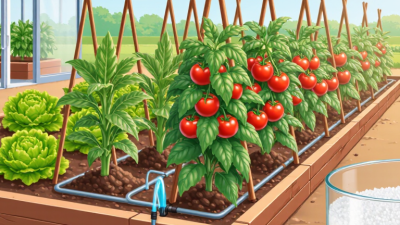
Match the grade to both crop demand and delivery method. A soluble grade suits drip irrigation or hydroponic tanks, where nutrients must dissolve evenly. Granular material may fit soil application better, but it can release nutrients differently. Commercial soluble calcium nitrate commonly lists about 15.5% nitrogen and 19% calcium; check the guaranteed analysis, since formulations vary. The University of Florida IFAS Extension’s 2024–2025 Vegetable Production Handbook provides crop-specific nutrient programs, rather than one universal rate. That distinction matters. A leafy crop and a fruiting tomato do not need identical feeding schedules.
For fertigation, confirm that the product dissolves completely and follows your system’s compatibility guidance. Calcium can form precipitates when concentrated with sulfate or phosphate fertilizers, so separate stock tanks may be needed. Small details count. For soil application, consider the crop’s calcium demand, soil test, and irrigation pattern; dry roots cannot take up nutrients reliably. UMass Extension’s greenhouse-crop guidance also emphasizes adjusting nutrient solutions to crop and production conditions. Use its recommendations as a starting point, not a substitute for local testing. I would not choose a grade from the label alone; I have seen a “suitable” grade create avoidable mixing trouble when the application setup was overlooked. Check the label, water quality, and delivery equipment before buying.
7 Tips for Buying Calcium Nitrate Fertilizer
Read the guaranteed analysis, not just the product name. Check the percentages of total nitrogen and calcium, and note whether calcium is listed as elemental calcium or calcium oxide. Those figures are not interchangeable. Compare products on the same basis before deciding which suits your crop and soil test. A clear label matters.
Product form affects how easily the fertilizer fits your routine. Crystals or prills may dissolve quickly, while granules can be easier to handle for some applications. Check solubility if you use fertigation, and confirm that the product is suitable for your equipment. A small jar test can reveal residue or slow dissolving. Not every product behaves the same.
Look for a batch-specific certificate of analysis, production date, and intact, moisture-resistant packaging. Calcium nitrate can cake when exposed to damp air, making accurate measuring harder. Check the stated quality standard and verify that it applies in your region. If details are missing, ask the supplier for written specifications rather than relying on a verbal assurance. I would not treat one impressive nutrient figure as proof of overall quality; documentation and consistency matter too.
A low price per tonne can hide costly differences. Ask each supplier for the fertilizer grade, nutrient analysis, batch documentation, minimum order, and delivery estimate. Compare the same specifications, not just similar product names. A clear quotation should state whether freight, pallet charges, and other fees are included. Details matter.
Packaging affects both handling and product condition. Small, lined sacks may suit a compact storeroom, while bulk bags can reduce packing costs for larger orders. Check the net weight, pallet layout, and whether bags arrive sealed and protected from rain. Calcium nitrate can absorb moisture, so damaged packaging or damp storage may lead to hard lumps. Ask how the goods are packed and shipped; vague answers deserve a second look.
Calculate the delivered cost per usable kilogram, then compare it with the expected application rate and order size. A supplier with a slightly higher quote may offer a shorter lead time or more consistent documentation. Confirm delivery dates and unloading requirements before placing the order. I once focused too much on the unit price and overlooked a small handling fee. It was not a dramatic mistake, but it changed the comparison.
Calcium nitrate deserves careful handling, even when you are buying it for routine garden or farm use. Check the product label and safety data sheet before opening the bag. Wear gloves and eye protection, and avoid breathing dust. Keep it away from food, animal feed, and children. A little dust travels.
Store the fertilizer in its original, clearly labeled container, tightly closed in a cool, dry, well-ventilated place. Keep it separate from fuels, oils, paper, and other combustible materials because calcium nitrate can intensify a fire. Prevent moisture from entering; damp granules may clump and become harder to measure. Use a clean, dry scoop, and do not return spilled material to the bag. Small habits matter.
Before purchase, ask whether local rules require specific storage, transport, or quantity limits. Requirements can differ by location and intended use, so confirm details with your local agricultural authority or qualified supplier rather than relying on a neighbor’s experience. Keep purchase and safety documents accessible. If fertilizer spills, follow the label’s cleanup instructions and avoid washing it into drains or waterways. I might still overlook a detail on a rushed day, so a quick label check is worth making routine.
| Tip | What to Check Before Buying | Practical Buying Guidance | Safety, Storage, or Compliance Consideration |
|---|---|---|---|
| 1. Match the nutrient analysis to your needs | Read the guaranteed analysis on the product label. Calcium nitrate supplies nitrate nitrogen and calcium, but the stated nutrient percentages can vary by formulation. | Compare the label with a soil or crop nutrient recommendation. Check whether the analysis is stated on an elemental basis or as an oxide equivalent where relevant. | Do not assume every product has the same nutrient content. Follow the label’s application directions and avoid applying more than the crop or soil recommendation calls for. |
| 2. Choose a suitable grade and form | Check whether the product is intended for field application, fertigation, or another use, and whether its granule or prill size suits your equipment. | For fertigation, confirm that the label permits that use and review any instructions about dissolving, filtration, and compatibility with other inputs. | Mixing concentrated fertilizers can cause precipitation or other incompatibilities. Follow label directions and confirm compatibility before combining products. |
| 3. Review the label and safety data sheet | Obtain the current product label and Safety Data Sheet (SDS). Check hazard information, first aid, personal protective equipment, and handling instructions. | Make sure the documents correspond to the exact formulation and are available to everyone who handles or stores the fertilizer. | Calcium nitrate products may have oxidizing-hazard classifications. Use the SDS and product label rather than relying on a generic description of the material. |
| 4. Check packaging and product condition | Inspect the package for damage, clear labeling, a legible batch or lot identifier, and any signs of wetting, contamination, or unusual caking. | Choose intact packaging that is practical to handle and can be securely closed after opening. Ask how damaged or returned stock is managed. | Keep the product in its original, labeled container where possible. Do not use material with uncertain identity or possible contamination; seek advice from the supplier or relevant authority. |
| 5. Plan for safe transport and handling | Consider package weight, loading arrangements, and the handling instructions on the label and SDS. | Arrange transport that keeps bags or containers protected from damage and contamination. Use suitable lifting practices and the specified protective equipment. | Keep calcium nitrate away from incompatible materials, especially combustible or readily oxidizable materials, as directed by the SDS. Prevent spills from entering drains or waterways. |
| 6. Confirm storage conditions before ordering | Check whether you have a dry, secure, well-ventilated storage area and enough capacity to keep the product protected from moisture. | Order an amount you can store and use appropriately. Keep packages closed and follow the product-specific storage instructions. | Store separately from incompatible materials and sources of contamination. Follow the SDS and local fire-safety guidance; do not rely on a universal storage-distance rule. |
| 7. Verify local rules and disposal requirements | Check applicable fertilizer registration or labeling rules, transport and storage requirements, and any local restrictions on nutrient use or water protection. | Consult the relevant agricultural, environmental, fire-safety, or transport authority for your location before purchase, storage, or application. | Requirements differ by jurisdiction and use. Follow local directions for spills, unused product, and empty packaging; do not dispose of fertilizer into drains or waterways. |
Note: Product composition, hazard classification, and legal requirements can vary. Always follow the exact product label, current SDS, and applicable local regulations.