Why Choose Potassium Nitrate Granules for Agriculture?
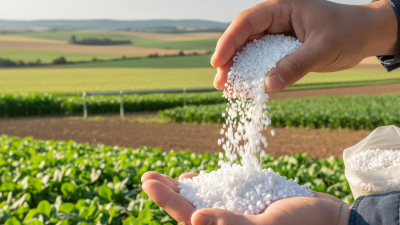
Potassium Nitrate Granule fertilizer supplies two essential nutrients: nitrate nitrogen and potassium. In suitable conditions, its soluble nutrients can become available to crops through soil or fertigation programs. This can be useful when plants need balanced support for leafy growth, flowering, or fruit development. Results depend on crop, soil, weather, and application method. There is no universal rate.
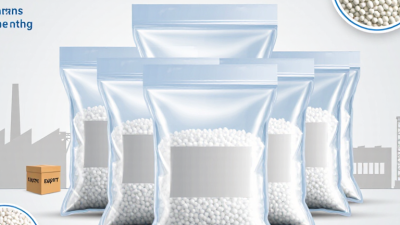
Granules are practical to store, measure, and distribute with compatible equipment. Their size and flow can help with even application, but product specifications vary. Check the label before use. A soil or tissue test can help reveal whether nitrogen or potassium is actually needed, rather than relying on appearance alone. Too much fertilizer can waste nutrients and may harm crop performance or nearby water quality.
Good management matters. Match the application rate to crop demand, local recommendations, and the product instructions. For fertigation, confirm that the granules dissolve fully and that the product is compatible with the irrigation system. Keep fertilizer dry during storage, and avoid applying it where runoff is likely. These steps sound simple. They are easy to overlook during a busy season.
Choosing a Potassium Nitrate Granule product may suit growers seeking a concentrated source of both nutrients, but it is not automatically the best choice for every field. Compare nutrient analysis, granule quality, cost per unit of nutrient, and handling needs. Even careful plans need review. Crop response can differ from expectations, so monitor growth and adjust future applications using reliable field data.
What Potassium Nitrate Granules Are
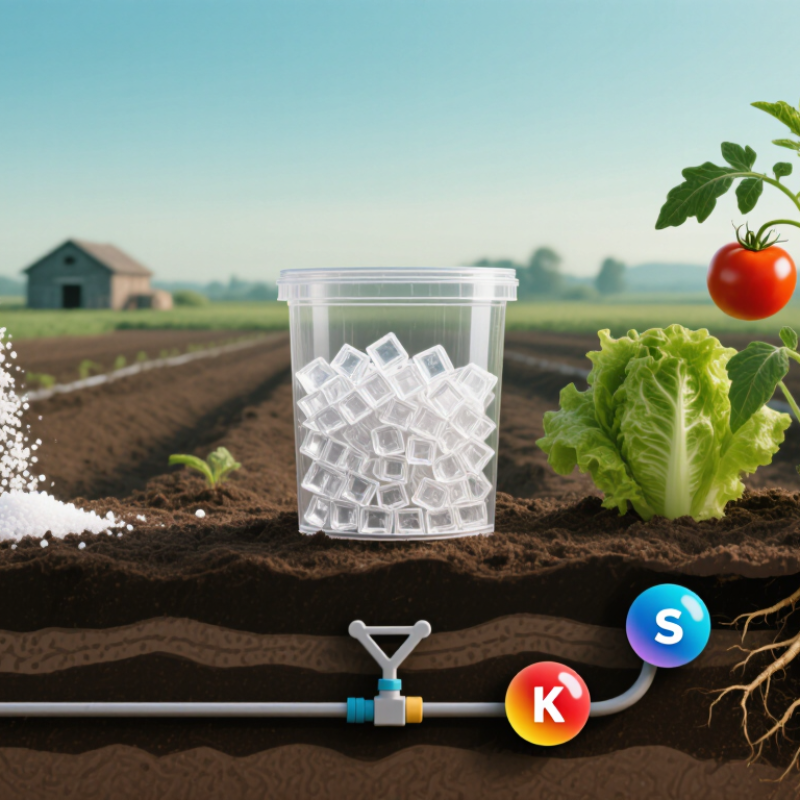
Potassium nitrate granules are a solid fertilizer made of potassium nitrate, with the chemical formula KNO₃. A typical agricultural grade is labeled 13-0-46: about 13% nitrogen and 46% potassium oxide equivalent by weight. The figures describe nutrient content, not the percentage of pure potassium. The granules are dry and free-flowing, making them easier to handle and spread than many liquid products. In water, potassium nitrate dissolves and separates into nitrate and potassium ions.
Both nutrients are immediately available to plants. Nitrate supports leafy growth and protein formation; potassium helps regulate water movement and supports crop quality. The International Fertilizer Association’s 2024 medium-term outlook projects global fertilizer nutrient use will exceed 200 million tonnes annually by 2028. That broad demand figure does not predict how any one field will respond, though. Soil tests and crop needs still matter.
In practice, growers may dissolve the granules for fertigation or apply them to soil, following local agronomic guidance. They leave no chloride behind, which can be useful for chloride-sensitive crops. But “chloride-free” does not mean universally suitable. Granules can absorb moisture if stored poorly, and excess application can waste nutrients or raise salinity around roots. That detail is easy to overlook.
How They Supply Nitrogen and Potassium to Crops
Potassium nitrate granules deliver nitrate nitrogen and potassium in one soluble material. A common grade is 13-0-46: about 13% nitrogen and 46% K2O equivalent, though growers should check the product label. Nitrate is readily available for root uptake, while potassium supports water regulation, enzyme activity, and movement of sugars within the plant. The two nutrients serve different jobs. They are not interchangeable.
Iowa State University Extension’s crop nutrient-removal table estimates that harvested corn grain removes about 0.27 pounds of K2O per bushel. That figure helps explain why potassium replacement matters, but it is not a field-rate recommendation; soil tests and yield goals still matter. Granules can be applied to soil or dissolved for fertigation when the product label and equipment allow.
In a dry band beside young roots, however, concentrated fertilizer may cause injury. More is not automatically better. Potassium nitrate also does not supply phosphorus or a full range of secondary nutrients, so it may leave gaps in a crop’s nutrient plan.
Sources: Iowa State University Extension, crop nutrient-removal guidance; standard fertilizer-grade analysis conventions.
How Their Nutrients Support Plant Growth
Potassium nitrate granules supply two essential nutrients: nitrogen and potassium. The nitrate form of nitrogen is readily available for plant uptake, supporting leaf growth and the production of chlorophyll. Healthy leaves capture sunlight and help plants build the sugars they need. The response depends on the crop, soil, and weather. It is not automatic.
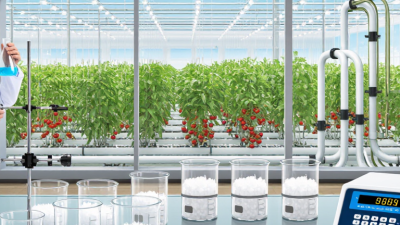
Potassium helps regulate water movement through plant tissues and supports enzyme activity. In a tomato field, for example, adequate potassium can help plants manage dry spells and develop firm, well-filled fruit. It also plays a role in moving sugars from leaves to growing parts of the plant. Small granules are easy to spread evenly, then dissolve when moisture reaches them. Timing matters.
These nutrients work together, but extra fertilizer does not mean extra growth. Too much nitrogen may encourage lush leaves while delaying fruit development, and unused nutrients can be lost from the root zone. A soil test and crop-specific guidance make application more precise. I would not treat one rate as right for every field; that is an easy mistake to make. Observe plant growth, check soil conditions, and adjust with care.
Where and When to Apply Potassium Nitrate Granules
Apply potassium nitrate granules where crops need both readily available nitrogen and potassium: vegetable beds, orchards, and field crops with confirmed nutrient demand. Use soil or tissue tests to guide the rate; sandy soils and heavy irrigation can lose nutrients quickly. The FAO guide Plant Nutrition for Food Security lists potassium nitrate at about 13% nitrogen and 44% potassium oxide. That balance can help during active growth, flowering, and fruit fill, but it is not a universal recipe. Crop needs differ.
Tips: Apply near the active root zone, then irrigate lightly to dissolve the granules. Keep them off wet leaves, and avoid placing concentrated fertilizer against stems or young roots. Small errors happen; check the label and local recommendations.
For timing, split applications often suit crops with long seasons or frequent irrigation. Apply a modest portion before rapid growth, then reassess during flowering or fruit development using crop condition and test results. Potassium supports water regulation and fruit quality, while nitrogen drives leafy growth; excess nitrogen can delay maturity. The FAO figures describe nutrient content, not a field rate. Weather, soil texture, and crop stage still matter.
Why Choose Potassium Nitrate Granules for Agriculture?
Typical fertilizer grade: 13-0-46. Potassium nitrate supplies nitrogen (N) and potassium, expressed as potash (K₂O), without phosphate (P₂O₅). The exact analysis can vary, so check the product label.
Apply where soil or crop testing indicates a need for nitrogen and potassium. It can be used through suitable fertigation systems or as a soil application. Timing depends on the crop; split applications during active growth and periods of high potassium demand, such as fruit development, may be appropriate. Follow local recommendations and avoid applying more than the crop requires.
How to Use Them Safely and Effectively
Why Choose Potassium Nitrate Granules for Agriculture?
Potassium nitrate provides plants with both potassium and nitrate nitrogen, nutrients that support growth and fruit development. Granules are practical for measured field or greenhouse applications. But more is not better. Excess fertilizer can raise soil salinity, waste nutrients, or damage roots.
Check a recent soil test and follow the product label before applying. Wear gloves and eye protection, avoid breathing dust, and wash your hands afterward.
Keep granules dry in their original, closed container, away from heat, fuels, and other combustible materials. Store them where children and animals cannot reach them.
Use a calibrated spreader for even coverage, and avoid piling granules beside stems. Water according to the crop’s needs and local conditions; heavy irrigation may move nitrate below the root zone.
If using fertigation, confirm that the product is suitable for the system and fully dissolves as directed. Small details matter.
It is easy to misjudge a field by eye, so record the rate, date, and weather. Review those notes before repeating an application.