How to Choose Water Soluble Fruit Tree Fertilizer for Best Results?
Choosing the right Water Soluble Fruit Tree Fertilizer is crucial for the health of your trees. In today’s gardening world, many options should not overwhelm you. Understanding your trees' specific needs is essential. Water soluble fertilizers can provide nutrients directly to the roots. This can lead to quicker results and better fruit production.
When selecting a fertilizer, consider its nutrient ratio. Look for a balance that supports both growth and fruiting. Pay attention to the fertilizer's solubility in water. Some products dissolve better than others, impacting nutrient availability. Not every fertilizer works on every tree. Trial and error may be necessary to find the most effective option.
Monitor your trees closely after applying fertilizer. This will help you understand if adjustments are needed. Remember, gardening is a learning experience. Mistakes may happen, but they offer valuable insights for future applications. The right Water Soluble Fruit Tree Fertilizer can make a significant difference when chosen wisely.
Understanding Water Soluble Fertilizers for Fruit Trees
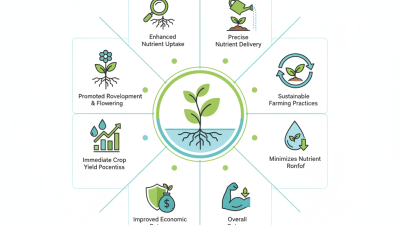
Water-soluble fertilizers are vital for fruit tree growth. They dissolve in water, making nutrients readily available. Research indicates that such fertilizers can enhance fruit yield by 20% in certain species. This is because trees absorb nutrients more quickly when they are in liquid form.
When choosing a water-soluble fertilizer, pay attention to the N-P-K ratio. Nitrogen promotes leafy growth, while phosphorus contributes to blooming and root health. Potassium enhances resistance to diseases. A balanced blend often works best for most fruit trees. For example, a 10-10-10 ratio is commonly effective for new plantings. However, be cautious; not all trees benefit from the same nutrient levels.
Monitoring soil health is crucial. Soil tests can uncover nutrient deficiencies or excesses. Too much nitrogen can lead to excessive foliage, sometimes at the expense of fruit quality. Additionally, over-fertilization can harm the environment. It's essential to reflect on your fertilization practices regularly to ensure sustainable growth and healthy fruit production.
How to Choose Water Soluble Fruit Tree Fertilizer for Best Results?
| Fertilizer Type |
N-P-K Ratio |
Best Used For |
Application Rate (per 100 liters of water) |
| General Purpose |
10-10-10 |
Fruit Trees, Vegetables |
1-2 kg |
| Bloom Booster |
5-30-5 |
Flowering Fruit Trees |
0.5-1 kg |
| High Potassium |
2-3-6 |
Fruit Quality Improvement |
1-1.5 kg |
| Nutrient-Rich |
15-5-15 |
General Growth |
1-2 kg |
| Organic Option |
5-2-5 |
Sustainable Growing |
2-3 kg |
Key Nutrients Required for Fruit Trees Growth
Choosing the right water-soluble fertilizer for fruit trees is crucial for optimal growth. Understanding the key nutrients required for fruit trees is an important step. Fruit trees generally thrive on a balanced intake of nitrogen, phosphorus, and potassium. A study from the American Society for Horticultural Science emphasizes that these nutrients are paramount for flowering, fruiting, and overall health.
Nitrogen encourages leafy growth, making it essential for young trees. However, too much nitrogen can lead to lush foliage at the expense of fruit production. Phosphorus contributes to root development and flower production but requiring careful balance. Potassium supports overall plant health, helping trees resist disease and stress. According to research published in HortTechnology, the ideal N-P-K ratio can range from 3-1-2, depending on the specific type of fruit tree.
Micronutrients such as iron and magnesium also play vital roles. Deficiencies can lead to yellowing leaves or poor fruit quality. Soil tests can reveal nutrient levels and deficiencies. Such assessments can guide a tailored fertilization strategy. Paying attention to the specific need of each tree species while avoiding over-fertilization can result in healthier trees and better yields.
Factors to Consider When Choosing a Water Soluble Fertilizer
When selecting a water-soluble fruit tree fertilizer, several factors play a crucial role. The nutrient composition is essential. Consider the N-P-K ratio, which indicates nitrogen, phosphorus, and potassium levels. These nutrients support growth at different stages. Look for a balance suitable for your specific fruit trees.
Water solubility is another vital aspect. Ensure the fertilizer dissolves easily in water for effective absorption. Granules that don’t dissolve well may result in uneven feeding. Also, consider the product formulation. Some fertilizers include micronutrients, which are beneficial for fruit development but often overlooked.
pH levels can impact nutrient availability. Test your soil to find its pH before applying fertilizer. In highly acidic or alkaline soils, certain nutrients become unavailable. Additionally, think about timing. Applying fertilizer during the wrong season can waste resources. Be mindful of the growth cycle of your trees to optimize nutrient uptake. Balancing all these factors can be challenging, and mistakes may lead to poor results, so take time to research and adjust your approach as needed.
Application Methods for Maximum Effectiveness
Applying water-soluble fruit tree fertilizer effectively requires understanding your plants' needs. Ensure you test your soil before application. This will help determine the nutrient levels already present. Different trees have varying nutrient requirements. A well-informed choice can lead to a thriving orchard.
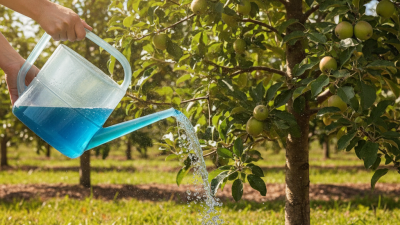
Mix the fertilizer with water according to the package instructions. Apply during the active growing season. For fruit trees, late winter or early spring is ideal. This timing promotes healthy growth and fruit development. Avoid over-fertilizing; too much can harm the roots and reduce fruit quality.
Monitoring your trees is crucial. Look for signs of nutrient deficiency, like yellowing leaves or stunted growth. Adjust your fertilizer strategy as needed. Applying the right amount at the right time can make a significant difference. Regular observation is key to achieving your desired results.
Timing and Frequency of Fertilizer Application for Best Results
Timing and frequency are crucial when applying water-soluble fruit tree fertilizer. Generally, the best time to fertilize is in early spring. This is when fruit trees emerge from dormancy and require nutrients to support new growth. Applying fertilizer during this period helps boost the tree's vigor and prepares it for a fruitful season.
In addition to early spring, a second application is often beneficial after the fruit has set. This ensures that the trees get the necessary nutrients during critical development phases. Fertilizing every 4 to 6 weeks can foster healthy fruit production, but overdoing it may harm the tree. Observing the tree's response can help fine-tune this schedule.
Consider the specific needs of your fruit trees. Different trees may require varied nutrient ratios. Soil testing can reveal nutrient deficiencies that inform your fertilization strategy. Adjusting your approach based on the results will enhance efficacy. Be willing to experiment and reflect on the outcomes to improve future fertilization practices.