What is Water Soluble Fruit Tree Fertilizer for Optimal Growth?
Water Soluble Fruit Tree Fertilizer plays a crucial role in promoting optimal growth for fruit trees. These specialized fertilizers dissolve in water, making nutrients readily available for absorption. The convenience of their application allows for a more efficient feeding regimen. This is particularly important for fruit trees, which require consistent nutrient intake for healthy development.
Using Water Soluble Fruit Tree Fertilizer can lead to improved yields. It helps enhance fruit size, flavor, and overall quality. Additionally, these fertilizers can address specific nutrient deficiencies quickly. However, one must consider factors like soil type and tree species for optimal results. Over-fertilization can harm trees and affect fruit production.
It’s essential to follow recommended application rates. Relying solely on fertilizers, without considering soil health, can lead to imbalances. A diversified approach that includes organic matter can foster better long-term growth. Understanding these complexities is vital for anyone aiming to achieve thriving fruit trees.
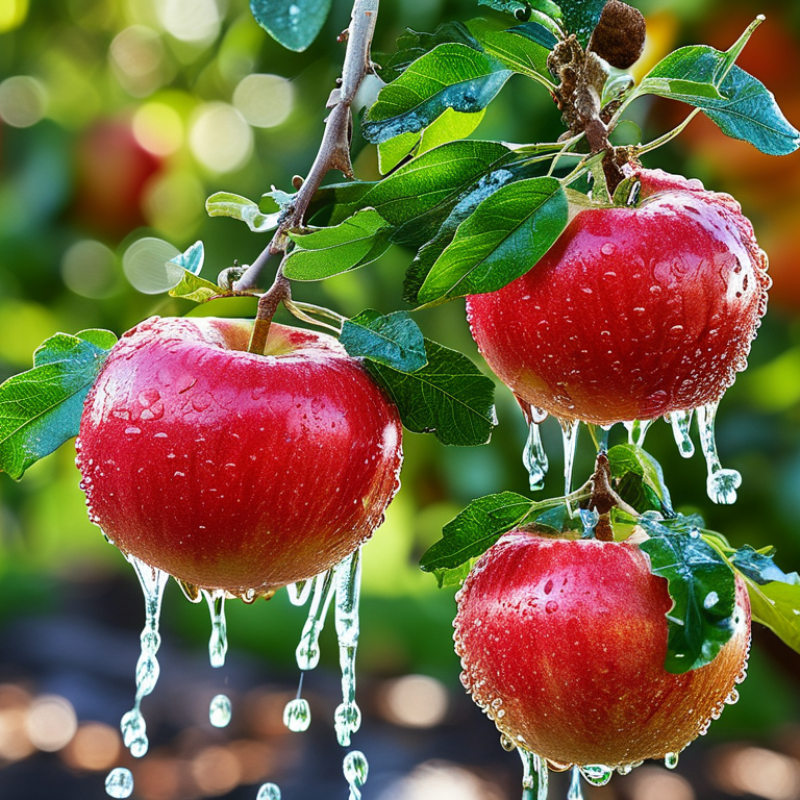
What is Water Soluble Fruit Tree Fertilizer?
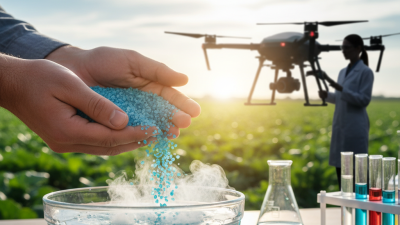
Water soluble fruit tree fertilizer provides essential nutrients directly to plants. This type of fertilizer dissolves easily in water. It allows for quick absorption through the roots and leaves. Many gardeners prefer this method for its efficiency. Plants can benefit from balanced nutrients, promoting healthier growth.
Using water soluble fertilizers can be an art and a science. It's crucial to measure the right amount to avoid over-fertilization. Too much can harm the plant. Some may notice that leaves become yellow or burnt, indicating nutrient overload. Observing the plants’ responses can guide future applications.
Different stages of growth require various nutrients. Young trees, for instance, thrive on higher nitrogen levels. In contrast, fruiting trees need more phosphorus and potassium. Gardeners often have to experiment. Finding the right mix can take time. Learning from mistakes can lead to better outcomes over time.
Benefits of Using Water Soluble Fertilizers for Fruit Trees
Water-soluble fertilizers are pivotal for fruit tree cultivation. They dissolve quickly, enhancing nutrient absorption. This is crucial during critical growth phases. Studies show that trees receiving these fertilizers grow up to 30% faster than those with traditional ones.
When using water-soluble options, trees access nutrients immediately. For example, nitrogen boosts leaf growth, while potassium aids fruit development. Reports highlight that a balanced mix can lead to a 20% increase in fruit yield. Moreover, proper application methods help reduce nutrient runoff. Farmers often overlook this, leading to waste and environmental concerns.
However, misuse can cause nutrient imbalances. Over-fertilization might harm root health, stunting growth. It’s essential to monitor application rates and soil conditions. Ensuring that plants receive the right nutrients at the right times can be challenging. Balancing these factors requires ongoing observation.
How to Apply Water Soluble Fertilizer Effectively
Applying water-soluble fertilizer can greatly enhance the growth of fruit trees. It's important to mix the fertilizer with water according to package instructions. A common ratio is one tablespoon per gallon of water. This solution should be applied during the tree's active growing seasons, typically spring and early summer.
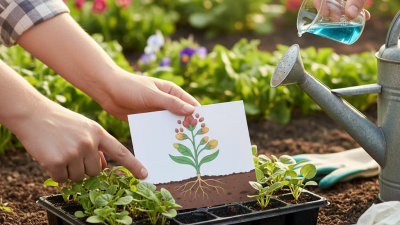
To achieve optimal results, you should water the trees lightly a day before application. This ensures that the roots can absorb the nutrients better. Using a watering can or garden sprayer can help distribute the solution evenly around the tree’s base. Avoid over-fertilization, as this can lead to root burn or damage. Always observe your trees after application; signs of stress or yellowing leaves may indicate the need for less fertilizer.
Timing is crucial. Late afternoon is often the best time for application, as it reduces evaporation. Keep an eye on weather conditions; avoid days with heavy rainfall, as it may wash away your efforts. Remember, every tree is different. Adjust your approach based on the tree's response. Your observations over time will enhance your understanding of their needs.
Choosing the Right Water Soluble Fertilizer for Different Fruit Trees
Water-soluble fertilizers play a crucial role in enhancing the growth of fruit trees. They allow for quick absorption of essential nutrients directly through the roots and leaves. When selecting a water-soluble fertilizer, it's important to consider the specific nutritional needs of different fruit trees. Research indicates that nitrogen (N), phosphorus (P), and potassium (K) ratios can vary based on tree species. For example, apple trees thrive with a balanced N-P-K ratio, typically around 10-10-10. Conversely, citrus trees often benefit from a higher potassium content, ideally around 3-1-5.
Understanding soil composition is key. Conducting a soil test can provide insights into nutrient deficiencies. This helps in tailoring the fertilizer choice. According to a report from the American Society of Horticultural Science, proper fertilization can lead to a 20-30% increase in fruit yield. This indicates that strategic planning is essential for optimal results.
When applying water-soluble fertilizers, timing is important. Nutrient absorption peaks during the active growing season. Dilution ratios should follow manufacturer instructions to avoid burning young roots. Mistakes in this area could lead to suboptimal growth and fruiting. Adjusting application rates based on seasonal weather conditions can enhance effectiveness. Balancing nutrient intake promotes healthier trees and better fruit quality. Regular monitoring and adjustments can yield substantial improvements in fruit tree health.
Timing and Frequency of Application for Optimal Growth
Timing and frequency of application are crucial for achieving optimal growth in fruit trees using water-soluble fertilizers. These fertilizers dissolve quickly, allowing nutrients to be readily available. Ideally, you should apply them during active growth phases. Spring and early summer are vital periods when trees require high nutrient levels. Regular applications can significantly enhance fruit set, growth, and overall health.
The frequency of application can vary based on tree species and environmental conditions. A general guideline suggests applying water-soluble fertilizers every 4-6 weeks during the growing season. However, over-fertilizing can lead to issues like nutrient burn or excessive vegetative growth at the expense of fruit development. Always observe your trees for signs of nutrient deficiency or excess, adjusting your regimen as needed.
Pay attention to weather conditions too. Rain can wash away applied fertilizers, reducing effectiveness. In contrast, dry spells may require more frequent applications to ensure nutrients reach the roots. Monitoring soil moisture levels is essential. This approach fosters healthier trees, vibrant fruits, and a more productive orchard, but adaptability is key.