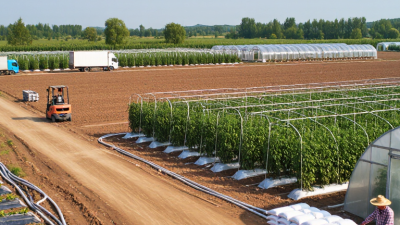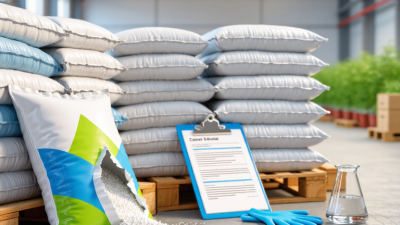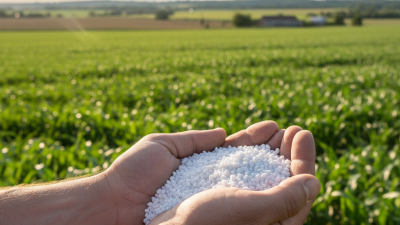
Calcium Nitrate Fertilizer is valued for supplying readily available calcium and nitrate nitrogen in one soluble product. In practice, its performance depends on more than the label. Crop type, irrigation water, soil conditions, and application timing all matter. A grower checking a fertigation tank should also check product solubility, impurity limits, packaging, and local technical support. Small details can change the outcome.
The International Fertilizer Association’s 2024 Medium-Term Fertilizer Outlook tracks global fertilizer demand, while FAOSTAT reports country-level fertilizer use. Neither dataset provides a verified worldwide ranking of calcium nitrate suppliers. That gap matters. Supplier lists should therefore be treated as research starting points, not definitive market-share tables. Agronomic guidance offers another useful standard: Terry Roberts, former president of the International Plant Nutrition Institute, is associated with the 4R principle: “right source, right rate, right time, and right place.” It is a practical reminder, not a product guarantee. The suppliers featured in this guide should be compared on documented specifications, production consistency, delivery reach, and transparent customer support. Buyers should verify current certificates and product data sheets directly. Price alone is a weak signal. Real procurement is less tidy than a ranking suggests.

Calcium nitrate is a water-soluble fertilizer that supplies plants with nitrate nitrogen and calcium. Its formula is Ca(NO₃)₂. In a clean stock solution, it dissolves readily, making it useful for drip irrigation and hydroponic systems. Growers also apply it to greenhouse vegetables, orchards, and some field crops when soil or tissue tests indicate a need.
Two nutrients, one product.
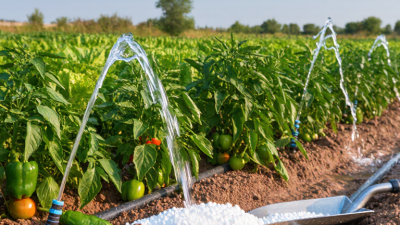
Nitrogen supports leafy growth and plant metabolism, while calcium helps build cell walls and maintain healthy new tissues. Tomatoes, peppers, and leafy greens may receive calcium nitrate through irrigation, especially during periods of rapid growth. However, adding calcium does not automatically prevent blossom-end rot in tomatoes. Uneven watering can limit calcium movement into developing fruit, even when the soil contains enough calcium. This detail is easy to overlook.
Application should follow a crop-specific plan and label directions. Excess nitrogen can encourage soft, leafy growth, while overly concentrated solutions may injure roots or leaves. Calcium nitrate should not be mixed in concentrated form with phosphate- or sulfate-based fertilizers, because insoluble deposits can form and clog equipment. Check water quality, use clean injection tanks, and watch crop response. Field conditions vary; a schedule that works in one greenhouse may not suit another.
Assess calcium nitrate suppliers by checking the product, not just the price. Request a recent certificate of analysis for each grade, showing calcium and nitrate content, moisture, and water-insoluble matter. Compare values against your crop program and local water conditions. Ask for batch traceability and a sample you can dissolve in a clear container; visible residue deserves a follow-up. Small details matter. The International Fertilizer Association’s 2024 assessment forecast global fertilizer consumption at 192.5 million tonnes of nutrients in 2023/24, up 4% year over year. That broad demand figure is not calcium-nitrate-specific, but it signals why capacity claims should be checked against actual production and delivery records.
Review quality systems, safety data sheets, packaging, and shipping capability before committing. Ask how the supplier controls moisture during storage, since damp granules can cake and complicate dosing. Compare lead times and delivery terms, then verify them with a trial order. Request references from buyers with similar crop and climate conditions; a polished brochure is weak evidence. I would also ask how complaints and out-of-spec batches are handled. It can feel awkward, but vague answers are useful information. No single certificate proves dependable performance, and one successful shipment does not prove consistency. Cross-check documents, sample results, and the supplier’s practical answers.
Worldwide calcium nitrate sourcing includes several supplier profiles. A European producer may offer tightly controlled granule sizes and detailed batch documents. An East Asian manufacturer may support large-volume orders and multiple packaging formats. Southeast Asian distributors often serve nearby farms with smaller shipments. North American bulk suppliers may coordinate truck or rail delivery. South American importers can connect regional buyers with overseas production.
A Middle Eastern producer may focus on export logistics and water-soluble grades. Indian manufacturers may supply both domestic growers and export markets. African regional distributors can help buyers manage local storage and delivery needs. Australian agricultural wholesalers may serve distant farming areas with seasonal stock planning. Global specialty fertilizer exporters often provide technical documents alongside product quotations. These are supplier profiles, not a verified ranking; actual capacity and product specifications vary.
Tips: Request a recent certificate of analysis, confirm nitrogen and calcium values, and check whether the material is granular or crystalline. Ask about moisture protection, delivery timing, and minimum order size. Compare documents carefully. A low quote alone is not enough.
Comparing calcium nitrate suppliers means looking beyond advertised capacity. Product form matters: crystalline material may suit dissolution systems, while granules can be easier to handle and spread. Check the declared nitrogen and calcium content, moisture limits, particle-size range, and packaging options. Technical sheets should state test methods and storage guidance. Ask for recent batch certificates, not only a general product specification. Small differences can affect tank mixing, dust, and application consistency.
Production capacity is useful only when supply is dependable. Compare stated output with seasonal availability, quality controls, and the supplier’s ability to maintain consistent batches. A large plant does not guarantee a short delivery time. Ask how products move from the production site to your region, including port access, local warehousing, and lead times. Reach matters. Suppliers with several export routes may offer more flexibility, though freight costs and delays can still change the picture. A spreadsheet misses things. Samples, clear documentation, and responsive technical support provide practical evidence, but even these checks cannot remove every supply risk.
Calcium nitrate sourcing is not just a price comparison. Buyers should confirm fertilizer grade, nitrogen and calcium content, moisture limits, and water-insoluble matter against a written specification. Ask for a recent certificate of analysis and traceability to the production lot. Small details matter. FAO’s World Fertilizer Trends and Outlook to 2022 estimated global fertilizer demand at 201.7 million tonnes of nutrients in 2022. This figure covers nitrogen, phosphate, and potash—not calcium nitrate alone. It indicates market scale, not product availability.
Compare production capacity, export experience, lead times, and packaging options, rather than relying on a polished quotation. Calcium nitrate can absorb moisture, so check bag liners, pallet wrapping, and warehouse conditions. Request sample testing where practical, especially if fertigation equipment has narrow filters. I would not assume one grade fits every crop; that can be easy to overlook. Freight, delays, and seasonal demand may also change the landed cost.
Tips: Keep the specification, certificate of analysis, and contract aligned. Check batch numbers on delivery. A low quote is not proof of dependable supply.
This comparison presents ten general sourcing profiles, not named companies or a verified ranking. Availability, specifications, and export capability vary by supplier and should be confirmed directly.
| No. | Supplier Profile / Market | Typical Supply Route | Product Details to Confirm | Key Buyer Checks | Best Fit for Buyers Seeking |
|---|---|---|---|---|---|
| 1 | China-based manufacturers and exporters | Direct factory export or sourcing through an export trading partner. | Confirm whether the offer is fertilizer-grade calcium nitrate, its physical form, nutrient analysis, and packaging options. | Request a current certificate of analysis (COA), safety data sheet (SDS), batch identification, impurity limits, and a pre-shipment sample where appropriate. | Export-volume options and a broad choice of packaging or product forms. |
| 2 | India-based manufacturers and exporters | Domestic production or export supply, subject to the supplier’s current production and shipping schedule. | Check the guaranteed nitrogen and calcium values, solubility, granule or crystal size, and whether the product is suited to the intended application. | Verify manufacturing origin, export documentation, COA consistency, order lead time, and the supplier’s ability to provide repeat batches to the same specification. | Regional supply options for South Asia and buyers comparing export quotations. |
| 3 | Nordic and Northern European producers | Direct producer supply or delivery through established regional distributors. | Confirm grade, physical form, nutrient declaration, moisture limits, and whether the product is designed for field application or fertigation. | Check applicable product regulations, traceability documents, packaging integrity, and delivery terms for the destination market. | Buyers prioritizing documented specifications and supply-chain traceability. |
| 4 | Western European distributors and blenders | Regional distribution, repacking, or blending; the original manufacturing country may differ from the seller’s location. | Ask whether the material is pure calcium nitrate or part of a blended fertilizer, and obtain the full guaranteed analysis. | Confirm manufacturer and country of origin, repacking details, batch traceability, local compliance, and whether the quoted price includes delivery. | Smaller or more frequent orders with regional warehousing and support. |
| 5 | Mediterranean-region producers and exporters | Export supply from regional producers or consolidated shipments arranged by local exporters. | Verify the fertilizer grade, nutrient content, physical form, water solubility, and suitability for the buyer’s storage conditions. | Review origin documents, COA, SDS, moisture-control measures, port availability, and shipment terms before placing a bulk order. | Buyers comparing shipping routes into Europe, North Africa, and nearby markets. |
| 6 | Turkey-based manufacturers and trading suppliers | Direct export, domestic distribution, or trader-arranged supply depending on the product and order size. | Establish whether the seller is the manufacturer or a reseller, and confirm the exact grade, package weight, and product form. | Check factory or warehouse details, batch-specific test results, loading point, export paperwork, and payment protections. | Buyers seeking to compare regional sourcing and transit options between Europe and Asia. |
| 7 | North African producers and exporters | Regional production or export supply arranged through local manufacturers and trading channels. | Confirm that the quoted material is calcium nitrate fertilizer rather than another nitrate product or a custom blend. | Request a recent COA, verify stated origin and production capacity, and confirm port, handling, and delivery arrangements. | Buyers serving North African, Mediterranean, or nearby agricultural markets. |
| 8 | United States-based suppliers and distributors | Domestic distribution, imported product resale, or specialized agricultural supply, depending on the supplier. | Check the declared nutrient analysis, grade, solubility, packaging, and suitability for the intended crop and application system. | Clarify country of manufacture, domestic inventory, delivery area, SDS availability, and any state or local requirements. | Buyers needing domestic distribution, technical support, or smaller delivery lots. |
| 9 | Latin American importers and regional distributors | Imported product supplied through local fertilizer distributors, ports, or regional warehouses. | Confirm product origin, nutrient declaration, packaging for local storage conditions, and whether the product is suitable for fertigation or soil application. | Check import registration requirements, customs documentation, local inventory, seasonal lead times, and inland freight costs. | Buyers seeking local distribution and support in Latin American markets. |
| 10 | Southeast Asian importers and distributors | Imported product supplied through port-based distributors or agricultural input networks. | Ask for the original manufacturer’s specification, physical form, nutrient values, and storage recommendations. | Assess humidity-resistant packaging, stock availability, import documentation, delivery lead time, and batch traceability. | Buyers who value regional stockholding and local delivery over direct factory imports. |
Before purchasing, compare quotations on the same basis: guaranteed nutrient analysis, product form, packaging, quantity, delivery term, destination, and payment terms. Calcium nitrate is water-soluble and can absorb moisture, so buyers should also confirm sealed packaging and suitable dry storage.